Litter training is often associated with kittens, but many assume that older cats—especially those adopted from shelters or found as strays—are too set in their ways to learn. This couldn’t be further from the truth. Cats of any age can be successfully litter trained with patience, consistency, and an understanding of feline behavior. Whether you’re integrating a senior rescue into your home or addressing sudden inappropriate elimination in a long-time pet, targeted strategies can restore harmony and hygiene.
The key lies not in forcing compliance but in creating conditions that make the litter box the most appealing and logical choice. With the right approach, even a cat who has never seen a litter box can adapt within weeks.
Understanding Why Older Cats Struggle with Litter Use
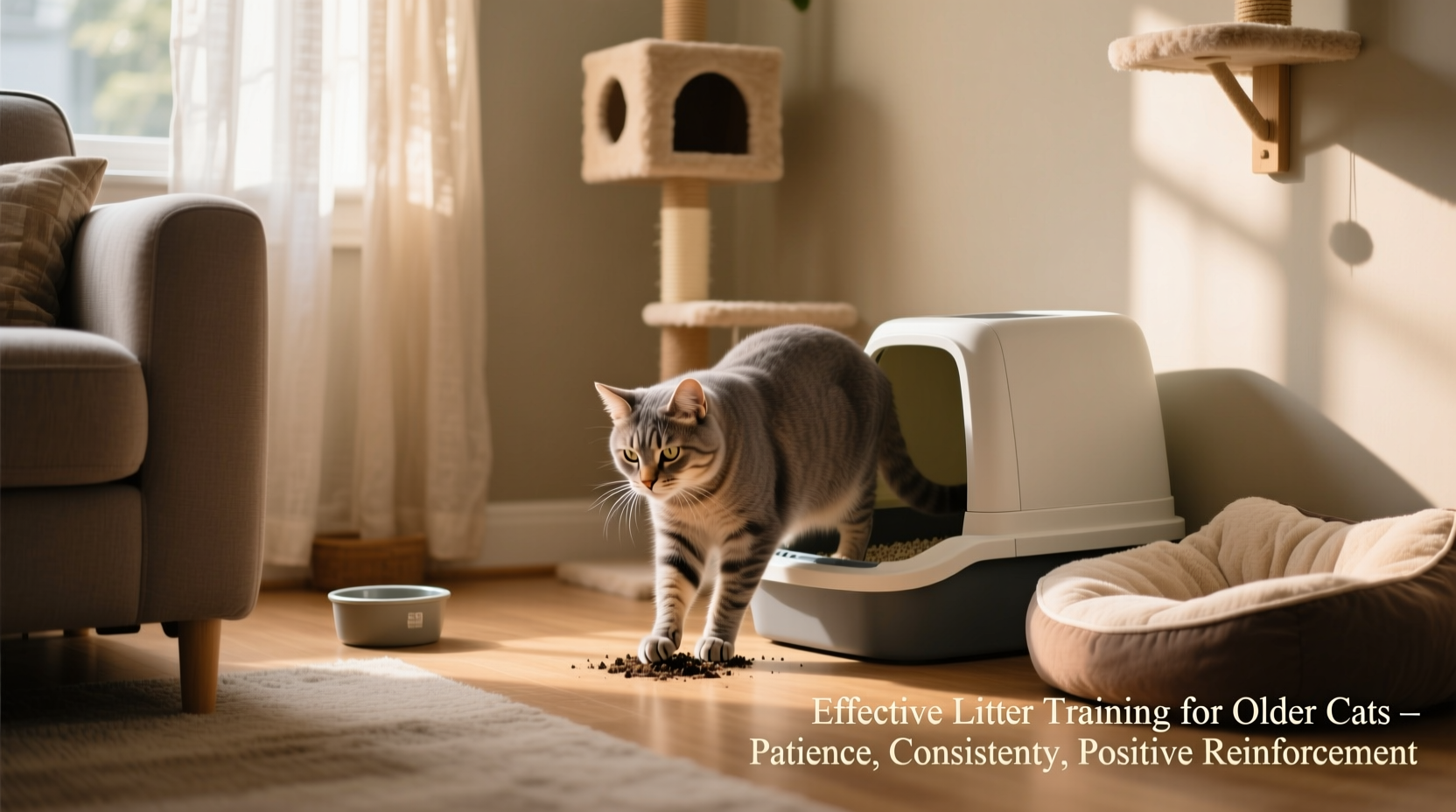
Before implementing training techniques, it’s essential to identify potential causes behind a cat’s avoidance of the litter box. In older cats, behavioral issues are often rooted in physical discomfort, environmental stress, or past trauma.
- Medical conditions: Arthritis, urinary tract infections, kidney disease, or cognitive decline can make accessing or using a litter box painful or confusing.
- Litter box aversion: Strong scents, covered boxes, or unsuitable litter textures may deter use, especially in cats with sensitive paws or respiratory systems.
- Stress or change: Relocation, new pets, or household disruptions can trigger regression or anxiety-driven elimination.
- Lack of prior exposure: Stray or feral cats may have never encountered a litter box and need full behavioral shaping.
Always consult a veterinarian first. A simple urine test or physical exam can rule out medical causes, which must be addressed before behavioral training begins.
“Older cats aren’t resistant to training—they’re responding to something we haven’t yet understood. Eliminate medical causes first, then adjust the environment to meet their needs.” — Dr. Lena Torres, Feline Behavior Specialist
Step-by-Step Guide to Litter Training an Older Cat
Training an adult or senior cat requires structure and observation. Follow this timeline to build positive associations with the litter box:
- Day 1–3: Confine and Observe
Restrict the cat to one quiet room containing food, water, bedding, and a litter box. Watch elimination patterns closely. Note when and where accidents occur. - Day 4–7: Reinforce Correct Use
Place the cat in the litter box after meals, naps, or signs of restlessness. If they eliminate inside, quietly praise or offer a treat. Never punish accidents. - Week 2: Expand Territory Gradually
Allow access to another room, placing a second litter box nearby. Maintain the original box. Monitor for consistent use. - Week 3–4: Refine Placement and Type
Adjust box location, style, or litter based on preferences. Remove secondary boxes only after consistent success over five days. - Ongoing: Monitor and Adapt
Continue observing habits. Sudden changes may signal health or stress issues needing attention.
Choosing the Right Litter Box and Litter
A mismatch between the cat’s needs and the litter setup is a common reason for failure. Older cats benefit from accommodations that reduce physical strain and sensory discomfort.
| Feature | Recommended for Older Cats | Avoid |
|---|---|---|
| Box Height | Low-entry or modified sides for easy access | High-walled or covered boxes |
| Litter Type | Fine-grained, unscented clumping clay or paper-based | Scented, crystal, or coarse litters |
| Number of Boxes | One per floor + one extra | Single box in basement or noisy area |
| Location | Quiet, accessible, away from appliances | Near loud washers or high-traffic hallways |
Some cats prefer open boxes for visibility, while others favor privacy. Offer two styles temporarily to observe preference. Scoop daily and change litter completely every 7–10 days to maintain cleanliness without overwhelming scent.
Real-Life Example: Re-training Bella, a 10-Year-Old Rescue
Bella arrived at a foster home after living outdoors for years. She had no concept of a litter box and consistently eliminated behind the couch. The caregiver began by confining her to a bathroom with a shallow tray of soft, sand-like litter. Within two days, Bella sniffed the litter after eating. The caregiver gently placed her in the box each time she circled or sniffed the floor. On day five, Bella used the box unassisted. Over the next three weeks, she gained confidence and transitioned to a standard box. By week six, she used two boxes on different floors reliably.
The turning point was consistency and confinement—not punishment, but redirection. Her progress shows that even deeply ingrained outdoor habits can shift with structured support.
Essential Checklist for Success
Use this checklist to ensure all critical elements are in place before and during training:
- ✅ Rule out medical issues with a vet visit
- ✅ Start with a small, confined space
- ✅ Use a low-entry litter box with soft, unscented litter
- ✅ Place the box away from food and noisy areas
- ✅ Clean accidents with enzyme-based odor remover
- ✅ Scoop the box at least once daily
- ✅ Add litter boxes gradually as territory expands
- ✅ Reward correct use with treats or calm praise
- ✅ Avoid yelling, rubbing the cat’s nose in waste, or closing off access
- ✅ Monitor for signs of stress or relapse
Frequently Asked Questions
Can a 12-year-old cat learn to use a litter box for the first time?
Yes. Age does not prevent learning in cats. While it may take longer than with a kitten, motivation, consistency, and a stress-free environment enable cats of any age to adapt. Success depends more on technique than age.
My older cat used the box for years but suddenly stopped. What should I do?
First, schedule a veterinary exam. Sudden changes often indicate pain (e.g., arthritis making box entry difficult) or urinary issues. If medical causes are ruled out, assess recent environmental changes—new pets, cleaning products, or box relocation—and revert to basic training steps in a confined space.
How long does litter training an older cat usually take?
Most cats show improvement within 7–14 days with consistent management. Full reliability may take 4–6 weeks. Patience is crucial; setbacks are normal. Continuous accidents beyond six weeks warrant re-evaluation of medical, environmental, and behavioral factors.
Conclusion: Every Cat Deserves a Second Chance
Litter training an older cat isn’t about overcoming stubbornness—it’s about empathy, observation, and persistence. When we adjust our expectations and environments to meet a cat’s physical and emotional needs, remarkable progress is possible at any stage of life. There is no age limit on learning, and no cat is beyond help.
💬 Have you successfully litter trained an older cat? Share your story in the comments—your experience could inspire someone else not to give up.








