
When a feral cat finds its way into your home—whether through an open door, garage, or broken window—the situation can quickly become stressful. Unlike domesticated cats, feral cats are not socialized to humans and may react with fear, aggression, or extreme withdrawal. Attempting to catch one without a plan can result in injury to both the animal and yourself. However, with patience, proper tools, and a calm approach, it is possible to safely capture and relocate the cat. This guide outlines proven, humane methods to help you navigate this delicate process.
Understanding Feral Cats: Behavior and Risks
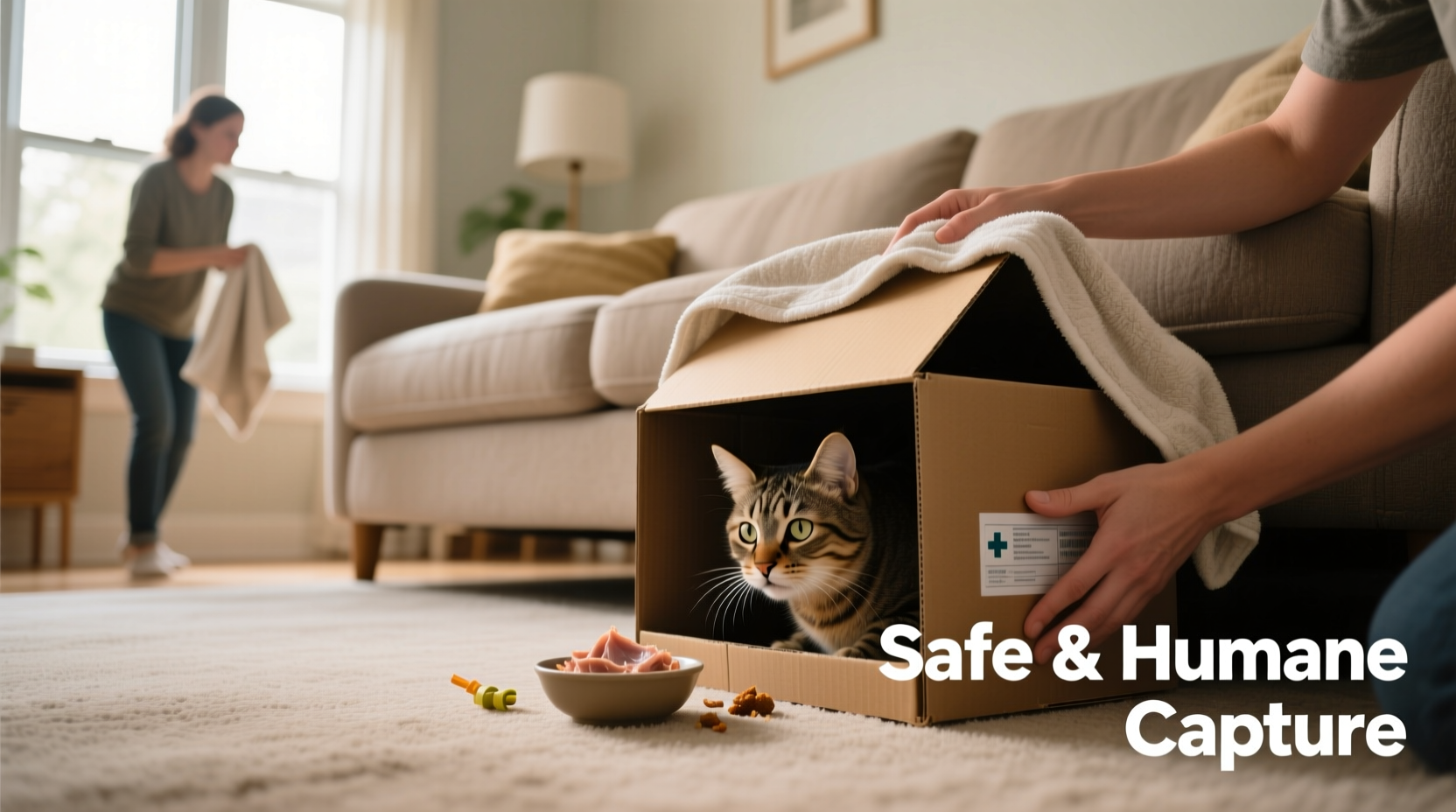
Feral cats are wild animals by behavior, even if they were once born to domesticated parents. They avoid human contact and rely on instinct when threatened. Inside a confined space like a home, their natural response is to hide, freeze, or flee. Sudden movements, loud noises, or direct pursuit will escalate their fear and make capture more difficult.
It's important to recognize that feral cats may carry diseases such as rabies, feline leukemia, or upper respiratory infections. While most are not aggressive unless cornered, bites and scratches are real risks during handling. For these reasons, any interaction should prioritize containment over confrontation and always involve protective gear.
“Feral cats aren’t ‘angry’—they’re terrified. Success comes from reducing their stress, not overpowering them.” — Dr. Lena Reyes, Wildlife Veterinarian and Urban Cat Specialist
Step-by-Step Guide to Safely Catching a Feral Cat Indoors
Catching a feral cat inside your home requires preparation, timing, and strategy. Follow this structured timeline to increase your chances of a safe outcome.
- Secure the Environment: Close off rooms the cat hasn’t entered to limit its movement. Keep doors to the outside shut. Turn off ceiling fans, close blinds, and remove small objects the cat could knock over or hide under.
- Identify Hiding Spots: Common areas include closets, under beds, behind appliances, or inside laundry baskets. Use a flashlight at night when the cat is more likely to move.
- Set Up a Quiet Zone: Choose one room (preferably small and quiet) to lure the cat into. Remove furniture clutter and leave only a blanket or towel for comfort.
- Use Food as Bait: Place strong-smelling food—such as canned tuna, sardines, or wet cat food—at the center of the target room. Do this several hours before attempting capture to build trust with the scent.
- Wait Patiently: Allow the cat to eat undisturbed. Monitor from a distance using a crack in the door. Never rush this stage; it may take hours or even a full day.
- Close the Door Silently: Once the cat is eating, gently close the door to trap it in the room. Confirm there are no escape routes (vents, gaps, etc.).
- Prepare Capture Tools: Have a heavy-duty carrier, thick gloves, a large towel or blanket, and possibly a humane trap ready.
- Approach Slowly and Calmly: Avoid eye contact, speak softly, and move slowly. Crouch low to appear less threatening.
- Cover and Contain: If the cat allows, drape a towel over its body to reduce panic and prevent scratching. Gently guide it into a carrier. If it resists, use a humane trap baited with food inside the room and wait.
- Transport Safely: Once secured, cover the carrier with a cloth to keep the cat calm. Contact local animal control or a TNR (Trap-Neuter-Return) organization for next steps.
Essential Tools and Supplies Checklist
Being prepared makes all the difference. Here’s what you should have on hand before beginning the capture process.
- Heavy-duty cat carrier with secure latches
- Thick work gloves (leather preferred)
- Large towel or fleece blanket
- Strong-smelling cat food (tuna, sardines, pâté)
- Humane live trap (if available)
- Flashlight
- Plastic sheeting or drop cloth (for easy cleanup)
- Face mask and safety goggles (optional but recommended)
- Phone number of local animal rescue or TNR program
Do’s and Don’ts: Best Practices Table
| Do’s | Don’ts |
|---|---|
| Work quietly and move slowly | Yell, clap, or make sudden noises |
| Use food to build familiarity | Attempt to pet or touch the cat early on |
| Wear protective clothing | Handle the cat barehanded |
| Allow the cat time to adjust | Rush the process or force interaction |
| Contact animal welfare experts | Release the cat back outdoors without assessment |
Real Example: A Successful Indoor Capture in Suburban Chicago
In winter 2023, a homeowner in Evanston, Illinois, discovered a young feral cat had slipped into her basement through a cracked foundation vent. The cat hid behind the furnace for two days, refusing to come out despite food offerings. Instead of forcing entry, she closed the basement door and set up a humane trap near the water heater, baiting it with warmed chicken broth and shredded chicken.
She monitored the area via a baby monitor placed nearby. On the third evening, the cat entered the trap while she waited outside the door. She immediately covered the trap with a blanket, called a local TNR group, and within hours, the cat was transported to a vet clinic. It was later neutered, vaccinated, and released back to its original colony—unharmed and with reduced roaming instincts.
This case highlights the value of patience, proper equipment, and collaboration with experienced organizations.
Frequently Asked Questions
Can I adopt a feral cat I caught indoors?
While some young feral kittens can be socialized with intensive effort, adult feral cats rarely adapt to indoor life. Most experts recommend returning them to managed outdoor colonies after medical care. Adoption is not advised unless the cat shows clear signs of prior domestication.
What if the cat bites me during capture?
Seek medical attention immediately. Even minor bites can lead to infection or zoonotic disease transmission. Report the incident to local health authorities and animal control. Do not attempt further handling without professional assistance.
Is it legal to trap a feral cat in my home?
In most U.S. jurisdictions, it is legal to humanely trap a feral cat on your own property, especially if it’s considered a trespassing animal. However, releasing it elsewhere may violate laws against animal abandonment. Always consult local ordinances and involve animal services when possible.
Final Steps After Capture
Once the cat is secured, do not delay in contacting a local animal rescue, humane society, or TNR program. These organizations are equipped to assess the cat’s health, administer vaccines, and determine whether it can be returned to a colony or requires shelter care.
If you're in a rural or underserved area, call veterinary clinics directly—they often partner with mobile spay/neuter programs. Never release a feral cat without ensuring it has been evaluated for disease and, ideally, sterilized. Unaltered feral cats contribute to overpopulation and ongoing nuisance issues.
Tip: Keep the carrier covered and in a quiet, warm place until transfer. Stress can cause hypothermia or shock in frightened cats.Conclusion: Act with Compassion and Confidence
Catching a feral cat inside your home doesn’t have to end in chaos. With careful planning, respect for the animal’s instincts, and the right tools, you can resolve the situation humanely and safely. Remember, the goal isn’t just removal—it’s responsible stewardship. Every feral cat you help through proper channels contributes to healthier communities and fewer stray litters down the line.
💬 Have experience with feral cat rescue? Share your story or advice in the comments to help others facing the same challenge.








