
Introducing a new dog bowl may seem like a minor change, but for many dogs, even small shifts in their environment can trigger hesitation or resistance. Whether you're upgrading from plastic to stainless steel, switching to an elevated feeder, or replacing a worn-out bowl, the transition needs to be handled with care. A poorly introduced bowl can lead to skipped meals, stress, or even behavioral issues. The key lies in patience, familiarity, and positive reinforcement. With the right approach, your dog can adapt seamlessly—and even come to prefer their new feeding setup.
Why Dogs Resist New Bowls
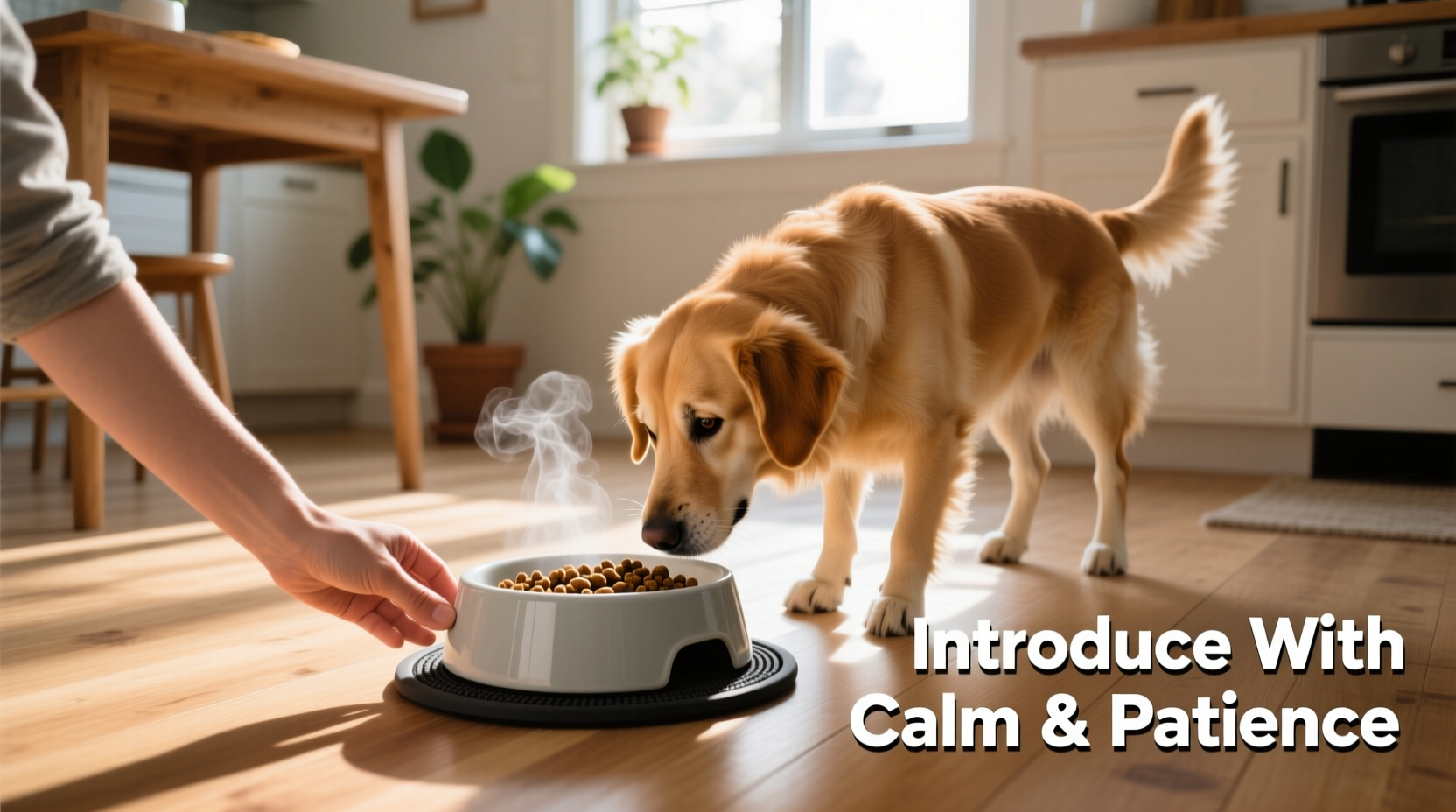
Dogs are creatures of habit. Their feeding routine—including the look, smell, texture, and location of their bowl—is deeply ingrained. A sudden replacement disrupts this pattern. Some dogs react to changes in material: plastic bowls may have a different scent than ceramic or metal, and certain surfaces create unfamiliar noise when kibble hits them. Others are sensitive to height or depth. For example, deep bowls can make some breeds uncomfortable if their whiskers touch the sides—a condition known as \"whisker fatigue.\"
Additionally, older dogs or those with past trauma may be more cautious about new objects near their food zone. Anxiety around mealtimes can manifest as sniffing without eating, walking away, or even guarding behavior. Understanding these underlying causes is the first step toward a successful transition.
“Dogs rely heavily on routine, especially around basic needs like eating. Sudden changes can feel threatening, even if they’re beneficial.” — Dr. Lena Ruiz, Veterinary Behaviorist
Step-by-Step Guide to Introducing a New Dog Bowl
A gradual, structured approach minimizes stress and builds confidence. Follow this five-phase timeline to ensure your dog accepts the new bowl naturally.
- Phase 1: Coexistence (Days 1–2)
Place the new bowl beside the old one during mealtimes. Fill only the familiar bowl. Let your dog investigate the new one at their own pace. No pressure, no force. - Phase 2: Partial Transition (Days 3–4)
Divide the meal in half. Serve one portion in the old bowl, one in the new. This creates a direct association between the new object and positive outcomes (food). - Phase 3: Primary Use (Days 5–6)
Use only the new bowl for meals, but keep the old one nearby—empty. This provides visual continuity while reinforcing the new vessel as the main feeding tool. - Phase 4: Removal & Reinforcement (Day 7)
Retire the old bowl out of sight. Praise your dog enthusiastically when they eat from the new one. Consider adding a high-value treat on top to boost positivity. - Phase 5: Consistency Check (Days 8–10)
Monitor for any regression. If your dog hesitates, briefly reintroduce the old bowl and repeat Phase 2. Most dogs adapt fully within ten days.
Choosing the Right Bowl for a Smooth Transition
The type of bowl matters as much as the introduction method. A mismatch between breed, size, and bowl design can cause discomfort, leading to rejection. Consider your dog’s physical traits and eating habits when selecting a replacement.
| Breed/Size | Recommended Bowl Type | Why It Works |
|---|---|---|
| Small breeds (e.g., Chihuahua, Pomeranian) | Shallow ceramic or stainless steel | Prevents whisker stress; stable base prevents tipping |
| Large/deep-chested dogs (e.g., Great Dane, German Shepherd) | Elevated stainless steel feeder | Reduces strain on neck and digestion; improves posture |
| Dogs with sensitive skin or allergies | Stainless steel or glass | Non-porous, easy to sanitize, resists bacterial buildup |
| Dogs who eat too fast | Slow-feed puzzle bowl | Encourages mindful eating; reduces bloating risk |
Real Example: Helping Max Accept His Elevated Feeder
Max, a 4-year-old Labrador Retriever, had eaten from a low plastic bowl his entire life. When his owner, Sarah, introduced an elevated stainless steel feeder to support his developing joint stiffness, Max refused to approach it. He’d circle the area, sniff, then walk away.
Sarah applied the step-by-step method. First, she placed the elevated feeder next to Max’s usual bowl for two days. On day three, she put half his kibble in each. She noticed he ate from the old bowl first but eventually approached the new one. By day six, he used only the elevated bowl—but only after she placed a piece of boiled chicken on top. Within a week, Max was eating confidently from the new feeder without incentives. His vet later noted improved posture and reduced gas, confirming the health benefits of the change.
Common Mistakes to Avoid
- Swapping bowls overnight: Removing the old bowl abruptly increases anxiety and may cause meal refusal.
- Using scented cleaners: Residue from strong detergents can repel dogs. Wash new bowls with mild soap and rinse thoroughly.
- Placing the bowl in a high-traffic area: Noise and movement can distract nervous eaters. Choose a quiet, consistent spot.
- Ignoring material sensitivities: Some dogs dislike the sound of metal or the cold feel of ceramic. Test materials gradually.
Checklist: Successful Bowl Introduction in 10 Steps
- Choose a bowl suited to your dog’s breed and needs.
- Clean the new bowl with mild, unscented soap.
- Place the new bowl beside the old one for observation.
- Maintain the same feeding schedule and location. <5>Offer treats near the new bowl to build positive associations.
- Split the next meal between both bowls.
- Gradually increase the portion in the new bowl over 2–3 days.
- Switch entirely to the new bowl once acceptance is consistent.
- Remove the old bowl but monitor for hesitation.
- Reward every successful meal with praise or a small treat.
Frequently Asked Questions
How long does it usually take for a dog to accept a new bowl?
Most dogs adapt within 5 to 10 days using a gradual method. Puppies and adaptable breeds often adjust faster, while seniors or anxious dogs may need up to two weeks.
Can I use food motivation to speed up the process?
Yes—placing a favorite treat or a smear of peanut butter (xylitol-free) inside the new bowl can create instant appeal. However, avoid over-reliance on treats; phase them out once acceptance is established.
What if my dog eats from the floor instead of the new bowl?
This is common. It indicates discomfort with the bowl’s shape, depth, or material. Try a shallower dish or place kibble just inside the rim, gradually moving it toward the center as your dog gains confidence.
Final Thoughts: Patience Leads to Progress
Changing a dog bowl isn’t just about swapping one object for another—it’s about respecting your pet’s emotional rhythm. A calm, thoughtful introduction fosters trust and reinforces positive routines. When done right, the new bowl becomes more than a container; it becomes part of a healthier, more comfortable feeding experience. Whether you’re addressing hygiene concerns, supporting mobility, or simply updating worn gear, the effort you invest in the transition pays off in your dog’s well-being.
💬 Have a success story with introducing a new dog bowl? Share your experience in the comments—your tips might help another pet parent make the switch with confidence!








