
On large-scale farms, working dogs play a vital role in livestock management, herding, and property security. Their physical demands are high, and their nutritional needs must be met consistently to maintain health, stamina, and longevity. Yet, many farm operators struggle with inefficient feeding systems—leading to wasted food, inconsistent intake, and preventable health issues. This guide outlines proven, scalable strategies that balance cost-efficiency, animal welfare, and operational practicality.
Assessing Nutritional Needs by Role and Environment
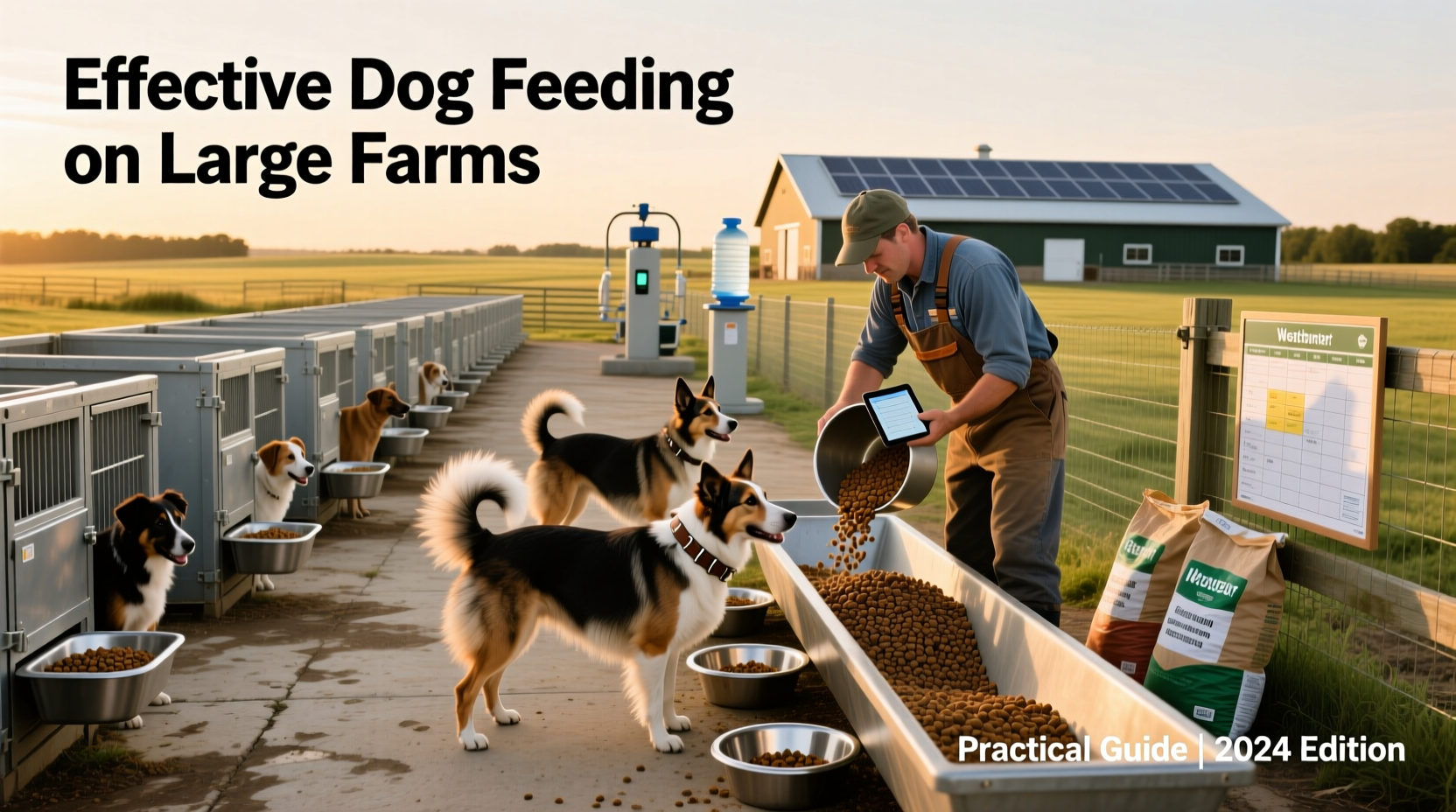
Not all farm dogs have the same energy requirements. A border collie working 8 hours daily herding sheep in rugged terrain has vastly different caloric and nutrient needs compared to a guardian dog patrolling a secure perimeter. Underfeeding leads to fatigue and poor performance; overfeeding causes obesity and joint stress.
Key factors influencing dietary needs include:
- Breed and size: Larger breeds require more calories but may need joint-support nutrients like glucosamine.
- Workload: High-activity dogs may need 30–50% more calories than sedentary ones.
- Climate: Cold weather increases metabolic demand; hot climates increase water needs and may reduce appetite.
- Age and health: Puppies, seniors, or dogs with medical conditions require tailored diets.
“Farm dogs aren’t pets—they’re working animals. Their diet should reflect the intensity of their job.” — Dr. Linda Reyes, Veterinary Nutritionist, University of SaskatchewanTip: Conduct seasonal reassessments of each dog’s body condition score (BCS) using a 9-point scale. Adjust rations accordingly.
Designing an Efficient Feeding System
Large farms often manage 10–50 working dogs. Hand-feeding each one individually is time-consuming and inconsistent. A structured system improves accuracy, reduces labor, and ensures accountability.
Step-by-Step Guide to Setting Up a Centralized Feeding Station
- Map feeding zones: Group dogs by work area or kennel location to minimize travel time.
- Install durable, elevated feeders: Prevents contamination from mud, pests, and urine.
- Use portion-control containers: Pre-measure daily rations during weekly prep to save time.
- Schedule consistent feeding times: Twice daily, ideally before and after peak activity periods.
- Automate where possible: Timed dispensers can release dry kibble for midday meals if staff aren’t available.
For farms with rotating shifts or remote pastures, consider mobile feeding carts equipped with labeled bins for each dog or group. This allows handlers to deliver precise rations without returning to a central kitchen.
Choosing the Right Feed: Balancing Cost and Quality
The market offers countless dog foods, but not all are suitable for high-performance working animals. Relying solely on price per bag can lead to hidden costs—lower digestibility means more waste, more frequent vet visits, and shorter working lives.
| Feed Type | Pros | Cons | Best For |
|---|---|---|---|
| High-Quality Dry Kibble | Long shelf life, balanced nutrition, easy to store | Lower moisture; may require added water | Daily base ration for most working dogs |
| Wet or Canned Food | High palatability, good hydration | Expensive, spoils quickly, bulky to transport | Supplement for underweight or sick dogs |
| Raw or Fresh Diets | Potential for improved coat and energy | Risk of bacterial contamination, requires refrigeration | Small elite teams with dedicated handlers |
| Homemade Mixes | Cost-effective, customizable | Risk of nutritional imbalance without expert guidance | Farms with access to surplus meat or dairy |
When evaluating commercial feeds, look for AAFCO certification and protein content above 28%. Fat levels between 15–20% support sustained energy. Avoid fillers like corn meal and by-product meals as primary ingredients.
Minimizing Waste and Maximizing Uptake
Food waste on farms can reach 20–30% due to spillage, spoilage, or refusal. This not only raises costs but attracts pests and creates hygiene hazards.
Checklist: Reducing Feed Waste on Your Farm
- Use non-tip, weight-stabilized bowls or troughs.
- Elevate feeders at least 6 inches off the ground.
- Remove uneaten food after 30 minutes to prevent scavenging.
- Cover outdoor stations to protect from rain and sun.
- Monitor individual intake—sudden drops may signal illness.
- Store bulk food in sealed, rodent-proof containers.
- Rotate stock using FIFO (first-in, first-out) method.
In humid regions, mold growth in kibble is a serious concern. Consider adding natural preservatives like mixed tocopherols or rotating smaller batches more frequently.
Tip: Add warm water or low-sodium broth to dry food to enhance smell and encourage eating, especially in older dogs or cold weather.Real-World Example: The Thompson Ranch Feeding Overhaul
The Thompson family operates a 2,000-acre cattle ranch in Montana with 18 working dogs. For years, they used generic kibble fed in open troughs. They noticed chronic digestive issues, inconsistent energy levels, and high turnover in dog lifespan—rarely exceeding 8 years.
In consultation with a veterinary nutritionist, they implemented changes:
- Switched to a high-protein, grain-free kibble formulated for working dogs.
- Introduced individual feeding stations with ID-tagged bowls.
- Began prepping weekly rations every Sunday morning.
- Added fish oil supplements for coat and joint health.
Within six months, stool quality improved, energy levels stabilized, and food costs dropped 17% due to reduced waste. Most notably, younger dogs began reaching full working maturity faster, and two previously lethargic dogs returned to active duty.
Water: The Overlooked Component of Canine Nutrition
No feeding strategy is complete without addressing hydration. Working dogs can lose liters of fluid through panting and exertion, especially in summer.
Ensure clean, fresh water is available at all times. On large properties, install multiple watering points along patrol routes. Use insulated tanks in winter to prevent freezing and shaded containers in summer to avoid algae growth.
Monitor water intake closely. A sudden increase may indicate kidney issues or diabetes; a decrease could signal illness or heat stress.
Frequently Asked Questions
Can I feed my farm dogs table scraps or leftover livestock feed?
Only if carefully controlled. Table scraps should never exceed 10% of the diet and must exclude toxic foods like onions, chocolate, or garlic. Livestock feed often contains medications or minerals harmful to dogs—never allow cross-feeding.
How do I transition dogs to a new food safely?
Mix the new food gradually over 7–10 days: start with 25% new and 75% old, increasing the proportion daily. Sudden changes can cause diarrhea or refusal.
Should I supplement my dogs’ diet?
Only if advised by a veterinarian. Common supplements like omega-3 fatty acids, probiotics, or joint support formulas can help, but unnecessary supplementation may cause imbalances.
Final Recommendations and Call to Action
Feeding dogs on large farms isn’t just about filling bowls—it’s about sustaining performance, preventing disease, and honoring the contribution these animals make to daily operations. By assessing individual needs, investing in efficient systems, choosing quality food, and monitoring outcomes, farmers can significantly improve both canine welfare and operational efficiency.
Start small: conduct a feed audit this week. Weigh current portions, check expiration dates, observe how much is left uneaten, and assess each dog’s body condition. Then implement one change—whether it’s switching feeders, adjusting rations, or scheduling consistent mealtimes.
🚀 Take action today: Download a printable feeding log template or share your own farm dog feeding tips in the comments below. Let’s build smarter, healthier systems together.








