In many communities, off-leash dogs are more than just a nuisance—they can pose real threats to public safety, wildlife, and other pets. While some areas permit leashing exceptions in designated dog parks, most public spaces require dogs to remain on a leash for the protection of all. When you encounter an unleashed dog in a restricted zone, knowing how to respond responsibly is essential. This guide outlines practical, lawful, and effective steps to report such incidents while promoting long-term community safety.
Understanding Leash Laws and Local Ordinances
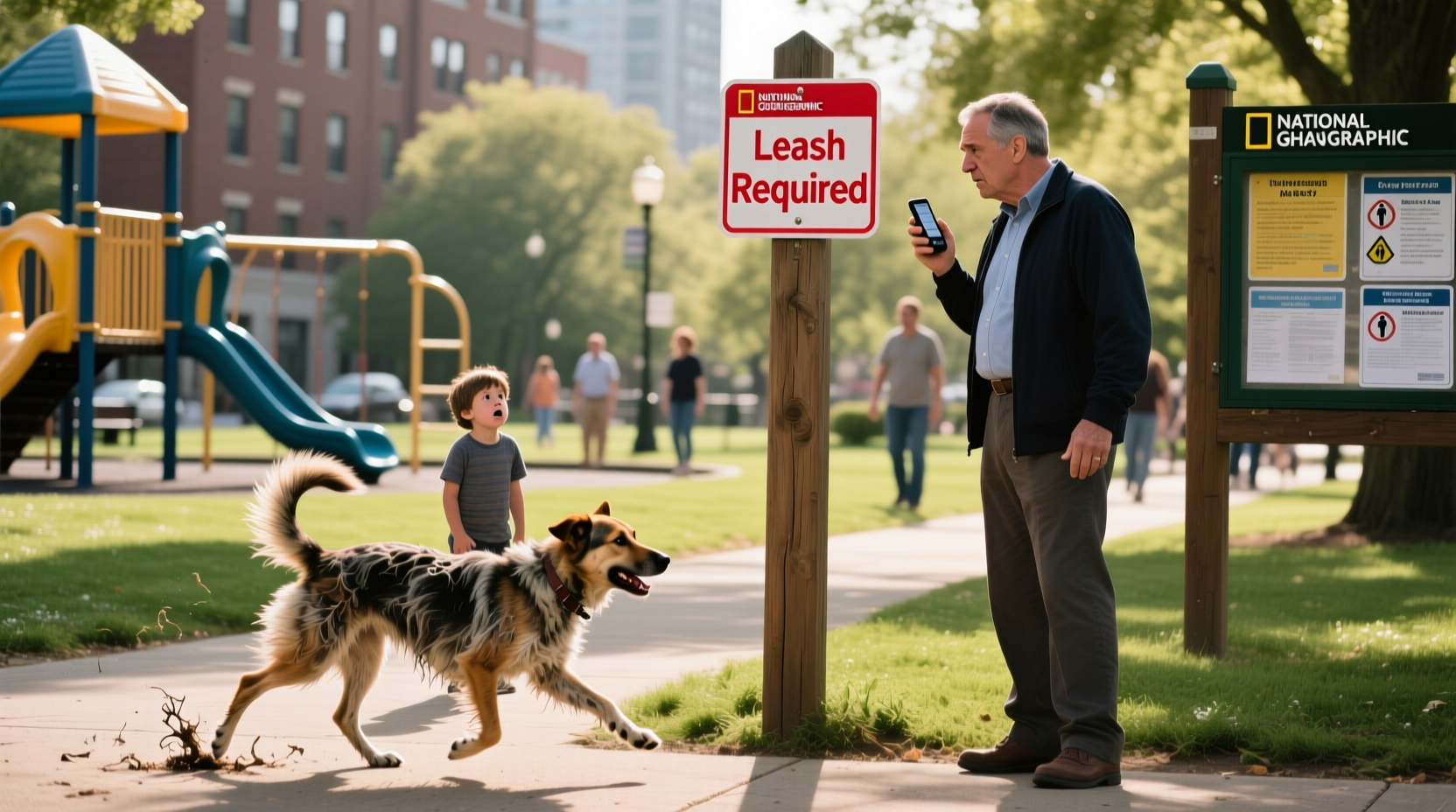
Leash laws vary significantly by city, county, and even neighborhood. In general, these regulations mandate that dogs be restrained on a leash—typically no longer than six feet—when in public spaces such as sidewalks, parks, trails, and shared recreational areas. The primary goals are to prevent bites, reduce animal control calls, protect wildlife, and ensure pedestrian comfort.
Before reporting an incident, verify your local ordinance. Most municipal websites host animal control or public safety sections detailing leash requirements, enforcement policies, and penalties. For example:
- New York City requires leashes at all times outside private property.
- Denver allows off-leash activity only in approved dog parks.
- Portland, OR enforces a strict 6-foot leash rule in all public spaces.
Familiarity with these rules strengthens your case when filing a report and prevents misunderstandings about permissible behavior.
Tip: Save your city’s animal control contact number in your phone for quick access during incidents.Step-by-Step Guide to Reporting an Off-Leash Dog
Reporting an unleashed dog should be done calmly, safely, and with accurate documentation. Follow this sequence to maximize effectiveness without escalating tension.
- Ensure Personal Safety First: Do not confront the owner if the dog appears aggressive or uncontrolled. Step back, create distance, and avoid direct eye contact with the animal.
- Observe and Document: Note the time, location, dog’s appearance (color, size, breed if identifiable), and any collar or tags. If safe, take photos or video from a distance.
- Engage Calmly (Optional): If the owner seems approachable, politely remind them of local leash laws. Use neutral language: “I think there’s a leash rule here—just wanted to mention it.”
- Contact Local Animal Control or Police: Call non-emergency services or use a city-specific app (e.g., NYC’s 311, LA’s MyLA311). Provide clear details without emotional language.
- Follow Up: Some jurisdictions allow tracking of service requests. If recurring issues occur in one area, compile multiple reports to demonstrate a pattern.
Anonymous reporting is typically permitted, but providing contact information may allow officials to follow up with questions.
Do’s and Don’ts When Addressing Off-Leash Dogs
| Do’s | Don’ts |
|---|---|
| Stay calm and respectful when speaking to owners | Yell, threaten, or physically intervene |
| Report repeated violations to highlight problem zones | Assume the dog is always aggressive—some are well-trained |
| Use official channels like animal control or city apps | Post identifying information online (privacy/legal risks) |
| Encourage community signage in high-violation areas | Attempt to restrain the dog yourself |
| Carry a noise deterrent (e.g., air horn) for emergencies | Allow children or small pets to approach an unleashed dog |
Real Example: How One Neighborhood Reduced Off-Leash Incidents
In Eugene, Oregon, residents of the Whilamut neighborhood began noticing frequent off-leash dogs in a shared greenbelt used by families and joggers. After two minor bite incidents involving children, a group organized a response strategy.
They first documented 17 separate sightings over three weeks, noting times and locations. Using the city’s online reporting portal, they submitted each incident with photos and timestamps. They also requested additional signage at park entrances reminding visitors of leash rules.
Within a month, animal control increased patrols and issued warnings. Over the next quarter, reported off-leash incidents dropped by 70%. The success was attributed to consistent, factual reporting rather than isolated complaints.
“Community vigilance combined with proper documentation gives animal control the tools they need to enforce rules fairly and effectively.” — Lt. Maria Chavez, Eugene Animal Services
How to Advocate for Safer Public Spaces
One-time reports help, but lasting change often requires broader advocacy. Consider these proactive measures:
- Petition for Designated Off-Leash Zones: Many owners violate leash laws because nearby dog parks are overcrowded or distant. Proposing new or expanded dog parks can reduce pressure on shared spaces.
- Partner with Local Organizations: Work with humane societies or neighborhood associations to distribute educational flyers about leash laws and responsible pet ownership.
- Request Increased Enforcement: Attend city council meetings or submit written testimony requesting more animal control presence in high-risk areas.
- Install Visibility Enhancements: Poor lighting or obscured signage can contribute to violations. Suggest improved lighting or bilingual signs in diverse communities.
Frequently Asked Questions
What if the dog seems dangerous or aggressive?
If a dog is growling, lunging, or chasing people, call 911 immediately. This constitutes an emergency. Clearly state the threat level and your location. Do not attempt to intervene physically.
Can I report a dog even if it’s friendly?
Yes. Even well-behaved dogs must follow leash laws. A friendly dog can still cause accidents (e.g., knocking over a child or senior) or trigger anxiety in other animals. Compliance protects everyone.
Will the owner face fines or penalties?
Potential consequences depend on local policy and prior violations. First-time offenders often receive warnings. Repeat offenders may face fines ranging from $50 to $500, or mandatory training classes. Severe cases involving bites can lead to impoundment or legal action.
Action Checklist: Responding to an Off-Leash Dog
Keep this checklist handy for quick reference when encountering an unleashed dog in a leash-required zone:
- ✅ Ensure your own safety and that of companions
- ✅ Observe the dog’s behavior and owner’s presence
- ✅ Record time, location, dog description, and photos if possible
- ✅ Politely inform the owner of the law (if comfortable)
- ✅ Report via official channel: phone, app, or website
- ✅ Follow up on repeat issues in the same area
- ✅ Support community education and infrastructure improvements
Conclusion: Building a Safer, More Responsible Community
Reporting an off-leash dog isn’t about confrontation—it’s about accountability and care for shared spaces. Every responsible report contributes to a culture where safety, respect, and coexistence are prioritized. Whether through a single call to animal control or organizing neighborhood awareness efforts, your actions help shape safer streets, parks, and pathways for everyone.
💬 Have a story about improving pet safety in your community? Share your experience below to inspire others and strengthen collective awareness.








