
Fleas are more than just a nuisance—they can cause severe discomfort, allergic reactions, and even transmit diseases to dogs. For pet owners, identifying what works best for fleas on dogs is critical to ensuring long-term protection and overall well-being. With so many products and methods available, from topical treatments to natural remedies, choosing the right solution requires understanding effectiveness, safety, and consistency. This guide breaks down the most reliable approaches, backed by veterinary expertise and real-world results.
Understanding the Flea Life Cycle
To effectively combat fleas, it’s essential to understand their biology. Fleas progress through four stages: egg, larva, pupa, and adult. The entire cycle can last from two weeks to several months, depending on environmental conditions like temperature and humidity. Adult fleas represent only about 5% of an infestation; the remaining 95% exist in immature forms—eggs, larvae, and pupae—hidden in carpets, bedding, and outdoor areas.
This means that treating your dog alone is not enough. A comprehensive approach must target both the pet and the environment. Without disrupting the life cycle at every stage, reinfestation is almost inevitable.
Tip: Vacuuming carpets, washing pet bedding weekly, and mowing lawns frequently can significantly reduce flea populations in your home and yard.Top-Performing Flea Treatments for Dogs
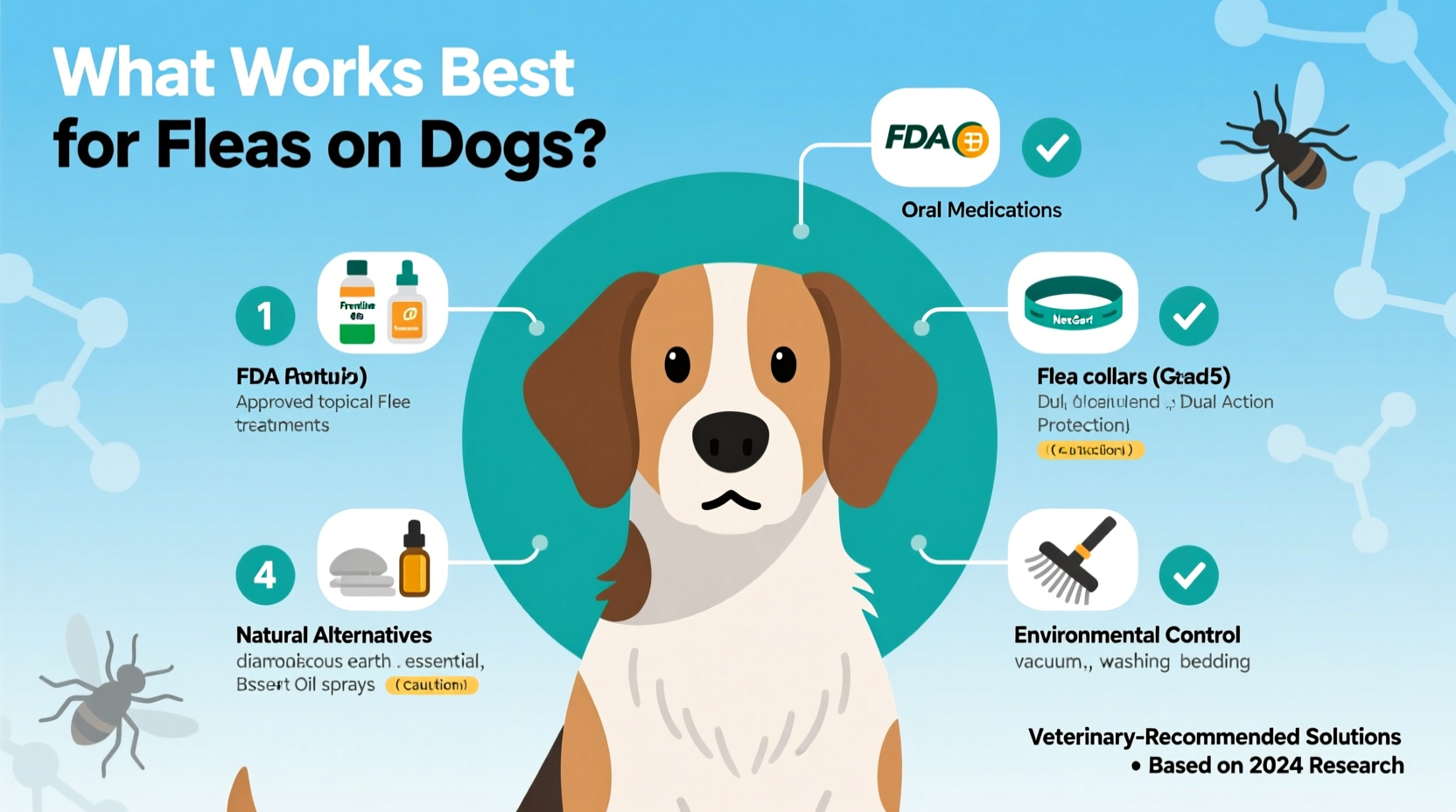
Veterinary science has developed highly effective products that prevent, kill, and repel fleas. These fall into several categories, each with distinct advantages.
1. Oral Medications
Oral flea treatments like nitenpyram (Capstar) and afoxolaner (NexGard) act quickly, often killing fleas within 30 minutes to 4 hours. They are ideal for immediate relief during active infestations. Monthly chewables such as Bravecto and Simparica offer longer protection, lasting up to 12 weeks in some cases.
2. Topical Spot-On Treatments
Applied monthly to the skin between the shoulder blades, products like Frontline Plus, Advantage II, and Revolution contain insecticides that spread across the skin and oil layer. These are effective against both fleas and ticks, with some also targeting mites and lice.
3. Flea Collars
Modern flea collars, such as Seresto, release low doses of active ingredients over time. They provide up to eight months of continuous protection and are especially useful for dogs that swim or get bathed frequently, which can reduce the efficacy of topical treatments.
4. Shampoos and Dips
Flea shampoos offer immediate but short-term relief. They’re best used in conjunction with longer-lasting preventatives. Avoid overuse, as frequent bathing can dry out your dog’s skin and disrupt its natural barrier.
“Oral and topical preventatives are the gold standard in flea control today. When used correctly, they are safe, highly effective, and far superior to outdated or unproven remedies.” — Dr. Laura Bennett, DVM, Veterinary Parasitology Specialist
Comparative Overview of Popular Flea Control Methods
| Method | Onset Time | Duration | Pros | Cons |
|---|---|---|---|---|
| Oral Medication (e.g., NexGard) | 30 min – 4 hrs | 1 month | Fast action, palatable, no residue | Requires swallowing, may cause mild GI upset |
| Topical (e.g., Frontline Plus) | 12–24 hrs | 1 month | Broad-spectrum, easy application | Oily residue, avoid water exposure post-application |
| Flea Collar (e.g., Seresto) | 24–48 hrs | 8 months | Long-lasting, water-resistant | Potential skin irritation at neck, not suitable for all breeds |
| Flea Shampoo | Immediate | Short-term | Instant relief, soothing for irritated skin | Does not prevent reinfestation |
| Natural Remedies (e.g., diatomaceous earth) | Variable | Limited | Low toxicity, accessible | Inconsistent results, messy, not vet-recommended as primary control |
Step-by-Step Flea Elimination Plan
Successfully eliminating fleas requires a coordinated strategy. Follow this timeline for optimal results:
- Day 1: Administer a fast-acting oral treatment (like Capstar) to kill adult fleas on your dog.
- Day 2: Apply a vet-approved topical or start a monthly chewable preventative.
- Days 1–7: Wash all bedding in hot water. Vacuum carpets, rugs, and furniture daily, disposing of the vacuum bag or contents immediately.
- Week 2: Treat your home environment with a vet-recommended indoor flea spray containing an insect growth regulator (IGR) to stop eggs and larvae from maturing.
- Week 3: Inspect your dog closely. If live fleas remain, consult your veterinarian—resistance or misapplication may be factors.
- Ongoing: Maintain monthly preventative treatment year-round, even in colder months, as indoor heating allows fleas to thrive.
Real-World Case: Resolving a Persistent Infestation
A family in Ohio adopted a rescue dog during summer. Within days, their golden retriever was scratching incessantly, and tiny black specks appeared in his fur. Despite using an over-the-counter flea shampoo, the problem worsened. Their veterinarian diagnosed flea allergy dermatitis—a hypersensitivity reaction to flea saliva.
The vet prescribed a three-pronged approach: NexGard chews, a home flea spray with methoprene, and strict laundering of all fabrics. The dog’s symptoms improved within 48 hours. After one month of consistent treatment, no fleas were detected. The key to success? Adherence to the full protocol and treating the environment alongside the pet.
Common Mistakes That Undermine Flea Control
- Skipping doses: Even one missed monthly treatment can allow fleas to reestablish.
- Using expired or improper products: Some human or cat products are dangerous for dogs.
- Ignoring the environment: Fleas breed in homes, not just on pets.
- Relying solely on natural methods: While options like apple cider vinegar sprays are popular, they lack scientific backing and do not break the flea life cycle.
Frequently Asked Questions
Can fleas live on humans?
Fleas prefer animal hosts and do not typically live on humans. However, they may bite people, causing red, itchy bumps—usually around ankles or lower legs. These bites are usually temporary unless the home is heavily infested.
Are natural flea remedies effective?
Most natural remedies, such as essential oils, garlic, or herbal collars, have little to no scientific support. Some, like tea tree oil, can be toxic to dogs. Diatomaceous earth may help in dry environments but must be food-grade and applied carefully to avoid respiratory irritation.
How do I know if the treatment is working?
You should notice reduced scratching within 24–48 hours of treatment. Use a flea comb regularly; if you see fewer or no fleas after a week, the product is likely effective. Continued vigilance is key—even one surviving flea can restart the cycle.
Final Checklist for Flea Prevention Success
- Choose a vet-recommended preventative (oral, topical, or collar).
- Apply treatments consistently every month, year-round.
- Vacuum and clean your home weekly during flea season.
- Wash your dog’s bedding in hot water every 7–10 days.
- Treat all pets in the household simultaneously.
- Schedule regular vet checkups to discuss parasite control.
Conclusion: Protect Your Dog with Proven Solutions
When it comes to what works best for fleas on dogs, science and veterinary experience point clearly toward modern, prescription-grade preventatives combined with environmental management. While natural and DIY methods may seem appealing, they often fall short when facing resilient flea populations. Consistency, correct application, and a holistic approach are the true keys to success.
💬 Ready to keep your dog flea-free? Start today by consulting your veterinarian to choose the safest, most effective treatment plan for your pet’s lifestyle.








