Cat urine odor is more than just unpleasant—it’s persistent, pervasive, and chemically complex. Unlike many household odors, it doesn’t fade with time or disappear after a quick clean. The ammonia and uric acid in cat urine crystallize when dry, releasing pungent fumes whenever humidity rises. Left untreated, the smell can linger for months or even years, discouraging guests and affecting indoor air quality. Fortunately, science-backed methods exist to neutralize, not just mask, the odor at its source. Understanding how cat urine behaves and which tools work best makes all the difference between temporary relief and permanent elimination.
Why Cat Urine Smell Is So Difficult to Remove
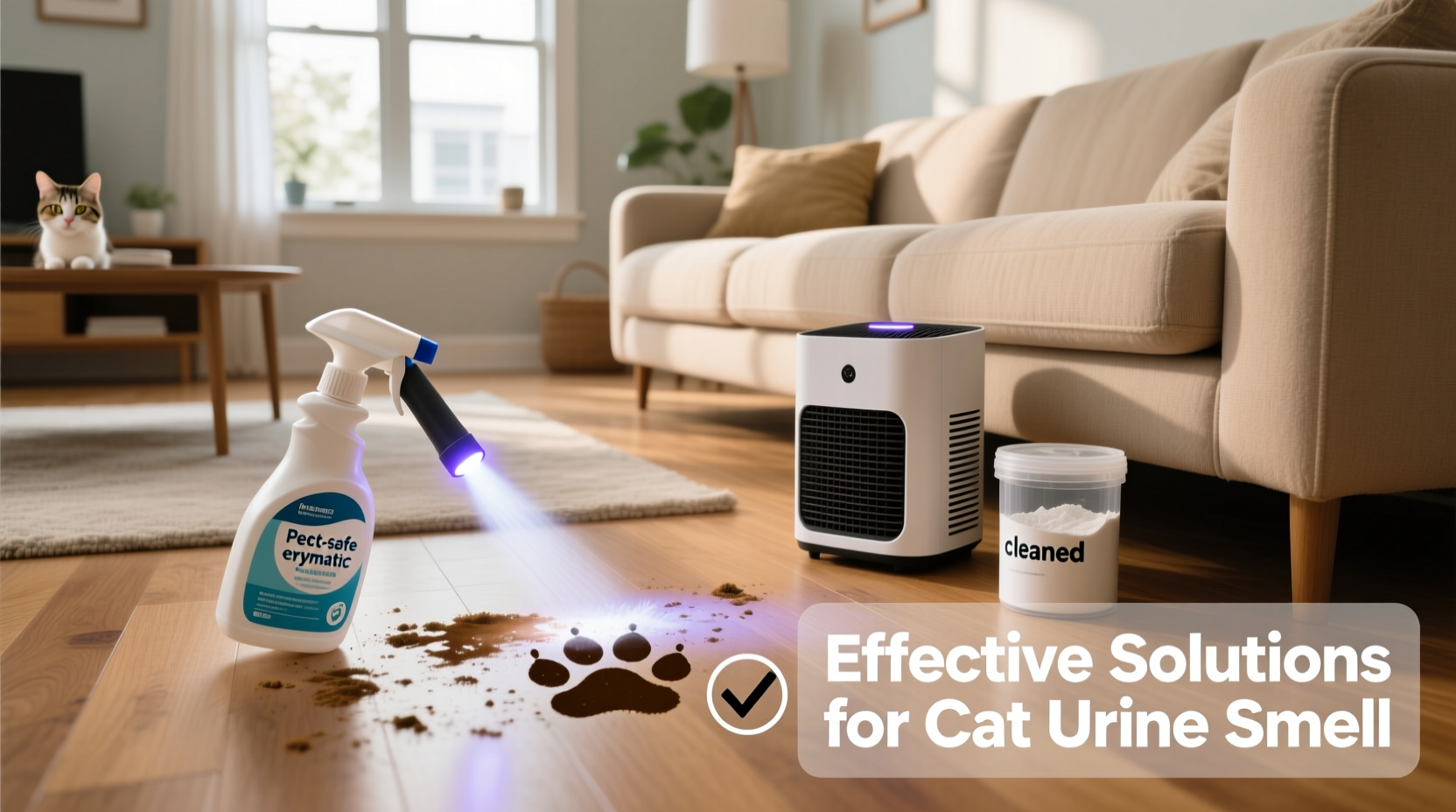
Cat urine contains urea, creatinine, and uric acid, but the real culprit behind the lingering stench is uric acid crystals. These microscopic formations embed deep into porous surfaces like carpet padding, wood, and drywall. Standard cleaning products may remove surface stains and temporarily suppress odor, but they often fail to break down the crystal structure. When moisture returns—whether from humidity, steam cleaning, or accidental spills—the crystals reactivate and release that unmistakable ammonia-like odor all over again.
Additionally, cats are territorial animals. If they detect their own scent, even faintly, they may re-mark the same spot. This creates a frustrating cycle: clean superficially → smell returns → cat urinates again. Breaking this loop requires complete odor eradication, not cosmetic cleanup.
“Enzymatic cleaners are the gold standard because they digest the organic compounds causing the smell. No other method addresses the root chemistry as effectively.” — Dr. Laura Thompson, DVM, Feline Behavior Consultant
Step-by-Step Guide to Eliminating Cat Urine Odor
Success depends on thoroughness and timing. The sooner you act after an incident, the better your chances of full removal. Follow this detailed process to treat affected areas correctly:
- Blot Immediately: Use paper towels or a clean cloth to absorb as much liquid as possible. Press down firmly; do not rub, which spreads the urine deeper into fibers.
- Test Cleaning Solution: Always test any cleaner on a hidden area first to avoid discoloration or damage, especially on carpets or upholstery.
- Apply Enzymatic Cleaner Generously: Saturate the area completely. Most people under-apply. The solution must penetrate through the carpet pile, backing, and padding to reach the source.
- Cover and Wait: Place plastic wrap over the wet area to prevent evaporation. Let it sit for 6–12 hours so enzymes have time to break down the uric acid.
- Allow to Air Dry: Do not use heat (like a hairdryer), which can set residues. Ventilate the room with fans or open windows.
- Repeat if Necessary: For old or repeated stains, a second application may be required.
Top Solutions Compared: What Works and What Doesn’t
Not all cleaning methods are equally effective. Some popular home remedies can actually worsen the problem. Below is a comparison of common approaches:
| Solution | Effectiveness | Pros | Cons |
|---|---|---|---|
| Enzymatic Cleaners | ★★★★★ | Breaks down odor-causing compounds biologically; safe for pets | Requires longer dwell time; higher cost |
| Vinegar & Water | ★★☆☆☆ | Inexpensive; deodorizes surface-level smells | Doesn't destroy uric acid; smell lingers long-term |
| Baking Soda | ★★★☆☆ | Absorbs moisture and mild odors; non-toxic | Only surface-level effect; must be paired with other treatments |
| Steam Cleaning | ★☆☆☆☆ | Cleans surface grime | Heat reactivates crystals; spreads contamination if not pre-treated |
| Hydrogen Peroxide Mix | ★★★☆☆ | Can disinfect and lighten stains | Risks bleaching fabrics; unstable when mixed incorrectly |
Preventing Recurrence: Behavioral and Environmental Fixes
Even the best cleaning job won’t matter if your cat continues to urinate inappropriately. Addressing the root cause—medical, behavioral, or environmental—is essential.
- Rule out health issues: Urinary tract infections, kidney disease, or diabetes can lead to accidents. A vet visit should be the first step if behavior changes suddenly.
- Maintain litter box hygiene: Scoop daily, change litter weekly, and provide one box per cat plus one extra. Unscented, clumping litter is preferred by most cats.
- Reduce stress triggers: New pets, moving, or loud noises can trigger marking. Use pheromone diffusers like Feliway to calm anxious cats.
- Block access to previous sites: After cleaning, discourage return visits by placing furniture, aluminum foil, or motion-activated deterrents over the area.
Real-World Example: Resolving a Basement Carpet Problem
Sarah from Portland noticed a strong urine smell in her basement every summer. Despite multiple steam cleanings, the odor returned with humidity. She finally used a blacklight to scan the area and discovered two large, invisible urine stains beneath a rug. After removing the rug, she applied a commercial enzymatic cleaner (containing live bacteria cultures) directly to the carpet and padding, covering it with plastic overnight. Within 48 hours, the smell was gone. To prevent recurrence, she added an extra litter box on the main floor and installed a dehumidifier in the basement. Ten months later, no odor has returned.
Essential Checklist for Complete Odor Removal
Use this checklist to ensure no step is missed during cleanup:
- ☑ Identify the exact location using a blacklight in a dark room
- ☑ Blot up fresh urine immediately with absorbent material
- ☑ Apply an enzymatic cleaner formulated for pet urine
- ☑ Allow proper dwell time (6–12 hours) under plastic wrap
- ☑ Air dry naturally without heat
- ☑ Treat both visible stains and suspected areas nearby
- ☑ Address underlying causes: medical, litter box issues, or stress
- ☑ Monitor for recurrence and re-treat if needed
Frequently Asked Questions
Can I use bleach to eliminate cat urine smell?
No. Bleach reacts with ammonia in urine to produce toxic chloramine gas, which is dangerous to inhale. It also fails to break down uric acid crystals and can damage surfaces.
How long does it take for enzymatic cleaners to work?
Most require 6 to 12 hours of contact time to fully digest organic matter. You may notice improvement within hours, but complete breakdown takes time. Avoid rushing the drying process.
Will ozone generators remove cat urine odor?
Ozone can temporarily oxidize airborne odor molecules but does not remove the source. It’s ineffective on porous materials and poses respiratory risks. It should never replace enzymatic treatment.
Take Action Now for a Fresh, Odor-Free Home
Eliminating cat urine smell isn’t about covering it up—it’s about understanding the science behind the stain and treating it accordingly. Enzymatic cleaners, proper technique, and addressing behavioral factors form the foundation of lasting success. Ignoring the issue only leads to deeper contamination and repeated incidents. By acting quickly, thoroughly, and thoughtfully, you protect your home’s comfort and your cat’s well-being. Start today: inspect suspect areas, gather the right supplies, and break the cycle for good.
💬 Have a stubborn odor that won’t go away? Share your experience or ask for advice in the comments below—we’re here to help!








