
Fleas are more than a nuisance—they’re persistent pests that can quickly infest your home, bite family members, and cause discomfort for pets. Once inside, they reproduce rapidly, turning a minor irritation into a full-blown infestation within weeks. Eliminating fleas from your house requires more than spot treatments; it demands a comprehensive strategy targeting all life stages: eggs, larvae, pupae, and adults. The best approach combines immediate action with long-term prevention to break the flea lifecycle and restore a clean, comfortable living environment.
Understanding the Flea Lifecycle
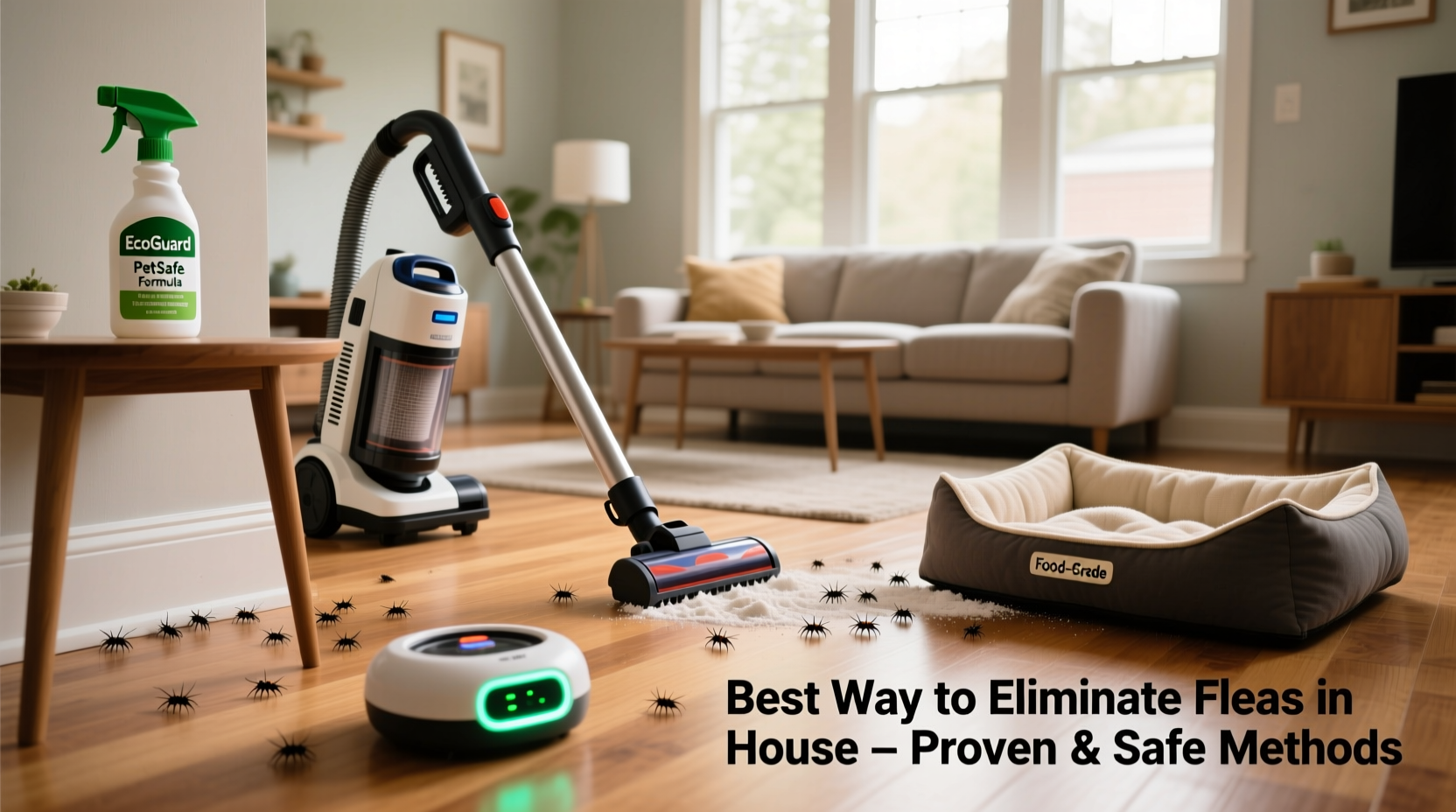
Fleas thrive in warm, humid environments and complete their lifecycle in as little as two weeks under ideal conditions. Adult fleas lay eggs on pets, which fall into carpets, furniture, and bedding. These eggs hatch into larvae that feed on organic debris before spinning cocoons and entering the pupal stage. Pupae can remain dormant for months, resisting many treatments until environmental cues like vibration or heat signal the presence of a host.
This resilience means that treating only adult fleas is ineffective. A successful elimination plan must disrupt every phase of development. Ignoring any stage allows reinfestation even after visible fleas disappear.
Tip: Vacuum daily during treatment to stimulate pupae to emerge, making them vulnerable to insecticides.Step-by-Step Guide to Eliminate Fleas from Your Home
Eradicating fleas requires systematic effort over several weeks. Follow this timeline to ensure thorough results:
- Day 1–3: Prepare and Treat Pets
Begin by applying a veterinarian-approved flea treatment (e.g., topical, oral, or collar) to all pets. This stops adult fleas from feeding and laying new eggs. - Day 2: Deep Clean the House
Vacuum all carpets, rugs, upholstery, baseboards, and pet bedding. Pay special attention to areas where pets sleep. Immediately dispose of the vacuum bag or empty the canister into a sealed plastic bag outside. - Day 3: Apply Indoor Insecticide
Use an indoor flea spray containing both an adulticide (like pyrethrin) and an insect growth regulator (IGR) such as methoprene or pyriproxyfen. These prevent eggs and larvae from maturing. Spray along baseboards, under furniture, and in cracks—but avoid food surfaces. - Day 7: Wash All Fabrics
Launder pet bedding, curtains, throw blankets, and washable area rugs in hot water (at least 130°F). Dry on high heat for 30 minutes to kill remaining fleas and eggs. - Day 14 & 21: Repeat Treatment
Reapply flea spray if needed, especially in high-traffic areas. Continue monthly pet treatments to prevent recurrence. - Week 4+: Monitor and Maintain
Keep vacuuming 2–3 times per week. Use sticky traps near pet resting zones to detect lingering activity.
Effective Flea Control Methods: Do’s and Don’ts
| Action | Do | Don't |
|---|---|---|
| Pet Treatment | Use vet-prescribed products consistently | Mix multiple over-the-counter treatments |
| Vacuuming | Vacuum daily, especially during active infestation | Leave vacuum contents indoors |
| Cleaning | Wash bedding weekly in hot water | Use bleach on delicate fabrics |
| Insecticides | Choose sprays with IGRs for long-term control | Overuse chemicals in poorly ventilated spaces |
| Prevention | Treat pets year-round, even in winter | Assume fleas are gone after one treatment |
Real-World Example: A Family’s Flea Battle in Suburban Chicago
The Thompson family adopted a rescue dog in early spring. Within days, they noticed small bites on their ankles and saw tiny insects jumping on the couch. They initially tried a store-bought flea bomb, but two weeks later, the problem worsened. Their golden retriever was scratching constantly, and flea dirt appeared in his coat.
They consulted their veterinarian, who recommended a three-pronged plan: switching to a prescription oral flea medication for the dog, deep cleaning the house with steam and targeted spraying, and using an IGR-based spray every two weeks for a month. They also began daily vacuuming and washing all soft furnishings.
By day 30, no new fleas were detected. Sticky traps placed near the dog’s bed remained clean. The key to their success? Consistency and addressing all life stages—not just the adults they could see.
Expert Insight on Integrated Pest Management
“Fleas are one of the most common household pests, but they’re also among the most misunderstood. Most people treat only the pet or only the carpet. True elimination requires treating the pet, the indoor environment, and maintaining prevention year-round.” — Dr. Linda Chen, DVM, Veterinary Parasitology Specialist
Top 5 Actionable Tips for Long-Term Flea Prevention
- Vacuum at least twice a week, even after the infestation ends, to remove stray eggs and stimulate dormant pupae.
- Steam clean carpets and upholstery annually; the high temperature kills fleas at all life stages.
- Seal gaps around baseboards and under doors to reduce hiding spots.
- Use natural deterrents like diatomaceous earth (food-grade) in crawl spaces or under furniture—safe for homes with children when used correctly.
- Maintain a dry, well-ventilated home; fleas thrive in humidity above 70%.
FAQ: Common Questions About Flea Elimination
How long does it take to get rid of fleas completely?
Complete elimination typically takes 3–8 weeks due to the flea’s extended pupal stage. Even after killing adults and larvae, new fleas may emerge from cocoons for up to six months. Consistent treatment and monitoring are essential during this window.
Can fleas live without pets?
Yes. While fleas prefer animal hosts, they will bite humans if necessary. Flea eggs and larvae can survive in carpets and furniture for weeks without a host. However, sustained populations usually require pets or wildlife (like rodents or raccoons) entering the home.
Are natural remedies like vinegar or essential oils effective?
Most natural solutions lack scientific backing. Vinegar may slightly alter surface pH but won’t kill fleas. Some essential oils (e.g., eucalyptus, tea tree) have repellent properties but can be toxic to pets. Relying solely on these methods risks prolonging infestations. Use them as supplements, not primary treatments.
Conclusion: Take Control Before Fleas Multiply
Eliminating fleas from your home isn’t a one-time task—it’s a process that demands patience, precision, and persistence. The most effective solution integrates pet care, environmental treatment, and preventive habits. By understanding the flea lifecycle and acting decisively across all fronts, you can reclaim your home from these resilient pests.
💬 Have you successfully eliminated a flea infestation? Share your experience or questions below—your insights could help others facing the same challenge.








