Fleas in the home are more than a nuisance—they’re a persistent pest problem that can compromise comfort, health, and hygiene. These tiny insects reproduce rapidly, hide in carpets, furniture, and pet bedding, and feed on both animals and humans. Left unchecked, a minor infestation can escalate into a full-blown household crisis within weeks. The best approach isn’t just about killing adult fleas; it’s about disrupting their entire life cycle while ensuring safety for pets, children, and the environment.
Effective flea control requires a multi-pronged strategy combining immediate action, thorough cleaning, and long-term prevention. This guide outlines proven, practical solutions based on entomological research, veterinarian recommendations, and real-world success stories.
Understanding the Flea Life Cycle
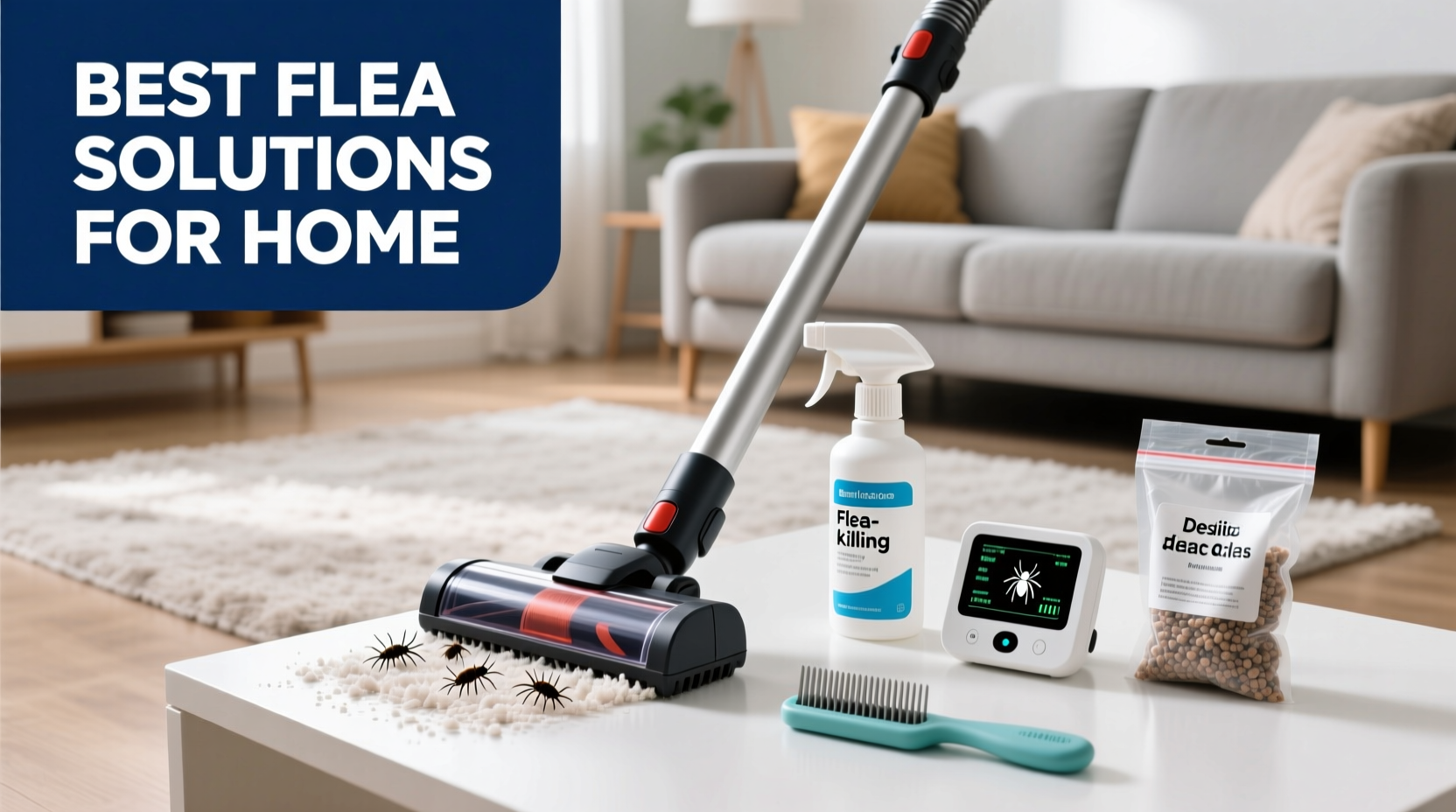
To effectively eliminate fleas, you must understand how they live and multiply. A single female flea can lay up to 50 eggs per day, which fall off pets into carpets, baseboards, and upholstery. The life cycle includes four stages:
- Eggs: Laid on hosts but fall into the environment; hatch in 1–10 days.
- Larvae: Feed on organic debris and flea dirt; avoid light and burrow deep into fibers.
- Pupae: Encased in protective cocoons; can remain dormant for months, resisting most treatments.
- Adults: Emerge when sensing warmth, carbon dioxide, or vibrations—ready to jump and bite.
The pupal stage is particularly resilient. Many over-the-counter sprays kill adults and larvae but fail against sealed cocoons, leading to reinfestation weeks later. That’s why timing and repeated treatment are crucial.
Tip: Vacuum daily during treatment—it stimulates pupae to emerge, making them vulnerable to insecticides.Immediate Actions to Take When You Spot Fleas
The moment you notice bites or see fleas on your pet, act quickly. Delaying response allows populations to grow exponentially. Follow this urgent protocol:
Step-by-Step Guide to Initial Response
- Isolate and treat pets: Use a vet-approved topical, oral, or collar-based flea medication. Never use dog products on cats—they can be toxic.
- Vacuum thoroughly: Focus on baseboards, under furniture, pet beds, and high-traffic areas. Dispose of the vacuum bag or empty the canister in an outdoor trash bin immediately.
- Wash all fabrics: Bedding, curtains, and pet blankets should be washed in hot water (at least 130°F) and dried on high heat.
- Apply an indoor insect growth regulator (IGR): Products like methoprene or pyriproxyfen prevent eggs and larvae from maturing.
- Use a contact-killing spray: Choose one with ingredients like dinotefuran or imidacloprid for fast knockdown of adult fleas.
These steps break the reproductive chain early. However, because pupae may remain viable for up to six months, continued vigilance is essential.
Best Long-Term Solutions for Flea Elimination
While immediate actions reduce visible infestations, long-term success depends on consistent follow-up and environmental management. The most effective solutions combine chemical and non-chemical approaches.
Top Treatment Options Compared
| Solution | Effectiveness | Safety | Duration | Cost (Est.) |
|---|---|---|---|---|
| Veterinary-prescribed oral meds (e.g., NexGard, Bravecto) | ★★★★★ | High (when used as directed) | 1–3 months per dose | $$$ |
| Insect Growth Regulators (IGRs) | ★★★★☆ | Very High | Up to 7 months | $$ |
| Diatomaceous Earth (food-grade) | ★★★☆☆ | High (avoid inhalation) | Reapply after vacuuming | $ |
| Steam Cleaning Carpets | ★★★☆☆ | Very High | One-time kill | $$ (rental/service) |
| Flea Foggers/Bombs | ★★☆☆☆ | Moderate (fire risk, residue) | Short-term | $$ |
No single method works alone. For example, foggers may reach hidden areas but often miss shaded spots where fleas thrive. Diatomaceous earth dehydrates insects but requires dry conditions and time to work. Combining tools increases efficacy dramatically.
“Successful flea control is 20% product and 80% process. Consistent vacuuming, washing, and timing matter more than any miracle spray.” — Dr. Linda Harper, Veterinary Entomologist, UC Davis
Real Example: A Family’s Turnaround After Months of Struggle
The Thompson family in Portland, Oregon, battled fleas for five months. They tried over-the-counter collars, sprays, and even a DIY vinegar solution—all failed. Their two cats were constantly scratching, and the children developed itchy red bites on their ankles.
After consulting a vet, they implemented a coordinated plan:
- Switched to prescription chewables for both cats (Bravecto).
- Vacuumed every 48 hours and disposed of debris in sealed bags outside.
- Applied Siphotrol Plus II, an IGR + adulticide combo, to all carpeted areas.
- Used food-grade diatomaceous earth lightly under furniture (reapplied weekly).
- Steam-cleaned rugs and replaced old pet bedding.
Within three weeks, flea sightings dropped by 90%. By week eight, no new activity was observed. The key? Persistence through the full life cycle and refusing to stop after initial improvement.
Prevention Checklist: Stop Fleas Before They Start
Once eradicated, maintain a flea-free home with this ongoing checklist:
- ✅ Administer year-round flea prevention to all pets—even indoor-only ones.
- ✅ Vacuum at least twice a week, especially along walls and under furniture.
- ✅ Wash pet bedding weekly in hot water.
- ✅ Inspect secondhand furniture or rugs before bringing them inside.
- ✅ Seal cracks and gaps in flooring where fleas might hide.
- ✅ Monitor pets after visits to parks, groomers, or pet-friendly hotels.
- ✅ Store brooms and vacuums in a dry area to prevent moisture buildup that attracts pests.
Frequently Asked Questions
Can fleas survive without pets?
Yes, but not indefinitely. Fleas prefer animal blood, but they will bite humans if necessary. Without a host, adult fleas typically die within 1–2 weeks. However, eggs, larvae, and pupae can remain dormant in carpets and crevices for months, waiting for a new host to arrive.
Are natural remedies like essential oils effective?
Most essential oils (e.g., lavender, eucalyptus) have limited efficacy and can be toxic to pets, especially cats. While some may repel fleas temporarily, they do not kill eggs or larvae. Relying solely on natural oils risks prolonged infestation. If used, dilute properly and keep away from pets’ direct contact.
How long does it take to get rid of fleas completely?
A complete elimination process usually takes 2–3 months. This aligns with the full flea life cycle. Even after no fleas are seen, continue preventive measures for at least 30 days beyond the last sighting to ensure all pupae have hatched and been killed.
Conclusion: Take Control of Your Home Environment
Eliminating fleas from your house isn’t about finding one magic solution—it’s about implementing a smart, sustained strategy that targets every stage of the flea life cycle. From veterinary-grade pet treatments to strategic vacuuming and the use of growth inhibitors, each step builds toward lasting results.
The best thing for fleas in the house is consistent action, informed choices, and refusal to accept temporary fixes. With the right tools and discipline, you can reclaim your home’s comfort and peace of mind—permanently.
💬 Have a flea battle story or tip that worked for you? Share your experience below and help others win theirs!








