Pet ownership brings joy, companionship, and a few inevitable challenges—chief among them, persistent odors. Whether it’s a lingering scent from an accident, damp dog smell after a rainwalk, or the unmistakable aroma of a litter box, pet-related odors can embed themselves in fabrics, carpets, and even walls. While many air fresheners simply mask these smells with overpowering perfumes, the most effective solutions actively neutralize odor molecules at their source. Understanding the science behind odor elimination and selecting the right product can transform your home into a clean, welcoming space—without compromising your pet’s health or your indoor air quality.
Understanding Pet Odors: Why Standard Air Fresheners Fall Short
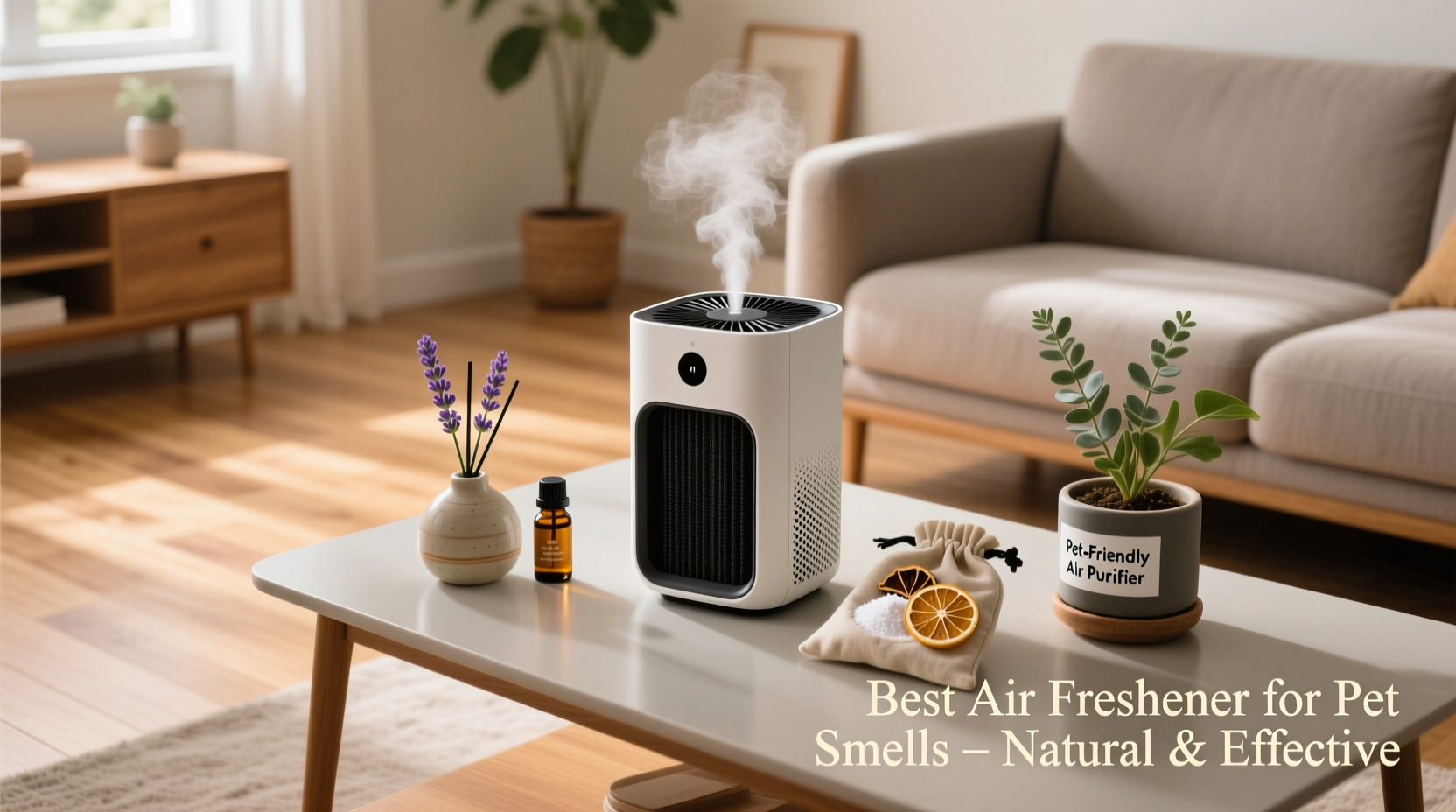
Pet odors are complex. They stem from biological compounds like ammonia (from urine), fatty acids (from skin oils), and bacteria breaking down organic matter. Traditional aerosol sprays and plug-ins often use synthetic fragrances to cover these smells temporarily, but they don’t address the root cause. Worse, some contain volatile organic compounds (VOCs) that can irritate pets’ respiratory systems and worsen indoor air pollution.
Effective odor control requires a two-pronged approach: source elimination and air purification. This means cleaning affected areas thoroughly with enzymatic cleaners and using air fresheners that either neutralize airborne particles or filter them out entirely.
“Most off-the-shelf air fresheners are designed to perfume the air, not purify it. For pet owners, true freshness comes from removing contaminants, not adding more chemicals.” — Dr. Lena Patel, Indoor Air Quality Specialist
Top 5 Types of Air Fresheners That Work on Pet Smells
Not all air fresheners are created equal. The following types have demonstrated real efficacy in tackling pet odors, based on consumer testing, veterinary recommendations, and environmental safety.
- Activated Charcoal Air Purifiers: These units use porous carbon to trap odor molecules. They’re chemical-free, quiet, and excellent for continuous background purification in rooms where pets spend time.
- HEPA + Carbon Filter Air Purifiers: Combining mechanical filtration with adsorption, these devices capture allergens and absorb gaseous pollutants. Ideal for homes with multiple pets or allergy sufferers.
- Enzymatic Sprays: Unlike fragrance-based sprays, enzymatic formulas break down odor-causing proteins. Safe for use on upholstery, carpets, and even litter boxes when formulated correctly.
- Natural Reed Diffusers (with essential oils): Choose pet-safe options like lavender or eucalyptus blends—avoid tea tree, citrus, or pine oils, which can be toxic to cats and dogs.
- Ozone Generators (Used Cautiously): Ozone oxidizes odor molecules but must be used in unoccupied spaces due to its potential harm to lungs. Not recommended for daily use around pets.
Comparison: Best Air Freshener Options for Pet Owners
| Product Type | Odor Elimination | Pet Safety | Maintenance | Best For |
|---|---|---|---|---|
| HEPA + Carbon Air Purifier | ★★★★★ | ★★★★☆ | Monthly filter changes | Whole-room coverage, multi-pet homes |
| Enzymatic Spray | ★★★★☆ | ★★★★★ | As needed | Spot treatment, accidents |
| Activated Charcoal Bag | ★★★☆☆ | ★★★★★ | Recharge in sunlight monthly | Closets, crates, small spaces |
| Natural Reed Diffuser | ★★☆☆☆ | ★★★☆☆ (check oils) | Refill every 4–6 weeks | Subtle fragrance in low-odor areas |
| Ozone Generator | ★★★★★ | ★☆☆☆☆ (use when vacant) | Rare, intensive use only | Deep cleaning after major incidents |
A Step-by-Step Guide to Eliminating Pet Odors for Good
Eliminating pet smells isn’t a one-time task—it’s an ongoing process. Follow this timeline to maintain a consistently fresh home:
- Day 1: Identify and Clean Source Areas
Locate high-odor zones: litter boxes, pet beds, favorite furniture spots. Use an enzymatic cleaner on all surfaces, especially carpets and upholstery. Let dry completely. - Day 2: Introduce Continuous Air Purification
Place a HEPA + carbon filter air purifier in the most affected room. Run it continuously on medium setting. - Day 3–7: Monitor and Adjust
Assess whether odors persist. If so, add activated charcoal bags in pet crates or under furniture. Avoid spraying fragrances during this phase to prevent masking residual smells. - Week 2: Deep-Clean Fabrics
Wash pet bedding, curtains, and throw blankets with an odor-neutralizing detergent. Consider adding white vinegar to the rinse cycle (½ cup) to remove embedded smells. - Ongoing: Preventative Maintenance
Vacuum weekly with a HEPA-filter vacuum. Refresh charcoal bags monthly by placing them in direct sunlight for 2–3 hours. Replace air purifier filters as recommended.
Real-World Example: How One Family Tackled Persistent Cat Litter Odor
The Thompson family adopted two rescue cats, both healthy but prone to marking behavior. Despite daily scooping, a strong ammonia smell lingered in their basement utility room. Plug-in air fresheners made it worse—adding a cloying floral scent to the already unpleasant mix.
They took a systematic approach: First, they replaced the clay-based litter with a plant-based, clumping formula known for reduced odor. Next, they placed an air purifier with a medical-grade HEPA and activated carbon filter in the corner. They also lined the litter box mat with an enzymatic spray every other day.
Within ten days, the odor was nearly undetectable. “We stopped dreading going downstairs,” said Sarah Thompson. “And our guests don’t wrinkle their noses anymore.”
Checklist: Choosing the Best Air Freshener for Your Pet Home
- ✅ Does it neutralize odors, not just mask them?
- ✅ Is it safe for pets (especially birds, cats, and animals with respiratory sensitivities)?
- ✅ Does it use non-toxic, low-VOC ingredients?
- ✅ Can it handle the size of your space? (Check square footage ratings.)
- ✅ Is maintenance simple and cost-effective?
- ✅ Has it been independently tested or veterinarian-recommended?
- ✅ Does it work on organic odors (urine, feces, saliva, dander)?
Frequently Asked Questions
Can I use essential oil diffusers around my pets?
Some essential oils are toxic to pets, especially cats. Avoid diffusing tea tree, eucalyptus, citrus, pine, and peppermint oils. If you choose to use a diffuser, do so in a well-ventilated area the pet can leave, and limit diffusion to short intervals.
How often should I replace filters in my pet-focused air purifier?
Most manufacturers recommend replacing carbon filters every 3–6 months, depending on usage and pet load. HEPA filters typically last 6–12 months. Always follow the model-specific guidelines and monitor for reduced airflow or lingering odors.
Are there natural alternatives to chemical air fresheners?
Yes. Baking soda is a natural odor absorber—sprinkle it on carpets before vacuuming. Simmer pots with citrus peels and cinnamon offer temporary freshness. Activated charcoal bags and beeswax candles (unscented or lightly scented) are excellent passive options.
Final Thoughts: Freshness Without Compromise
Finding the best air freshener for pet smells isn’t about choosing the strongest scent—it’s about selecting smart, science-backed solutions that prioritize health, safety, and long-term results. The ideal strategy combines immediate odor neutralization with consistent air purification. By investing in the right tools and maintaining a proactive routine, you can enjoy the companionship of your pets without the burden of persistent odors.
🚀 Take action today: Start with one step—replace your current air freshener with an enzymatic spray or place a small charcoal bag in your pet’s sleeping area. Small changes lead to lasting freshness. Share your experience or ask questions in the comments below!








