
Many people are aware of the risks of sunburn on the skin, but fewer realize that the eyes can also suffer from overexposure to ultraviolet (UV) radiation. Known as photokeratitis, eye sunburn is a painful condition that occurs when the cornea—the clear front surface of the eye—is damaged by intense UV light. This commonly happens during outdoor activities like skiing, beach days, or prolonged time in direct sunlight without proper eye protection. Left untreated, it can lead to temporary vision loss and long-term ocular complications. Fortunately, with prompt care and preventive habits, most cases resolve fully, and future incidents can be avoided.
Understanding Eye Sunburn: Causes and Symptoms
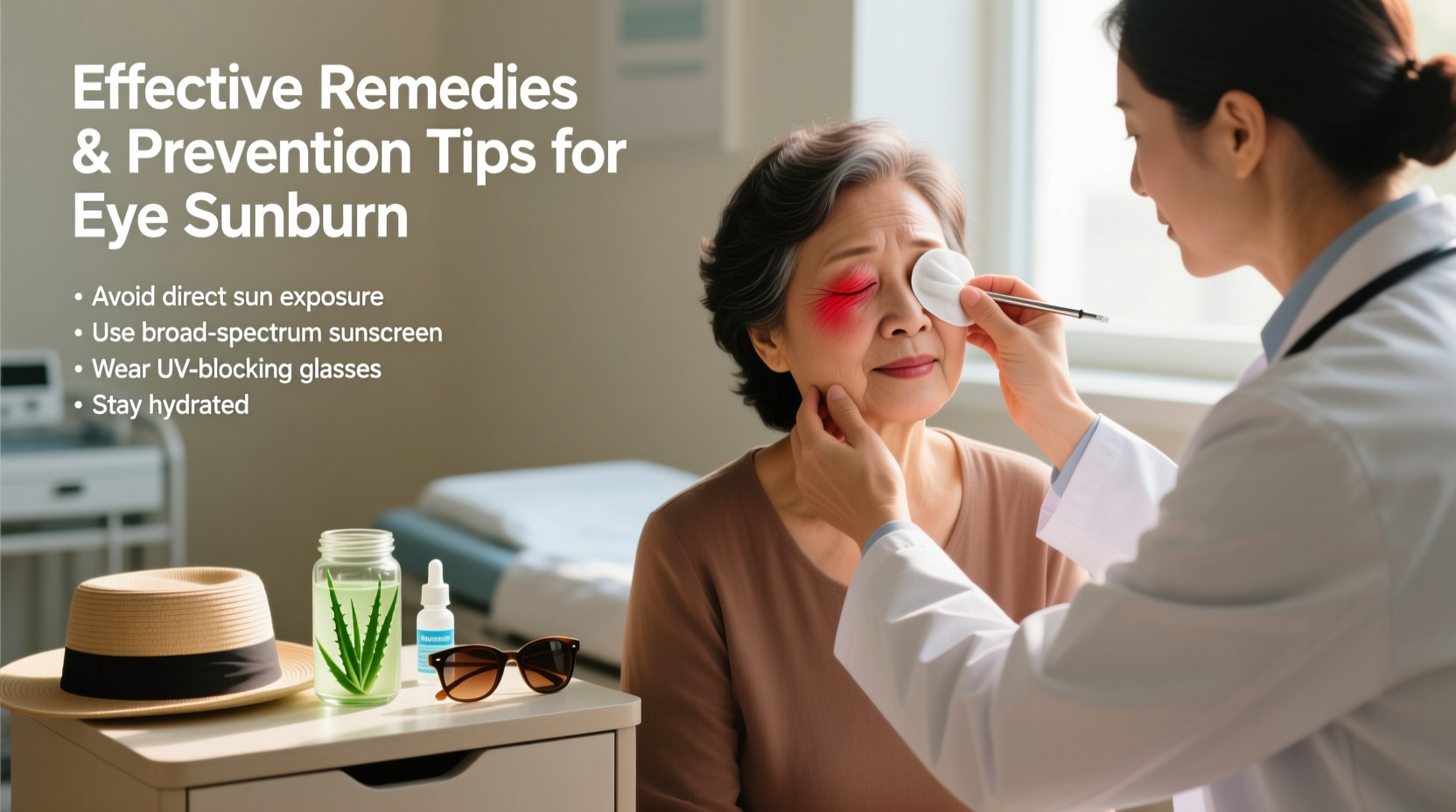
Eye sunburn, or photokeratitis, results from excessive exposure to UVB rays. Unlike skin sunburn, which may take hours to appear, symptoms of eye sunburn often develop within 6 to 12 hours after exposure. Common scenarios include:
- Snow reflection during skiing or mountaineering (\"snow blindness\")
- Beach environments where sand and water reflect UV light
- High-altitude hiking with thinner atmospheric protection
- Welding without protective gear (arc eye)
- Using tanning beds without eye shields
Symptoms typically include:
- Pain ranging from mild irritation to severe discomfort
- Redness and swelling of the eyelids
- A gritty or foreign body sensation in the eyes
- Excessive tearing and sensitivity to light
- Blurred vision or temporary vision loss
- Headaches due to eye strain
The good news is that photokeratitis is usually temporary and heals within 24 to 48 hours with proper rest and care. However, repeated episodes increase the risk of cataracts, macular degeneration, and chronic dry eye.
Tip: If you're spending extended time outdoors—especially near snow, water, or at high elevations—wear UV-blocking sunglasses even on cloudy days. Up to 80% of UV radiation penetrates cloud cover.Immediate Remedies for Soothing Sun-Damaged Eyes
Once symptoms appear, swift action can minimize discomfort and support healing. The goal is to reduce inflammation, protect the cornea, and avoid further irritation.
- Remove yourself from UV exposure immediately. Go indoors or into deep shade to prevent additional damage.
- Close your eyes and rest them completely. Avoid screens, reading, or any activity requiring visual focus.
- Cool compresses can help relieve pain. Use a clean, damp cloth chilled in the refrigerator (not frozen) and place it gently over closed eyelids for 5–10 minutes at a time.
- Use preservative-free artificial tears. Lubricating eye drops help soothe dryness and flush out irritants. Avoid redness-reducing drops, which can worsen irritation.
- Take over-the-counter pain relievers. Ibuprofen or acetaminophen can reduce pain and inflammation.
- Wear dark sunglasses indoors if light-sensitive. Wraparound styles block peripheral light and reduce discomfort.
Never rub your eyes, as this can scratch the already compromised corneal surface. Also, avoid wearing contact lenses until symptoms have fully resolved—typically two days post-exposure.
What Not to Do When Treating Eye Sunburn
| Do’s | Don’ts |
|---|---|
| Rest eyes in a dark room | Rub or press on the eyes |
| Use cold compresses | Apply ice directly to eyelids |
| Use lubricating eye drops | Use medicated or vasoconstrictor eye drops |
| Wear UV-blocking sunglasses | Go back into sunlight too soon |
| Seek medical help if symptoms persist | Self-treat with home remedies like herbal washes |
“Photokeratitis is like a sunburn on the eye—it’s preventable and treatable, but ignoring it can lead to serious consequences. Early intervention reduces recovery time and protects long-term eye health.” — Dr. Lena Torres, Ophthalmologist and UV Research Specialist
Prevention: How to Protect Your Eyes from UV Damage
Preventing eye sunburn is far more effective than treating it. Simple, consistent habits can drastically reduce your risk.
Wear Proper Sunglasses Year-Round
Not all sunglasses offer adequate protection. Look for labels indicating:
- 100% UVA and UVB protection (not just “cosmetic” tinting)
- Wraparound frames that limit side exposure
- Larger lenses that cover more surface area
Darker lenses don’t necessarily block more UV—they only reduce visible light. Always check for a UV 400 rating, which blocks wavelengths up to 400 nanometers, covering both UVA and UVB.
Use Hats and Seek Shade
A wide-brimmed hat blocks up to 50% of UV rays reaching the eyes from above. Combine this with sunglasses for optimal defense. During peak sun hours (10 a.m. to 4 p.m.), seek shade whenever possible, especially in reflective environments.
Protect Children’s Eyes
Children’s eyes are more transparent to UV light, making them more vulnerable. Ensure they wear child-sized UV-protective sunglasses and hats during outdoor play.
Tip: UV intensity increases by about 10% every 1,000 feet in elevation. Hikers and skiers should prioritize eye protection even in cold or overcast conditions.Real-World Example: A Skier’s Experience with Snow Blindness
Mark, an experienced hiker and occasional skier, decided to tackle a high-altitude trail in the Rockies without his usual sunglasses, assuming the overcast sky would limit sun exposure. After six hours on snow-covered terrain, he began experiencing intense eye pain, blurred vision, and headaches. By evening, he could barely open his eyes in indoor lighting.
He visited an urgent care clinic, where a physician diagnosed him with photokeratitis. He was advised to rest in a dark room, use lubricating drops, and avoid screens. Within 36 hours, his vision improved significantly. Mark now keeps a pair of UV 400 wraparound sunglasses in his backpack year-round and educates fellow outdoor enthusiasts about the invisible danger of reflected UV light.
When to See a Doctor
While most cases of eye sunburn resolve independently, certain signs warrant immediate medical attention:
- Symptoms lasting longer than 48 hours
- Severe pain unrelieved by OTC medication
- Visible changes in the eye, such as pus, discharge, or cloudiness
- Sensation of something stuck in the eye that doesn’t improve
- Decreased vision that doesn’t return to baseline
An ophthalmologist may perform a fluorescein stain test to assess corneal damage and prescribe antibiotic ointment to prevent infection if abrasions are present. In rare cases, a bandage contact lens may be used to promote healing.
Frequently Asked Questions
Can you get sunburned eyes on a cloudy day?
Yes. Up to 80% of UV radiation penetrates cloud cover, and reflective surfaces like water, sand, and snow can intensify exposure. Always wear UV-protective eyewear outdoors, regardless of weather.
Is eye sunburn permanent?
No, photokeratitis is typically temporary and heals within one to two days. However, repeated exposure increases the risk of long-term issues like cataracts and macular degeneration.
Are regular prescription glasses enough for UV protection?
Standard clear lenses block some UV, but not all. Many modern corrective lenses include UV coatings, but always confirm with your optometrist. For full protection, wear prescription sunglasses labeled UV 400.
Final Thoughts and Action Steps
Eye sunburn is a common yet preventable condition that affects thousands each year. Recognizing the early signs and acting quickly can shorten recovery and prevent complications. More importantly, adopting daily protective habits—like wearing quality sunglasses, using wide-brimmed hats, and avoiding peak UV times—can safeguard your vision for decades.
Start today: Check your current sunglasses for proper UV labeling. Replace outdated or unlabeled pairs. Keep a spare pair in your car or bag. Encourage family members, especially children, to adopt these practices early.
💬 Your eyes are irreplaceable—protect them like you mean it. Share this guide with someone who spends time outdoors, and make UV eye safety part of your everyday routine.








