Bee stings are a common outdoor hazard, especially during warmer months. While most reactions are mild and manageable at home, knowing how to treat a sting quickly and effectively can reduce pain, swelling, and the risk of complications. The good news is that many proven treatments cost little to nothing, with most effective solutions falling between $0 and $14. From immediate first aid to over-the-counter medications and natural remedies, this guide covers practical, budget-friendly approaches backed by medical insight.
Immediate First Aid: What to Do Right After a Sting
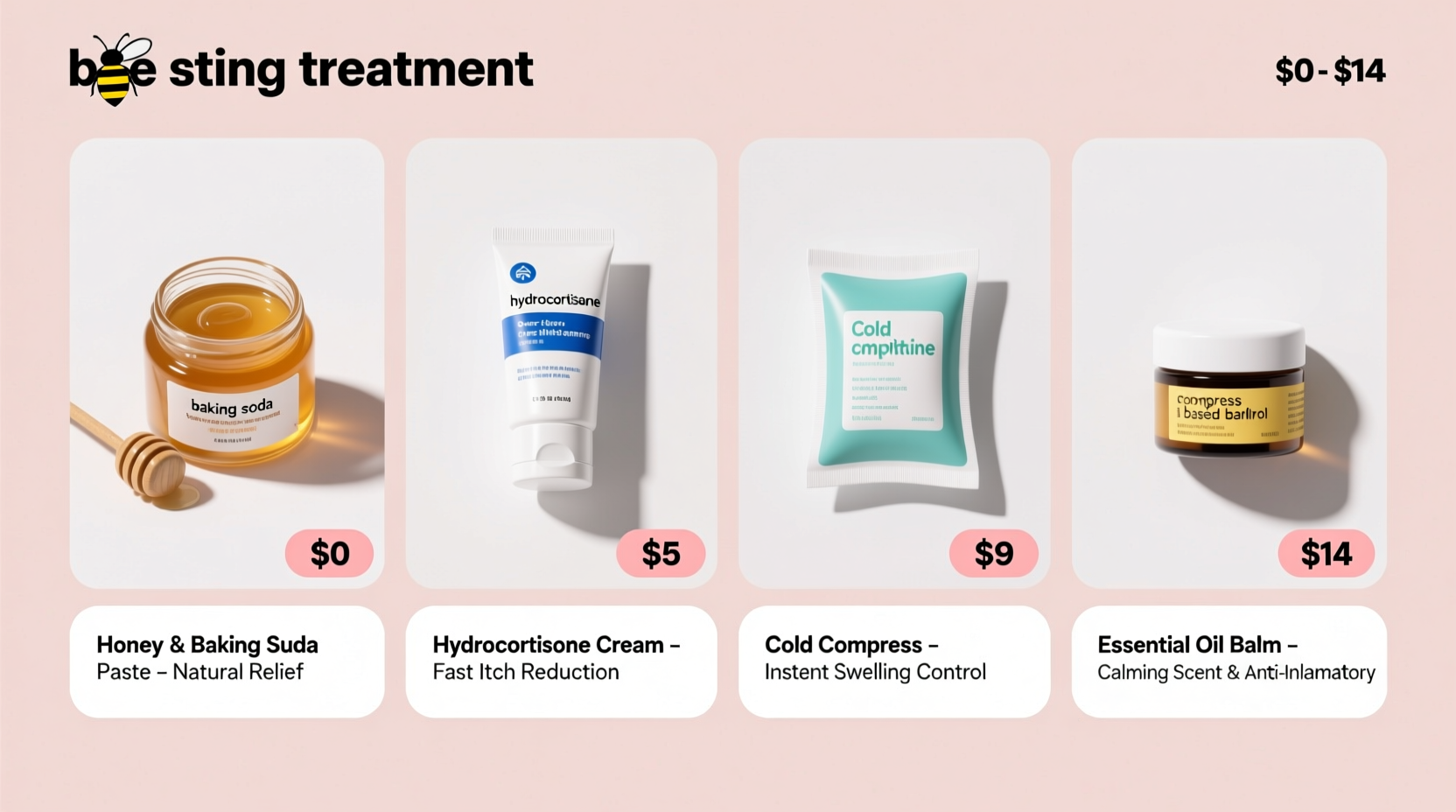
The first few minutes after a bee sting are critical. Acting quickly helps minimize venom absorption and reduces discomfort. Follow these steps immediately:
- Remove the stinger promptly. Use a flat object like a credit card or fingernail to scrape it out. Avoid tweezers, as squeezing the venom sac can inject more toxin.
- Wash the area. Use soap and water to clean the site and prevent infection.
- Apply a cold compress. Wrap ice in a cloth and apply for 10–15 minutes to reduce swelling and numb pain.
These basic steps require no cost and are universally recommended by health professionals. Cold compresses can be made with household ice or even a bag of frozen vegetables wrapped in a towel.
Affordable Over-the-Counter Treatments (Under $14)
After initial care, targeted treatments can further relieve symptoms. Most effective OTC products are inexpensive and widely available. Below is a comparison of top-rated options:
| Treatment | Active Ingredient | Average Price | Best For |
|---|---|---|---|
| Benzocaine Cream (e.g., Americaine) | Benzocaine | $4–$7 | Numbing pain and itching |
| Hydrocortisone Cream (1%) | Hydrocortisone | $5–$8 | Reducing inflammation and itch |
| Oral Antihistamines (e.g., Benadryl) | Diphenhydramine | $3–$6 | Controlling allergic reactions and itching |
| Ibuprofen (e.g., Advil) | Ibuprofen | $4–$9 | Relieving pain and swelling |
| Baking Soda Paste | Sodium bicarbonate | $0.50 (per use) | Neutralizing venom and soothing skin |
Most pharmacies carry store-brand versions of these treatments at lower prices than name brands. For example, generic diphenhydramine costs under $4 for 24 tablets and works identically to branded Benadryl.
“Prompt removal of the stinger and early use of antihistamines can significantly reduce both local and systemic reactions.” — Dr. Laura Simmons, Allergist & Immunologist
Effective Home Remedies (Cost: $0–$5)
Many natural remedies offer relief without spending a dime. These are particularly useful when commercial products aren’t accessible:
- Honey: Apply raw honey to the sting. Its antibacterial properties may reduce infection risk and soothe irritation. Cost: ~$0.25 per use (if you already have it).
- Baking soda paste: Mix 2 parts baking soda with 1 part water. Apply for 10–15 minutes to neutralize acidic venom. Cost: pennies.
- Apple cider vinegar: Soak a cloth in vinegar and place it on the sting. May help draw out venom and reduce itching. Cost: ~$0.10 per application.
- Cold tea bag: Black tea contains tannins that can reduce swelling. Chill a used bag and apply it to the area. Cost: $0 if reusing.
Step-by-Step Treatment Timeline (First 24 Hours)
Managing a bee sting effectively involves consistent care over time. Follow this timeline for optimal recovery:
- Minute 0–5: Remove stinger, wash area, apply ice.
- Minute 5–30: Apply hydrocortisone cream or baking soda paste.
- Hour 1: Take an oral antihistamine (e.g., Benadryl) if itching or swelling begins.
- Hour 2–6: Reapply cold compress every hour as needed. Use ibuprofen for pain.
- Hour 6–24: Monitor for signs of allergy (rash, difficulty breathing). Reapply topical treatments 2–3 times daily.
This structured approach ensures continuous symptom management and minimizes the chance of delayed reactions.
When to Seek Medical Help
While most stings heal within a few days, some situations require urgent attention. Recognizing danger signs can be life-saving:
- Difficulty breathing or swallowing
- Swelling of the face, throat, or tongue
- Dizziness, rapid pulse, or drop in blood pressure
- Hives spreading beyond the sting site
- Multiple stings (especially in children or elderly)
If any of these occur, call emergency services immediately. Anaphylaxis, though rare, develops rapidly and requires epinephrine (EpiPen), which is not in the $0–$14 range but should be carried by those with known allergies.
Mini Case Study: A Hiker’s Experience
Mark, a weekend hiker in Colorado, was stung on the ankle during a trail run. He had no first-aid kit but remembered key steps from a park ranger talk. Using his car key, he scraped out the stinger. At home, he applied a cold pack, then made a baking soda paste. By evening, he took a Benadryl tablet ($3 at a dollar store) and used leftover hydrocortisone cream from his medicine cabinet. Swelling peaked the next morning but resolved by day three. Total cost: $0 (excluding existing supplies). His prompt actions prevented worsening symptoms and avoided a clinic visit.
Frequently Asked Questions
Can I use toothpaste for a bee sting?
Some people report relief from toothpaste due to its cooling menthol content, but there’s no scientific evidence it neutralizes venom. It may irritate sensitive skin. Stick to proven methods like cold compresses or hydrocortisone.
How long does a bee sting reaction last?
For most people, pain and redness fade within 1–2 days. Swelling may persist up to a week. If symptoms worsen after 48 hours, consult a healthcare provider.
Is it safe to pop a bee sting blister?
No. Blistering can occur with stronger reactions. Popping increases infection risk. Keep the area clean and covered with a bandage if needed.
Checklist: Your Bee Sting Response Plan
- ✅ Remove stinger with scraping motion
- ✅ Wash area with soap and water
- ✅ Apply cold compress for 10–15 minutes
- ✅ Apply hydrocortisone or antihistamine cream
- ✅ Take oral antihistamine or pain reliever if needed
- ✅ Monitor for allergic reactions over 24 hours
- ✅ Avoid scratching or applying harsh chemicals
Conclusion: Smart, Affordable Care Makes All the Difference
Treating a bee sting doesn’t require expensive medications or emergency visits in most cases. With simple tools and knowledge, you can manage symptoms effectively for under $14—or even for free. Preparedness is key: keeping a small first-aid kit with antihistamines, hydrocortisone, and pain relievers ensures you’re ready when stings happen. Share this information with family, especially parents sending kids outdoors, and empower others with practical, low-cost solutions.
💬 Have a bee sting remedy that worked for you? Share your experience in the comments to help others stay safe and save money!








