For many dog owners, managing a pet with a medical condition that requires nutritional support through an esophageal feeding tube can be both emotionally and technically challenging. One of the most common complications is tube clogging, which not only disrupts essential nutrition but can also lead to discomfort or infection if not addressed promptly and correctly. Unlike gastric tubes, esophageal tubes (often referred to as PEG tubes or less commonly as pharyngostomy tubes) pass through the neck into the esophagus and require special care due to their location and smaller diameter. This guide provides clear, safe, and vet-approved strategies to help you recognize, prevent, and resolve clogs—so your dog continues receiving vital nourishment without unnecessary stress.
Understanding Esophageal Feeding Tubes in Dogs
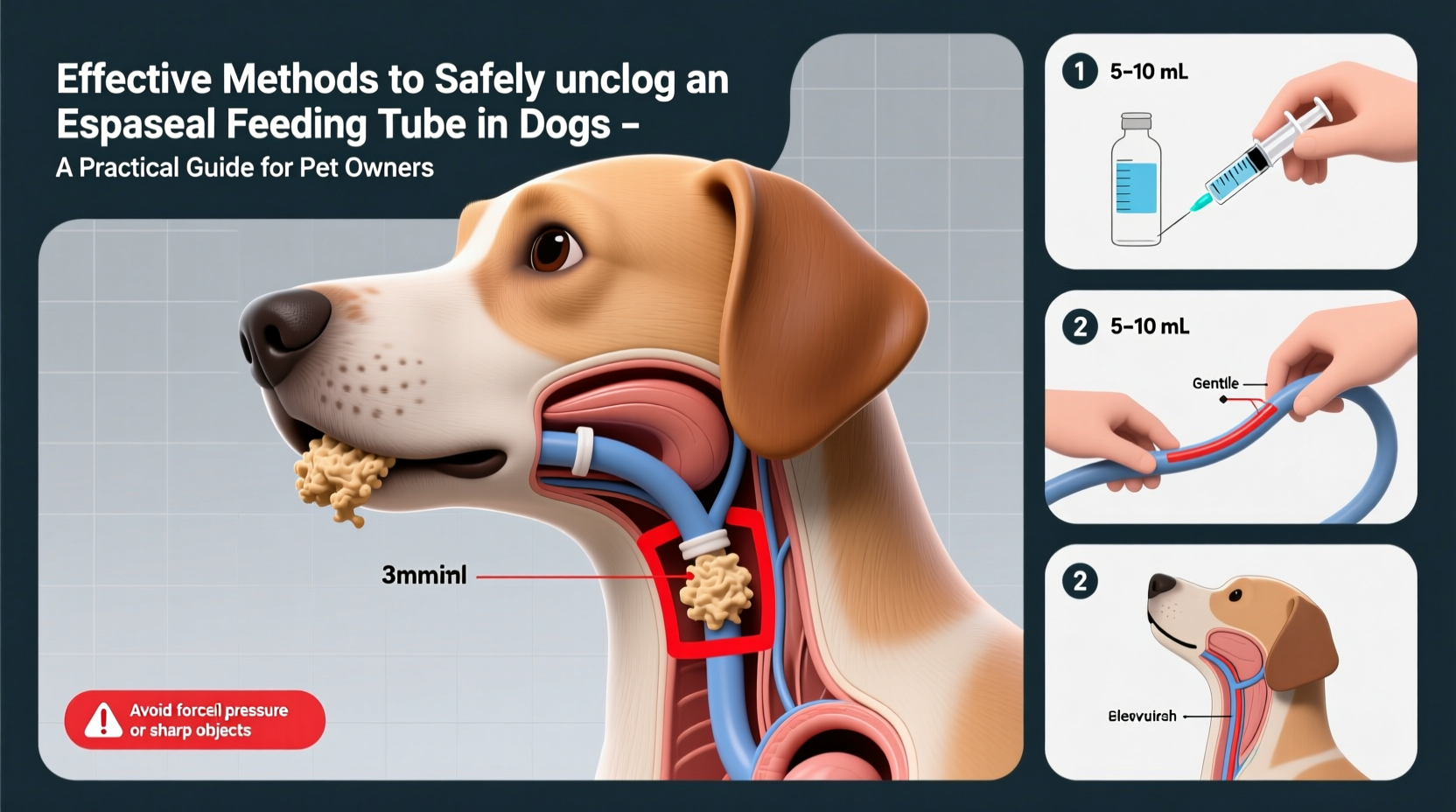
Esophageal feeding tubes are typically placed in dogs who cannot eat normally due to conditions like jaw fractures, severe oral disease, neurological disorders, or recovery from surgery. These tubes allow liquid or blended diets to be delivered directly into the upper digestive tract. Because they are narrower than gastrostomy tubes, they are more prone to blockages, especially when formula consistency is too thick or when flushing routines are inconsistent.
The key to long-term success lies in routine maintenance. Most clogs form gradually from residual formula drying inside the lumen. Recognizing early signs—such as resistance when administering food, visible debris at the port, or sluggish flow—can prevent complete occlusion.
“Prevention is always better than intervention. Regular flushing with warm water is the single most effective way to keep feeding tubes patent.” — Dr. Laura Simmons, DVM, Board-Certified Veterinary Internist
Step-by-Step Guide to Safely Unclog a Feeding Tube
If you encounter resistance while feeding, stop immediately. Forcing material through may damage the tube or injure surrounding tissue. Follow this sequence carefully:
- Stop feeding – Do not attempt to push more formula through the tube.
- Flush gently with warm water – Use a 3–5 mL syringe filled with lukewarm (not hot) sterile or distilled water. Attempt to aspirate first, then flush slowly using gentle pressure.
- Wait 5–10 minutes – Allow time for the water to soften any blockage. Keep the tube elevated slightly to aid dissolution.
- Repeat flush-and-wait cycle – Perform up to three cycles, checking for improved flow each time.
- Use a clog-dissolving agent (if approved) – If water fails, your veterinarian may recommend a solution such as crushed pancrelipase enzyme mixed in water or a dilute sodium bicarbonate solution (¼ teaspoon in 5 mL water).
- Contact your vet – If the tube remains blocked after 30 minutes of effort, discontinue attempts and call your veterinary team.
Safe Clog-Dissolving Solutions and What to Avoid
Not all substances are safe for dissolving clogs in small-bore feeding tubes. Some home remedies can degrade the tube material or irritate the esophagus. The table below outlines recommended and prohibited agents:
| Solution | Safe? | Notes |
|---|---|---|
| Warm sterile water | Yes | First-line approach; non-toxic and effective for partial clogs |
| Pancrelipase enzyme (crushed tablet in 5mL water) | Yes (vet-approved) | Breaks down protein-based obstructions; leave in for 15–30 min |
| Sodium bicarbonate (dilute) | Yes (short-term) | Can dissolve acidic buildup; do not mix with vinegar |
| Coca-Cola or other sodas | No | Acidic and sugary; can erode tubing and promote bacterial growth |
| Vinegar | No | Too acidic; may damage tube integrity |
| Mechanical wire \"stylets\" | No | Risk of perforating the tube or esophagus; never use at home |
Prevention Checklist: Daily Best Practices
Most clogs are preventable with consistent care. Follow this daily checklist to minimize risks:
- Flush the tube with 5–10 mL of warm water before and after every feeding
- Ensure all medications are fully dissolved or in liquid form before administration
- Blend prescription diets thoroughly to a smooth, milkshake-like consistency
- Never mix medications with formula—administer separately with water flushes in between
- Inspect the external portion of the tube weekly for cracks, kinks, or residue buildup
- Keep a log of feedings, flush volumes, and any resistance encountered
Real Example: Managing a Partial Clog at Home
Maggie, a 9-year-old boxer recovering from mandibulectomy, had been on an esophageal feeding tube for six weeks. One evening, her owner, Tom, noticed increased resistance when delivering her usual blended diet. He stopped immediately, flushed with 5 mL of warm water, and waited 10 minutes. After two more cycles, flow remained sluggish. Remembering his vet’s instructions, he called the clinic and was advised to try a crushed pancrelipase tablet in 5 mL of water. He instilled the solution, clamped the tube, and waited 20 minutes. Upon flushing again, full patency was restored. Tom resumed feeding the next day with stricter blending and flushing protocols—and no further clogs occurred.
This case illustrates how timely action, proper tools, and communication with your vet can resolve issues at home and prevent emergency visits.
Frequently Asked Questions
Can I use tap water to flush the tube?
While occasional use may be acceptable, sterile or distilled water is preferred to reduce the risk of introducing bacteria or mineral deposits. If using tap water, ensure it's filtered and fresh. Consult your vet for site-specific recommendations.
How often should I replace the feeding tube?
Most esophageal tubes are designed for short- to medium-term use (4–8 weeks). Your vet will determine replacement timing based on healing progress, tube condition, and infection risk. Do not attempt to remove or replace the tube yourself.
What are signs of a serious complication?
Symptoms like swelling at the insertion site, foul odor, discharge, lethargy, vomiting, or inability to clear a clog after 30 minutes of safe efforts require immediate veterinary attention. These may indicate infection, displacement, or complete obstruction needing professional intervention.
Conclusion: Confidence Through Preparation
Caring for a dog with an esophageal feeding tube demands vigilance, but with the right knowledge, most challenges—including clogs—can be managed safely at home. By understanding how to respond calmly and correctly, you protect your pet’s health and reduce stress for both of you. Establish a routine, keep supplies ready, and maintain open communication with your veterinary team. When prevention fails, knowing the right steps makes all the difference.
💬 Have experience with feeding tube care? Share your tips or questions in the comments—your insight could help another pet owner in need.








