Cat owners often face the unexpected challenge of discovering their beloved feline has used a potted plant as a makeshift litter box. Beyond the unpleasant odor, cat urine can damage soil composition, harm root systems, and even kill sensitive plants. The high concentration of nitrogen compounds and uric acid in cat urine creates an acidic environment that disrupts nutrient uptake and encourages fungal growth. Addressing this issue promptly and effectively is essential for both plant health and household hygiene. This guide outlines proven strategies to neutralize cat urine in houseplants, restore soil balance, and deter future incidents—without resorting to harsh chemicals or sacrificing your indoor garden.
Understanding the Impact of Cat Urine on Houseplants
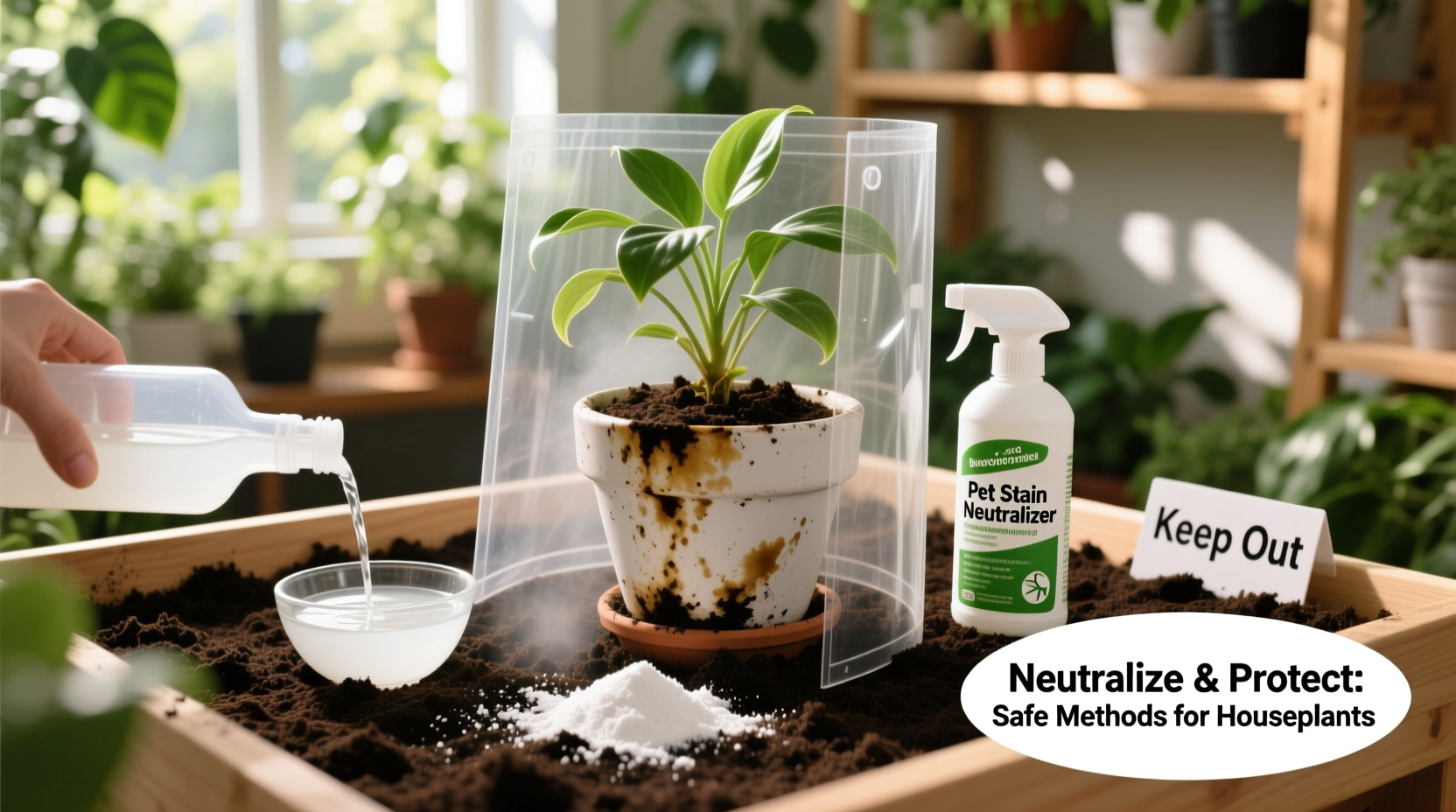
Cat urine is rich in urea, ammonia, and uric acid, all of which can alter the pH of potting soil and release toxic levels of nitrogen when broken down. While small amounts might go unnoticed, repeated exposure leads to yellowing leaves, stunted growth, and root burn. In severe cases, the salts in urine draw moisture away from roots through osmosis, essentially dehydrating the plant. Additionally, the lingering smell attracts cats back to the same spot, reinforcing undesirable behavior.
The porous nature of terracotta pots and organic soil components like peat moss makes them especially prone to absorbing and retaining urine residues. Even after surface cleaning, residual compounds can continue to affect plant health over time. Recognizing early signs—such as a strong ammonia scent near the soil, sudden leaf drop, or white crust forming on the pot’s rim—is key to timely intervention.
Tip: If you catch your cat in the act, gently redirect them to their litter box immediately and avoid scolding, which may increase stress-related marking.Step-by-Step Guide to Neutralizing Cat Urine in Soil
Neutralizing cat urine in houseplant soil requires a methodical approach to eliminate odors, detoxify the medium, and preserve plant viability. Follow these steps carefully:
- Remove the plant from its pot. Gently loosen the root ball and shake off as much contaminated soil as possible without damaging roots.
- Rinse the roots under lukewarm water. Use a gentle stream to wash away urine residue. Avoid hot or cold water, which can shock the plant.
- Inspect and trim damaged roots. Cut away any mushy, dark, or foul-smelling roots with sterilized scissors to prevent rot.
- Replace all old soil. Discard the used potting mix completely—it cannot be safely reused due to absorbed toxins.
- Wash the container. Scrub the pot with warm water and mild dish soap. For non-porous containers (plastic, glazed ceramic), add one part white vinegar to three parts water for disinfection.
- Repot with fresh, well-draining soil. Choose a high-quality potting mix suitable for your plant type. Consider adding activated charcoal to the new soil (about 5–10% by volume) to help absorb future impurities.
- Water thoroughly after repotting. This helps settle the soil and flushes out any remaining traces.
Monitor the plant closely over the next two weeks. Signs of recovery include new growth, improved leaf color, and absence of odor.
Safe and Natural Odor-Neutralizing Agents
Chemical cleaners may eliminate smells temporarily but can leave behind residues harmful to plants and pets. Instead, opt for natural solutions proven to break down uric acid crystals—the primary cause of persistent odor.
- White vinegar and water (1:1 ratio): Effective at neutralizing alkaline ammonia odors. Spray lightly on soil surface (avoiding direct contact with foliage) and allow to air dry before watering.
- Baking soda: Sprinkle a thin layer on topsoil to absorb moisture and odor. Remove after 24 hours to prevent salt buildup.
- Hydrogen peroxide (3% solution): Mix with water (one part peroxide to three parts water) and apply to soil to kill bacteria and break down organic waste. Do not use on delicate plants like ferns or orchids.
- Enzymatic cleaners: Products containing live bacteria and enzymes (e.g., Nature’s Miracle) digest uric acid at a molecular level. Safe for use around pets and plants when applied according to label instructions.
“Enzymatic cleaners are the gold standard for biological odor removal. They don’t mask smells—they eliminate the source.” — Dr. Linda Harper, Veterinary Behaviorist
Preventing Future Incidents: Deterrence and Redirection
Prevention is more effective than remediation. Cats are creatures of habit; once a plant becomes a target, they’re likely to return unless deterred. Use a combination of physical, sensory, and behavioral tactics to protect your greenery.
| Method | How It Works | Effectiveness |
|---|---|---|
| Aluminum foil on soil surface | Cats dislike the texture and sound | High (temporary) |
| Citrus peels or sprays | Strong citrus scent repels cats naturally | Moderate (refresh weekly) |
| Double-pot system (nursery pot inside decorative pot) | Creates physical barrier | High (long-term) |
| Peppermint or eucalyptus essential oil (diluted, placed nearby) | Strong aroma deters without touching plant | Moderate (avoid direct application) |
| Automatic motion-activated air blasters | Startles cat without harm | Very High (behavioral conditioning) |
Mini Case Study: Reviving a Fiddle Leaf Fig After Repeated Urination
Sarah, a cat owner in Portland, noticed her fiddle leaf fig was drooping despite proper light and watering. A faint ammonia smell led her to discover that her male tabby had been using the pot regularly. She removed the plant, rinsed the roots, and replaced all soil. After repotting with a mix containing horticultural charcoal, she wrapped the topsoil in breathable landscape fabric secured with a rubber band—allowing water in but blocking access. She also placed orange rinds around the base and moved the plant to a sunnier shelf. Within three weeks, new buds appeared, and the cat shifted back to his litter box. Sarah credits the combination of physical barriers and scent deterrents for the turnaround.
Essential Prevention Checklist
Use this checklist to safeguard your houseplants from cat urine:
- ✅ Inspect plant soil weekly for dampness or odor
- ✅ Repot immediately if contamination is suspected
- ✅ Use enzymatic cleaner on surrounding floor areas
- ✅ Provide multiple accessible litter boxes (one per cat plus one extra)
- ✅ Keep plants out of high-traffic pet zones or use hanging planters
- ✅ Add deterrents like textured mulch or plastic mats around pots
- ✅ Ensure your cat isn’t avoiding the litter box due to cleanliness or medical issues
Frequently Asked Questions
Can I save a plant that’s been repeatedly urinated on?
Yes, if the root system is still viable. Immediate repotting, root cleaning, and removal of contaminated soil give the best chance of recovery. Monitor for new growth over several weeks.
Are there houseplants that cats naturally avoid?
Some plants have textures or scents cats dislike, such as lavender, rosemary, and lemongrass. However, individual preferences vary. More reliable protection comes from physical barriers rather than plant selection alone.
Is baking soda safe for all houseplants?
In small amounts on the soil surface, yes. But prolonged use can increase soil alkalinity, affecting nutrient availability. Always remove after 24 hours and avoid overuse.
Final Thoughts and Action Plan
Dealing with cat urine in houseplants is a common but solvable challenge. The key lies in swift action to neutralize contaminants, thoughtful repotting practices, and consistent prevention. By understanding both the botanical and behavioral sides of the issue, you can maintain a thriving indoor garden while coexisting peacefully with your feline companion. Healthy plants enhance your home’s air quality and ambiance—don’t let one bad habit compromise your green sanctuary.
🚀 Take action today: Inspect your houseplants, refresh compromised soils, and install one deterrent method. Your plants—and your nose—will thank you.








