Dog water cups are essential tools for pet owners, especially during walks, hikes, or travel. While many are marketed as \"durable,\" their lifespan and hygiene depend heavily on consistent care. Without proper cleaning and maintenance, even the sturdiest cups can harbor bacteria, develop odors, or degrade prematurely. This guide outlines proven strategies to keep your dog’s water cup safe, clean, and functional for years.
Why Regular Cleaning Matters
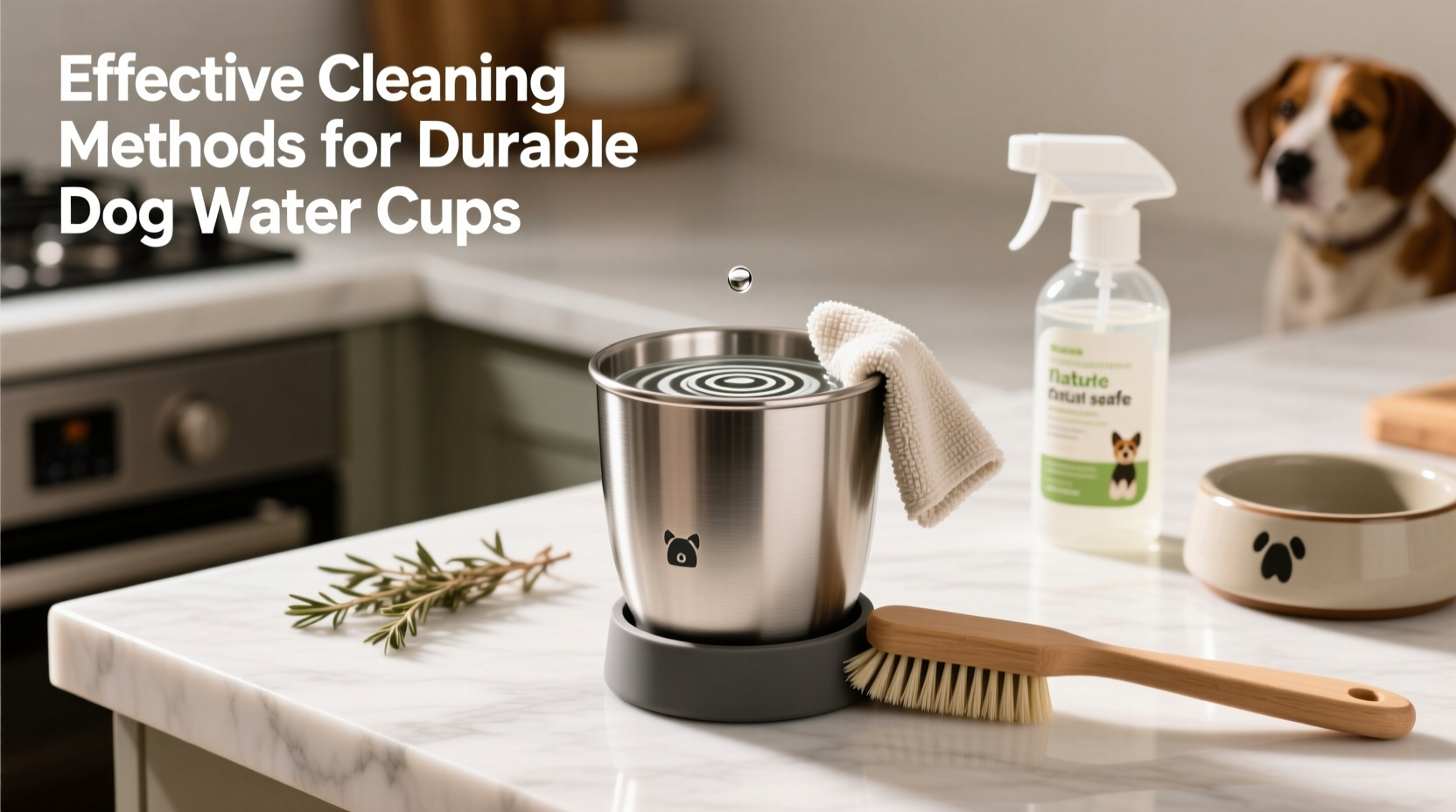
Dogs drink from these cups with saliva, food residue, and sometimes dirt from outdoor environments. Over time, this creates a breeding ground for bacteria like *E. coli* and *Salmonella*. Biofilm—a slimy layer of microorganisms—can form inside crevices, making the cup unsafe even if it looks clean. Regular maintenance not only protects your pet’s health but also preserves the structural integrity of the cup, especially those made from stainless steel, silicone, or BPA-free plastics.
Tip: Rinse the cup immediately after each use to prevent residue buildup.Step-by-Step Cleaning Routine
A consistent cleaning process ensures thorough sanitation. Follow this daily and weekly routine for best results:
- Rinse Immediately After Use: Empty any remaining water and rinse under lukewarm water to remove loose debris.
- Disassemble All Parts: If the cup has a lid, spout, or collapsible ring, take them apart to access hidden areas.
- Wash with Mild Dish Soap: Use a soft sponge or bottle brush to scrub all surfaces. Avoid abrasive pads that can scratch plastic or silicone.
- Sanitize Weekly: Soak in a solution of one part white vinegar to three parts water for 15–30 minutes. Alternatively, use a diluted bleach solution (1 tablespoon unscented bleach per gallon of water) for 5 minutes, followed by thorough rinsing.
- Air Dry Completely: Place components upside down on a clean towel in a well-ventilated area. Never store while damp—moisture promotes mold and mildew.
Material-Specific Care Guidelines
Different materials require tailored approaches. Using the wrong method can damage the cup or reduce its effectiveness. The table below outlines best practices by material type.
| Material | Cleaning Method | Avoid | Lifespan Expectancy with Care |
|---|---|---|---|
| Stainless Steel | Hand wash with soap; sanitize with vinegar or baking soda paste | Harsh detergents, dishwasher (can damage finish) | 5+ years |
| Silicone | Dishwasher-safe (top rack), or hand wash; boil for deep sanitization | Sharp objects, high-heat cooking | 3–5 years |
| BPA-Free Plastic | Hand wash only; avoid prolonged sun exposure | Dishwasher, microwave, abrasive cleaners | 1–2 years |
| Aluminum (coated) | Gentle hand wash; do not submerge coated base | Scratching coating, acidic cleaners | 2–3 years |
Common Maintenance Mistakes to Avoid
- Using a dishwasher for non-dishwasher-safe materials: High heat and strong detergents can warp plastic or degrade silicone seals.
- Storing the cup assembled and damp: Trapped moisture leads to odor and microbial growth.
- Ignoring manufacturer instructions: Some brands specify hand-washing only or advise against certain cleaners.
- Skipping the sanitizing step: Soap removes visible grime, but sanitization kills pathogens invisible to the eye.
Real Example: A Hiking Enthusiast’s Experience
Jamie, an avid hiker from Colorado, used a collapsible silicone dog cup on every trail. After six months, she noticed a persistent musty smell despite regular washing. Upon disassembling the cup, she found biofilm buildup in the seam between the silicone body and the plastic base. She switched to a weekly vinegar soak and began air-drying each component separately. Within two weeks, the odor disappeared. Now, she rotates two cups to allow full drying time and inspects them monthly. Her current cup has lasted over four years—twice the average lifespan reported by other owners.
Expert Insight on Pet Product Hygiene
“Pet feeding accessories are often overlooked in home hygiene routines, yet they can carry more bacteria than toilet seats. Regular disassembly, deep cleaning, and complete drying are non-negotiable for safety.” — Dr. Lena Torres, DVM, Veterinary Preventive Medicine Specialist
Checklist: Weekly Maintenance for Dog Water Cups
Use this checklist to stay on track:
- ☑ Rinse cup after each use
- ☑ Wash with mild soap and soft brush at least twice a week
- ☑ Disassemble and inspect for residue or wear
- ☑ Sanitize once a week using vinegar or approved disinfectant
- ☑ Air dry completely before storing
- ☑ Inspect for cracks, warping, or seal degradation monthly
- ☑ Replace if any component is damaged or cannot be fully cleaned
Frequently Asked Questions
Can I use dish soap on all types of dog water cups?
Yes, but only mild, fragrance-free dish soap. Avoid heavy degreasers or citrus-based soaps, which can degrade silicone or leave residues harmful to pets.
How often should I replace my dog’s water cup?
Replace when you notice cracks, cloudiness (in plastic), persistent odors after cleaning, or difficulty disassembling parts. With proper care, stainless steel cups can last five years or more; silicone and plastic typically need replacement sooner.
Is boiling safe for cleaning dog water cups?
Boiling is safe for silicone and stainless steel components—but only if they contain no glued parts or plastic inserts. Always check the manufacturer’s guidelines first. Boil for 5 minutes, then cool and air dry.
Extending Longevity Through Smart Habits
Long-term durability isn’t just about cleaning—it’s also about usage and storage. Keep cups out of direct sunlight when not in use, as UV rays can weaken plastics and discolor silicone. Store in a breathable fabric pouch rather than a sealed plastic bag to allow airflow. When traveling, use a dedicated compartment to prevent crushing or contamination from snacks and gear.
Additionally, consider rotating between two cups. While one is in use, the other can undergo a full drying and inspection cycle. This reduces wear and ensures you always have a clean backup ready.
Conclusion: Prioritize Health and Durability Together
Cleaning and maintaining a durable dog water cup is a small effort with significant returns. It safeguards your pet from illness, maximizes the value of your purchase, and supports sustainable pet ownership by reducing waste. By integrating simple habits—rinsing promptly, sanitizing weekly, and storing correctly—you ensure every sip your dog takes is safe and fresh.
💬 Start today: Take your dog’s current water cup apart, inspect it closely, and give it a deep clean. Share your experience or tips with fellow pet owners to promote healthier habits across the community.








