Fleas are more than just a nuisance—they’re persistent pests that can compromise the comfort and health of both pets and humans. Once they infiltrate a home, they reproduce rapidly, turning carpets, furniture, and pet bedding into breeding grounds. Eliminating them requires a strategic, multi-pronged approach that targets all life stages: eggs, larvae, pupae, and adults. While over-the-counter sprays may offer temporary relief, long-term success depends on thoroughness, consistency, and the right combination of tools and techniques.
Understanding the Flea Life Cycle
To effectively remove fleas, it’s essential to understand their biology. The average flea life cycle spans 14 to 36 days, depending on temperature and humidity, and includes four stages:
- Eggs: Laid on pets but fall off into the environment—carpets, cracks in flooring, baseboards.
- Larvae: Hatch within 1–10 days and feed on organic debris and adult flea feces.
- Pupae: Larvae spin cocoons and enter a dormant stage, which can last weeks or even months, making them resistant to most treatments.
- Adults: Emerge when triggered by heat, vibration, or carbon dioxide (like from a passing host).
This lifecycle explains why treating only adult fleas is ineffective. Without targeting eggs and larvae, reinfestation is inevitable.
Tip: Vacuum daily during treatment to stimulate pupae to emerge, making them vulnerable to insecticides.Step-by-Step Guide to Eradicating Fleas
A successful flea elimination plan unfolds in phases. Rushing or skipping steps often leads to failure. Follow this timeline for optimal results:
- Day 1: Deep Clean & Isolate
Remove all washable items—pet bedding, throw rugs, curtains—and launder in hot water. Vacuum every surface: floors, furniture, under cushions, along baseboards. Immediately dispose of the vacuum bag or empty the canister into a sealed plastic bag and discard outdoors. - Day 2: Apply Insect Growth Regulators (IGRs)
Use an IGR spray (such as methoprene or pyriproxyfen) on carpets, upholstery, and pet areas. These chemicals disrupt flea development, preventing eggs and larvae from maturing. - Days 3–7: Treat Pets with Veterinary-Approved Products
Apply topical treatments (e.g., Frontline, Advantage) or oral medications (e.g., Capstar, NexGard). Never use dog products on cats—some ingredients are toxic. - Week 2: Reapply Environmental Treatments
Spray residual insecticides containing active ingredients like imidacloprid or fipronil. Focus on high-traffic pet zones and dark, undisturbed areas. - Week 3–4: Monitor and Maintain
Continue daily vacuuming. Use flea traps (lamps over sticky pads) to catch emerging adults. Reassess if bites persist.
“Fleas thrive in neglected corners and warm microclimates. Success isn’t about one powerful spray—it’s about sustained pressure across their entire lifecycle.” — Dr. Linda Chen, DVM, Parasitology Specialist
Top Tools and Products for Flea Removal
Not all flea control tools are created equal. Some provide quick knockdown, while others offer long-term prevention. Below is a comparison of reliable options:
| Tool/Product | Best For | Effectiveness | Notes |
|---|---|---|---|
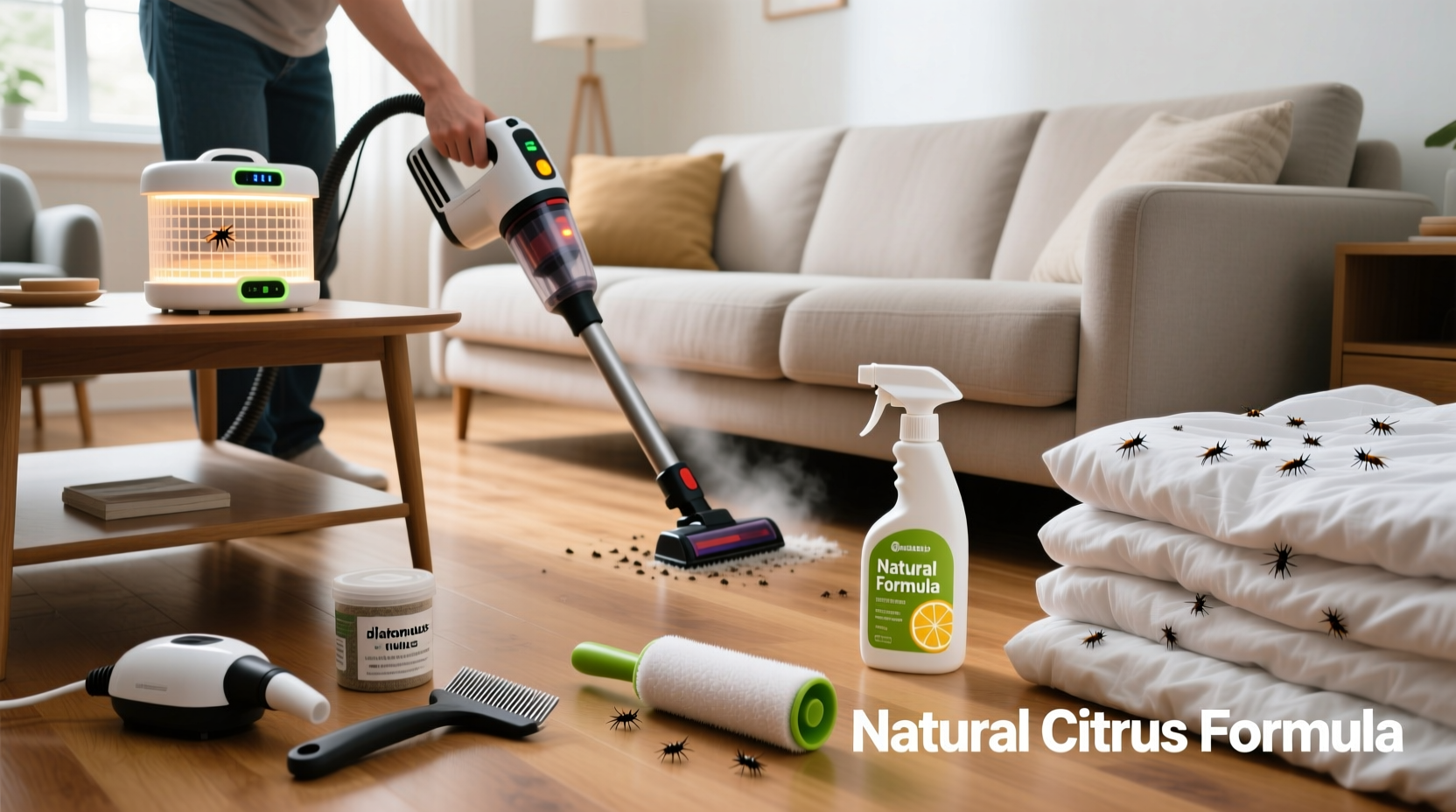
| Vacuum Cleaner (HEPA filter) | Removing eggs, larvae, and adult fleas | High (with daily use) | Immediate impact; disrupts cocoon environments |
| Insect Growth Regulators (IGRs) | Breaking reproductive cycle | Very High (long-term) | Safe around pets and children when used as directed |
| Diatomaceous Earth (Food Grade) | Drying out larvae and adults | Moderate | Apply thinly; avoid inhalation; non-toxic |
| Flea Traps (Light-Based) | Monitoring infestation levels | Low (standalone), High (diagnostic) | Use to confirm eradication post-treatment |
| Veterinary Prescription Topicals | Killing adult fleas on pets | Very High | Most effective; consult vet before use |
Common Mistakes That Prolong Infestations
Even well-intentioned homeowners often make errors that allow fleas to persist. Avoid these pitfalls:
- Treating only pets and not the environment: Up to 95% of the flea population exists off the animal.
- Using homemade remedies exclusively: Vinegar, essential oils, or dish soap baths lack residual effect and don’t penetrate deep into carpets.
- Skipping vacuuming after treatment: Disturbing carpets activates pupae, increasing exposure to insecticides.
- Reusing old pet bedding: Even cleaned bedding may harbor microscopic eggs if not sanitized at high temperatures.
- Stopping treatment too early: Flea pupae can remain dormant for up to 5 months. Treatment must continue for at least 3–4 weeks.
Real-World Example: A Persistent Infestation Resolved
The Thompson family in Portland adopted a rescue cat without realizing she carried fleas. Within two weeks, bites appeared on their toddler, and fleas were seen jumping on rugs. They tried store-bought foggers with no lasting effect. After consulting a pest control specialist, they implemented a structured plan:
- Washed all linens and stuffed animals in boiling water.
- Vacuumed twice daily for 10 days, sealing and discarding contents immediately.
- Applied an IGR spray to all carpeted areas and treated the cat with a vet-prescribed topical.
- Used diatomaceous earth lightly along baseboards and under furniture.
By day 21, no new fleas were observed. A light-based flea trap placed in the living room caught only three fleas in week four, confirming near-complete eradication. The family continued weekly vacuuming for another month as a precaution.
Essential Checklist for Flea Removal
Follow this actionable checklist to ensure no step is missed:
- ✅ Inspect pets for signs of scratching or flea dirt (black specks that turn red when wet).
- ✅ Wash all pet bedding, blankets, and soft toys in hot water (above 130°F).
- ✅ Vacuum all floors, furniture, and car interiors—focus on crevices and under furniture.
- ✅ Discard vacuum contents in sealed bags, preferably outside the home.
- ✅ Apply an IGR product to carpets and upholstery.
- ✅ Treat all pets with veterinarian-approved flea medication.
- ✅ Repeat environmental treatment after 7–10 days.
- ✅ Monitor with a DIY flea trap (lamp over sticky paper) for 2–3 weeks.
- ✅ Maintain regular vacuuming for at least 30 days post-treatment.
- ✅ Schedule a vet check-up to rule out secondary infections or flea allergy dermatitis.
Frequently Asked Questions
Can fleas survive in a vacant home?
Yes. Flea pupae can remain dormant for up to 5 months without a blood meal. If a home is left unoccupied, fleas may stay in cocoons until vibrations or warmth signal a potential host’s return.
Are natural remedies like lemon spray or rosemary effective?
These may repel adult fleas temporarily but do not kill eggs or larvae. They should never replace proven treatments but can complement them in low-risk areas.
How do I prevent fleas from coming back?
Year-round use of vet-recommended flea preventatives for pets, combined with seasonal deep cleaning and monitoring, is the best defense. Keep grass trimmed and discourage stray animals from entering your yard.
Conclusion: Take Control of Your Home Environment
Eliminating fleas isn’t about finding a single magic solution—it’s about creating an environment where fleas cannot survive. Consistent cleaning, targeted chemical interventions, and responsible pet care form the foundation of lasting success. Flea infestations are stressful, but with the right knowledge and tools, they are entirely manageable. Start today: vacuum, treat, and protect. Your home and pets deserve peace from these relentless pests.
💬 Have a flea-fighting tip that worked for you? Share your experience in the comments and help others reclaim their homes.








