Dogs are vulnerable to internal parasites, especially intestinal worms such as roundworms, hookworms, tapeworms, and whipworms. While veterinary treatment is essential for severe infestations, many pet owners seek safe, natural, and accessible ways to support their dog’s recovery at home. When used responsibly and in conjunction with professional care, certain home treatments can help reduce worm burdens, improve gut health, and prevent reinfestation. This guide explores evidence-backed, practical methods that prioritize your dog’s well-being while empowering you with knowledge to act confidently.
Understanding Common Dog Worms and Their Symptoms
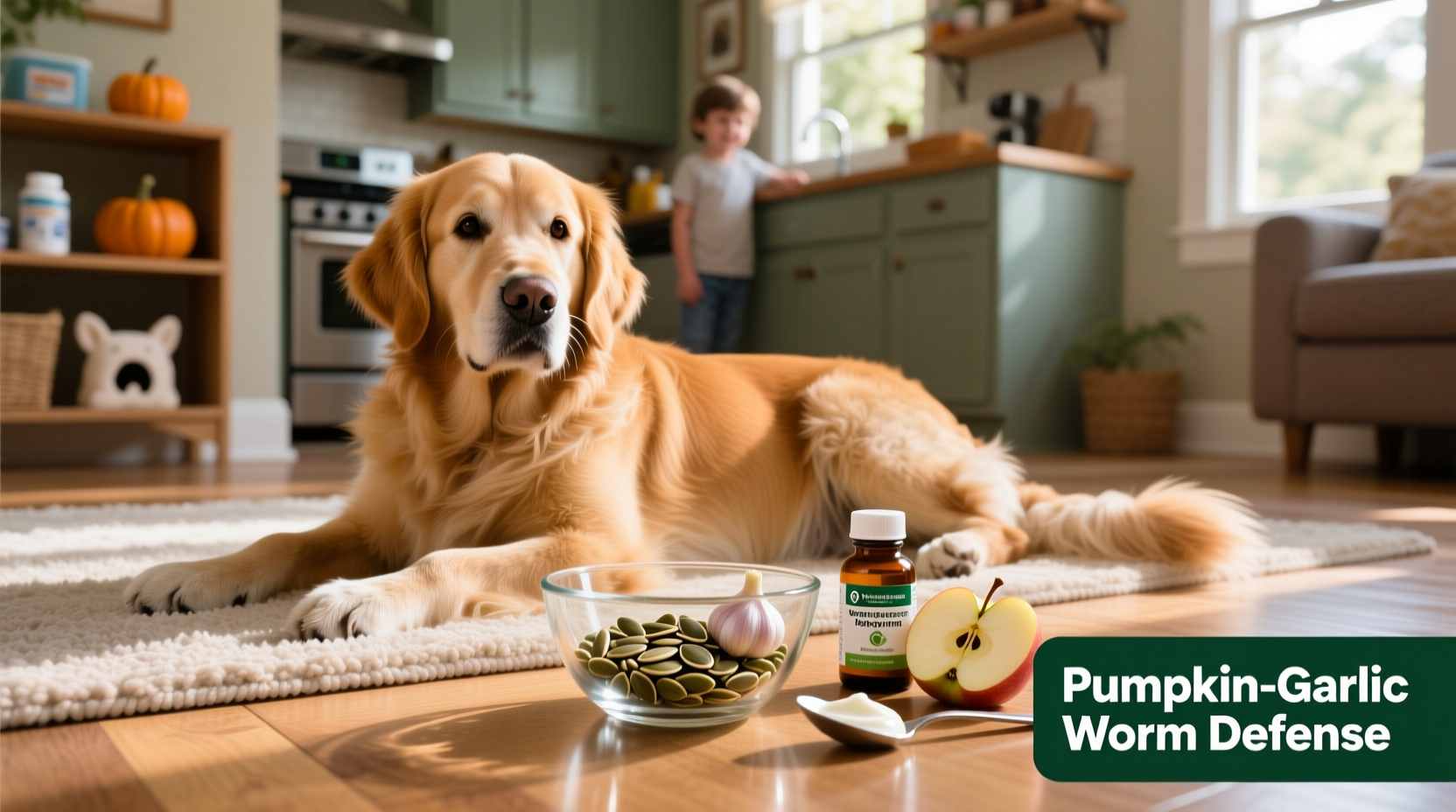
Before attempting any home remedy, it's crucial to recognize the types of worms commonly affecting dogs and the signs they cause. The most prevalent include:
- Roundworms: Resemble spaghetti; often found in feces or vomit. Puppies are especially susceptible.
- Hookworms: Tiny, blood-feeding parasites that can lead to anemia and weight loss.
- Tapeworms: Segmented worms contracted from fleas or raw meat; segments look like rice grains near the tail.
- Whipworms: Cause chronic diarrhea and inflammation in the large intestine.
Symptoms may include a pot-bellied appearance, dull coat, lethargy, diarrhea (sometimes with blood), vomiting, weight loss despite normal appetite, and scooting the rear on the floor.
“While some natural substances show anti-parasitic properties, they should never replace diagnosis and prescription dewormers when needed.” — Dr. Lena Reyes, DVM, Small Animal Internal Medicine Specialist
Natural Ingredients with Anti-Parasitic Properties
Several foods and herbs have demonstrated mild anthelmintic (worm-expelling) effects in animals. These should be viewed as supportive measures—not cures—but can complement conventional treatment.
Pumpkin Seeds: A Gentle Deworming Aid
Raw, unsalted pumpkin seeds contain cucurbitacin, an amino acid that paralyzes worms, making them easier to expel. Grind the seeds and mix into your dog’s food.
Tip: Use 1 teaspoon per 10 pounds of body weight daily for 3–5 days. Do not exceed recommended amounts.Coconut Oil: Supports Gut Health and Immunity
Coconut oil contains lauric acid, which converts to monolaurin—a compound known to combat parasites. It also soothes irritated intestines and improves coat condition.
Add ¼ to ½ teaspoon per 10 lbs of body weight to meals once daily. Start slowly to avoid digestive upset.
Papaya and Papain Enzyme
Papaya contains papain, an enzyme that may disrupt parasite digestion and adhesion in the gut. Fermented or dried papaya powder is more effective than fresh fruit due to higher enzyme concentration.
Mix a small amount (¼ tsp for small dogs, up to 1 tsp for large breeds) into food every other day for one week.
Step-by-Step Home Protocol for Mild Worm Cases
If your dog shows early signs of worms but is otherwise healthy, consider this 7-day supportive protocol. Note: Always consult your vet before starting any regimen, especially in puppies, pregnant dogs, or pets with underlying conditions.
- Day 1–2: Begin with plain boiled chicken and rice to soothe the digestive tract. Add ½ tsp coconut oil per 20 lbs of body weight.
- Day 3: Introduce ground pumpkin seeds at the appropriate dosage based on weight.
- Day 4–5: Continue pumpkin seeds and add fermented papaya powder or probiotic supplement to encourage healthy gut flora.
- Day 6: Monitor stool consistency and energy levels. If no improvement, discontinue and contact your veterinarian.
- Day 7: Transition back to regular diet gradually. Clean all bedding, toys, and outdoor areas where feces may linger.
Do’s and Don’ts of Home Worm Management
| Do’s | Don’ts |
|---|---|
| Wash hands after handling dog waste | Use human medications like albendazole without vet approval |
| Clean outdoor play areas weekly | Feed raw meat or offal during active infection |
| Use food-grade diatomaceous earth (in moderation) | Give garlic or onion—even in small doses |
| Support immunity with probiotics and omega-3s | Delay vet visits if symptoms worsen |
Real Example: Managing a Mild Roundworm Case at Home
Sarah, a dog owner in Oregon, noticed her 8-month-old terrier, Milo, had loose stools and seemed less energetic. After a vet confirmed mild roundworm presence via fecal exam, she was advised that the case wasn’t severe enough for immediate medication but required monitoring.
Following her vet’s guidance, Sarah implemented a two-week plan: feeding boiled chicken and rice initially, adding pumpkin seed powder and coconut oil, and using food-grade diatomaceous earth. She cleaned Milo’s bedding daily and prevented him from eating soil or feces during walks.
By day 14, Milo’s stool had normalized, his coat looked shinier, and a follow-up fecal test showed no detectable worms. The vet credited the improvement to supportive nutrition and hygiene, emphasizing that early intervention made the difference.
Essential Preventive Checklist
Preventing worm infestations is far more effective than treating them. Use this checklist to minimize risk year-round:
- ✅ Pick up dog waste immediately in yard or on walks
- ✅ Schedule biannual fecal exams with your veterinarian
- ✅ Administer monthly heartworm preventatives (many also cover intestinal worms)
- ✅ Avoid letting your dog drink from stagnant puddles or eat dead animals
- ✅ Wash pet bedding weekly in hot water
- ✅ Treat fleas promptly—tapeworms spread through flea ingestion
- ✅ Keep kennels and outdoor areas dry and clean
Frequently Asked Questions
Can I completely treat dog worms at home without going to the vet?
No. While certain natural methods can reduce mild worm loads, they cannot reliably eliminate all species or stages of parasites. Prescription dewormers are necessary for complete eradication, especially in young, old, or immunocompromised dogs.
Is apple cider vinegar effective against dog worms?
There is limited scientific evidence supporting ACV as a dewormer. However, small amounts (1 tsp per 20 lbs diluted in water) may improve gut acidity and discourage parasite colonization. Never give undiluted ACV, and avoid it in dogs with sensitive stomachs.
How long does it take to get rid of worms naturally?
Natural approaches may take 2–4 weeks to show effects, but results vary widely. Some worms, like tapeworms, require specific medications targeting their lifecycle. Delaying proper treatment can lead to complications like malnutrition or intestinal blockage.
Conclusion: Take Action Safely and Responsibly
Home treatments for dog worms can play a supportive role in maintaining your pet’s digestive health and reducing reliance on chemicals when appropriate. However, responsible pet ownership means knowing the limits of natural remedies and seeking professional help when needed. By combining safe dietary supports, rigorous hygiene, and regular veterinary checkups, you create a holistic defense against parasites.
💬 Your dog’s health matters—share your experience! Have you used natural methods alongside vet care? Leave a comment below to help fellow pet owners make informed choices.








