
Tear stains—those reddish-brown streaks beneath a dog’s eyes—are common in breeds with light-colored fur, such as Maltese, Shih Tzus, Poodles, and Bichon Frises. While not usually painful, they can signal underlying health concerns and affect your pet’s appearance. Many commercial products contain bleaching agents or preservatives that may irritate sensitive skin. Fortunately, safe and natural solutions exist. This guide combines time-tested home remedies with veterinarian-backed strategies to help you reduce and prevent tear staining effectively.
Understanding Tear Stains: Causes and Concerns
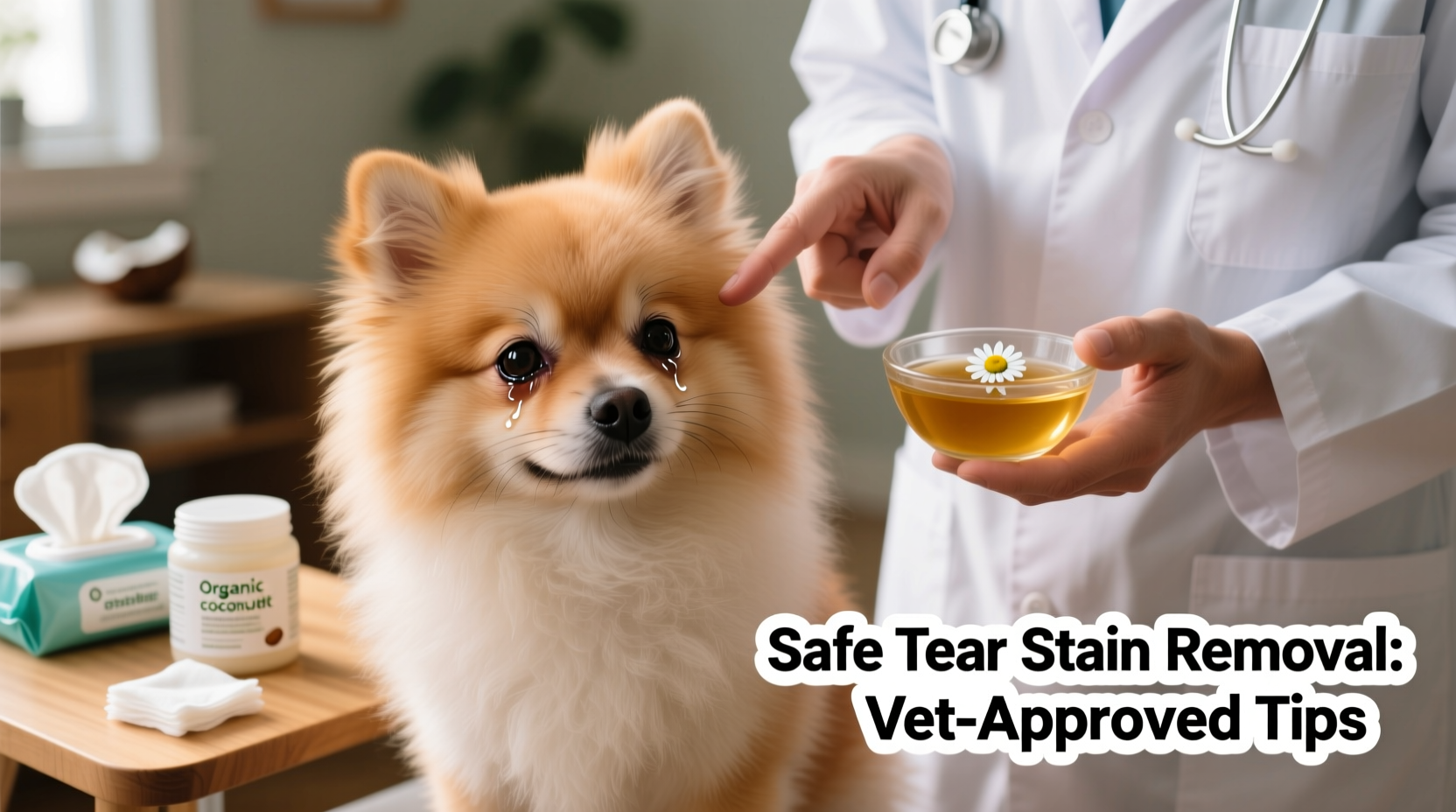
Tear staining occurs when excessive tearing (epiphora) leads to moisture buildup around the eyes. The reddish discoloration comes from porphyrins—molecules containing iron—that are naturally present in tears. When exposed to air, they oxidize and turn dark. While occasional tearing is normal, persistent staining may indicate:
- Blocked or narrow tear ducts
- Allergies (food, environmental, or shampoo-related)
- Ingrown eyelashes or eye irritation
- Corneal scratches or infections
- Poor diet with fillers and artificial ingredients
- Hard water high in minerals like iron and magnesium
Before attempting any remedy, rule out medical issues. A veterinary ophthalmic exam ensures your dog isn’t suffering from an infection or anatomical defect.
Tip: Check your dog’s eyes daily for redness, swelling, or discharge. Persistent wetness warrants a vet visit.Vet-Approved Home Remedies That Work
When used correctly, several natural methods can gently break down porphyrins and discourage bacterial growth that worsens staining. These remedies prioritize safety and long-term wellness over quick fixes.
1. Distilled Water and Wiping Routine
Tap water often contains minerals that contribute to staining. Switching to distilled water for drinking eliminates this factor. Combine this with a daily facial wipe using a soft cloth dampened with distilled water to keep the area dry and clean.
2. Coconut Oil Application
Organic, unrefined coconut oil has mild antimicrobial properties. Dab a small amount on a cotton ball and gently wipe the stained fur. Avoid getting oil into the eyes. Do this once daily to condition the coat and reduce bacterial buildup.
3. Diluted Apple Cider Vinegar (Internal Use Only)
Adding a small amount of raw, unfiltered apple cider vinegar (ACV) to your dog’s water may alter body pH slightly, making tears less conducive to staining. For small dogs, use 1/4 teaspoon per cup of water; medium dogs, 1/2 teaspoon; large dogs, up to 1 teaspoon. Never exceed these amounts, and discontinue if your dog shows reluctance to drink.
“While ACV is popular, it’s not suitable for every dog—especially those with kidney issues or acid reflux. Always consult your vet before introducing supplements.” — Dr. Lena Torres, DVM, Canine Wellness Specialist
4. Chamomile Tea Compresses
Brew cooled, unsweetened chamomile tea and use it as a gentle eye rinse. Soak a cotton pad and wipe from the inner to outer corner of the eye. Chamomile soothes irritation and has mild antiseptic qualities. Use once daily.
Step-by-Step Guide to Daily Tear Stain Maintenance
Consistency is key. Follow this routine to see visible improvement within 2–4 weeks:
- Morning: Gently wipe the eye area with a soft cloth dampened with distilled water.
- Diet Check: Ensure your dog is eating a high-quality, grain-free food free of artificial dyes and fillers.
- Water Bowl: Refill with fresh distilled water twice daily.
- Evening: Apply a small dab of coconut oil to stained fur (avoid eyes).
- Weekly: Trim hair around the eyes to reduce moisture retention.
What to Avoid: Common Mistakes That Worsen Tear Stains
Some widely circulated “cures” can do more harm than good. Steer clear of these practices:
| Do’s | Don’ts |
|---|---|
| Use distilled or filtered water | Give tap water high in iron or chlorine |
| Clean face daily with soft cloths | Use human makeup wipes or alcohol-based cleaners |
| Feed premium, limited-ingredient diets | Feed foods with corn, soy, or artificial colors |
| Trim eye-area hair regularly | Allow long fur to trap moisture and debris |
| Consult your vet for chronic staining | Use Tylosin or other antibiotics without prescription |
One of the most dangerous trends is the misuse of Tylosin powder—an antibiotic sometimes added to food for cosmetic purposes. Long-term use promotes antibiotic resistance and gut imbalance. It should only be administered under veterinary supervision for diagnosed infections.
Real Example: Bella the Maltese’s Turnaround
Bella, a 3-year-old Maltese from Portland, had severe tear stains despite regular grooming. Her owner tried multiple commercial wipes with no lasting success. After consulting a vet, they discovered Bella was allergic to chicken byproducts in her kibble. Switching to a novel-protein diet (duck and sweet potato), using distilled water, and implementing a daily coconut oil regimen reduced her staining by 70% in six weeks. Trimming the fur around her eyes also prevented trapped moisture. The transformation was gradual but sustainable—without harsh chemicals or side effects.
Essential Checklist for Tear Stain Prevention
Use this checklist weekly to maintain progress:
- ☑ Provide distilled or filtered drinking water
- ☑ Wipe face at least once daily with a soft, damp cloth
- ☑ Inspect eyes for redness, swelling, or discharge
- ☑ Feed a high-quality, grain-free, dye-free diet
- ☑ Trim hair around the eyes every 1–2 weeks
- ☑ Clean food and water bowls daily with mild soap
- ☑ Avoid plastic bowls (use stainless steel or ceramic instead)
- ☑ Schedule annual vet checkups including eye examination
Frequently Asked Questions
Are tear stains painful for dogs?
Not directly, but the underlying cause—such as an infection or ingrown eyelash—can be uncomfortable. Chronic moisture can also lead to skin irritation and yeast overgrowth.
Can I use baby shampoo to clean tear stains?
No. Most baby shampoos contain fragrances and surfactants that can irritate sensitive eye areas. Stick to plain distilled water or vet-recommended ocular cleansers.
How long does it take for home remedies to work?
Results vary, but most owners notice improvement within 2–3 weeks of consistent care. Complete fading may take 6–8 weeks as stained fur grows out and is groomed away.
Final Thoughts: Prioritize Health Over Aesthetics
Tear stains are more than a cosmetic issue—they’re a clue. Addressing them effectively means looking beyond surface treatments and focusing on overall wellness. Clean water, proper nutrition, and gentle hygiene form the foundation of a stain-free, healthy dog. When in doubt, partner with your veterinarian to create a safe, personalized plan. With patience and care, you can support your dog’s comfort and confidence—naturally.
💬 Have a tear-stain success story or a question? Share your experience below and help fellow dog owners find safe, effective solutions.








