Dog owners know the distress of seeing their pet scratch, lick, or chew incessantly. Itchy skin—medically known as pruritus—is one of the most common complaints in veterinary medicine. While occasional scratching is normal, persistent itching can signal underlying health issues ranging from allergies to parasites. Left untreated, it can lead to secondary infections, hair loss, and significant discomfort. The good news is that many cases can be managed effectively with a combination of gentle home remedies and professional veterinary guidance.
This article explores practical, safe, and vet-backed strategies to relieve your dog’s itchy skin. From natural solutions you can try at home to signs that warrant an urgent vet visit, this guide offers a comprehensive approach to restoring your dog’s comfort and skin health.
Understanding the Causes of Itchy Skin in Dogs
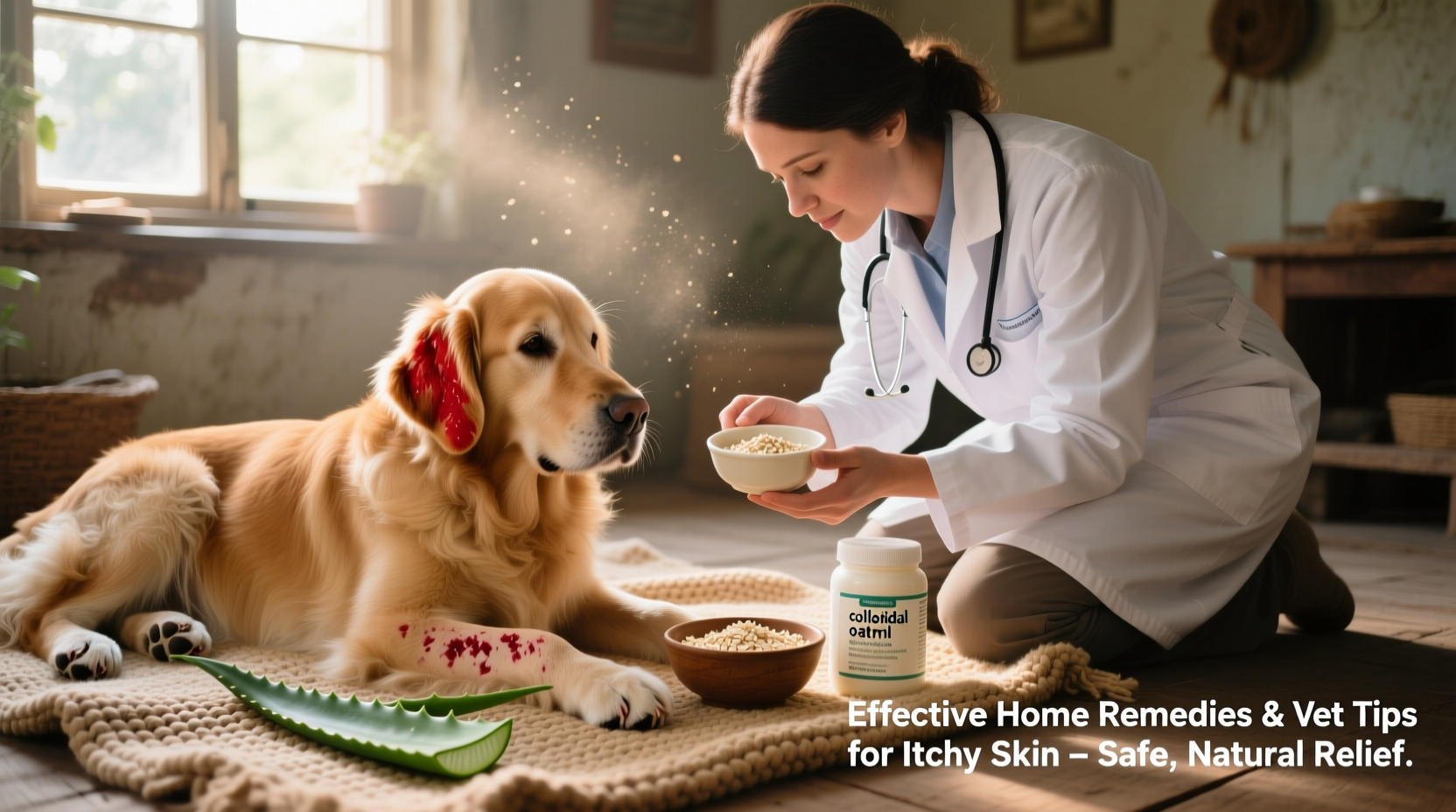
Before treating symptoms, it’s crucial to understand what might be causing the itch. Common triggers include:
- Allergies: Environmental allergens (pollen, dust mites), food sensitivities (beef, chicken, grains), or flea saliva.
- Parasites: Fleas, ticks, mites (such as those causing mange), and lice are frequent culprits.
- Infections: Bacterial or yeast overgrowth often develops in inflamed or broken skin.
- Dry skin: Especially common in winter or in low-humidity environments.
- Hormonal imbalances: Conditions like hypothyroidism can manifest through skin issues.
Because the root cause determines the best treatment, identifying patterns—such as seasonal flare-ups or reactions after eating certain foods—can help narrow down possibilities.
Tip: Keep a symptom journal noting when itching occurs, which areas are affected, and any changes in diet or environment.Safe and Effective Home Remedies
While not all causes of itchy skin can be resolved at home, several natural treatments can offer relief while you investigate the underlying issue.
Oatmeal Baths
Colloidal oatmeal has long been used to soothe irritated skin in both humans and animals. It contains compounds that reduce inflammation and restore moisture.
To prepare a soothing bath, grind plain, unflavored oats into a fine powder and mix with lukewarm water. Let your dog soak for 10–15 minutes, then rinse gently. Avoid getting water in the ears.
Coconut Oil Application
Organic, virgin coconut oil has antimicrobial and moisturizing properties. Applied topically, it can help hydrate dry patches and reduce minor irritation.
Use sparingly: dab a small amount onto affected areas once daily. Be cautious if your dog tends to lick excessively, as ingesting large amounts may cause digestive upset.
Aloe Vera Gel (Pet-Safe Only)
Pure aloe vera gel—free of alcohol and additives—can cool inflamed skin. Ensure the product is labeled safe for pets, as some commercial gels contain ingredients toxic to dogs.
Apply a thin layer to red or raw spots twice daily. Monitor for licking and consider using an Elizabethan collar if needed.
Apple Cider Vinegar Spray
A diluted solution (1:1 ratio of raw, unfiltered apple cider vinegar and water) can help balance skin pH and deter bacterial or fungal growth.
Spray lightly on itchy areas—avoiding open wounds or eyes—or use as a paw dip after walks to remove allergens. Use no more than twice weekly.
“Topical remedies like oatmeal and coconut oil are excellent supportive tools, but they’re not substitutes for diagnosing the root cause.” — Dr. Lena Patel, DVM, Board-Certified Veterinary Dermatologist
Veterinary-Approved Strategies for Long-Term Relief
When home care isn’t enough, veterinary intervention becomes essential. A vet can perform diagnostic tests such as skin scrapings, blood work, or allergy panels to pinpoint the cause.
Medicated Shampoos and Topicals
Vets often recommend medicated shampoos containing chlorhexidine, miconazole, or ketoconazole to treat infections. These should be used according to a prescribed schedule, typically every 3–7 days initially.
Flea and Parasite Control
Even one flea bite can trigger intense itching in sensitive dogs. Use vet-recommended monthly preventatives year-round, even indoors. Options include topical treatments, oral medications, and collars.
Prescription Diets and Elimination Trials
If food allergies are suspected, your vet may suggest an elimination diet using novel proteins (like duck or venison) or hydrolyzed formulas. This process lasts 8–12 weeks and requires strict adherence—no treats or table scraps.
Immunotherapy and Antihistamines
For environmental allergies, immunotherapy (allergy shots or drops) can gradually desensitize the immune system. Antihistamines like cetirizine may provide mild relief, though effectiveness varies by dog.
Tip: Never administer human medications without consulting your vet—some, like diphenhydramine, require precise dosing.Step-by-Step Guide to Managing Your Dog’s Itchy Skin
- Observe and Document: Note when itching occurs, which body parts are affected, and any recent changes in diet, grooming products, or environment.
- Check for Fleas: Use a flea comb and inspect for black specks (flea dirt) near the tail and back.
- Begin Gentle Home Care: Start with an oatmeal bath and apply coconut oil to dry areas.
- Eliminate Triggers: Switch to hypoallergenic laundry detergent for bedding, vacuum frequently, and avoid grassy areas during high pollen seasons.
- Schedule a Vet Visit: If itching persists beyond 48 hours or worsens, seek professional evaluation.
- Follow Treatment Plan: Administer prescribed medications, stick to dietary trials, and attend follow-up appointments.
Do’s and Don’ts: What to Avoid When Treating Itchy Skin
| Do’s | Don’ts |
|---|---|
| Use lukewarm water for baths | Use hot water—it can further dry and irritate skin |
| Brush your dog regularly to distribute natural oils | Shave your dog unless advised by a vet—this can worsen sun exposure and irritation |
| Wash bedding weekly in fragrance-free detergent | Use scented sprays or human lotions on your dog |
| Trim nails to reduce skin damage from scratching | Allow prolonged licking or chewing without intervention |
| Monitor diet and treats for potential allergens | Introduce multiple new foods at once during an elimination trial |
Real-Life Example: Max’s Allergy Journey
Max, a 3-year-old Golden Retriever, began scratching his paws and ears constantly each spring. His owner tried over-the-counter sprays and antihistamines with little success. After a vet visit, skin testing revealed allergies to tree pollen and grass. Max started a course of immunotherapy and was given a prescription shampoo for weekly use. His owner also began wiping his paws with a damp cloth after outdoor play and switched to an air purifier at home. Within three months, Max’s itching decreased by over 70%, and his coat regained its shine.
This case illustrates how combining diagnostics, vet-prescribed treatments, and consistent home care leads to lasting improvement.
Frequently Asked Questions
Can I use human anti-itch creams on my dog?
No. Many human creams contain steroids, fragrances, or chemicals like zinc oxide that can be toxic if ingested. Always use pet-specific products approved by your veterinarian.
How long does it take for a food trial to show results?
A proper elimination diet takes 8 to 12 weeks. Improvement may be seen as early as 4 weeks, but full assessment requires completing the trial without deviations.
Is itchy skin ever an emergency?
Yes. Seek immediate care if your dog shows signs of severe infection (oozing sores, foul odor), swelling, lethargy, or widespread hives. These could indicate a systemic reaction requiring urgent treatment.
Conclusion: Prioritize Comfort and Consistency
Itchy skin in dogs is more than just a nuisance—it’s a signal that something is off. While home remedies like oatmeal baths and coconut oil offer temporary relief, long-term healing depends on accurate diagnosis and consistent care. Partnering with your veterinarian ensures your dog receives targeted treatment, whether for allergies, infections, or parasitic infestations.
By combining gentle, natural approaches with professional medical insight, you can significantly improve your dog’s quality of life. Start today by observing patterns, eliminating environmental irritants, and scheduling a check-up if symptoms persist.
💬 Your dog’s comfort matters. Share your experiences or questions in the comments below—your story might help another pet parent find relief for their furry friend.








