Dog ear infections are common but uncomfortable, often causing head shaking, scratching, redness, and foul odors. Left untreated, they can lead to chronic pain or hearing loss. While veterinary care is essential for proper diagnosis and treatment, certain home remedies—when used correctly—can provide relief and support healing. This guide combines practical at-home strategies with veterinarian-backed insights to help you act fast and effectively.
Understanding Canine Ear Infections
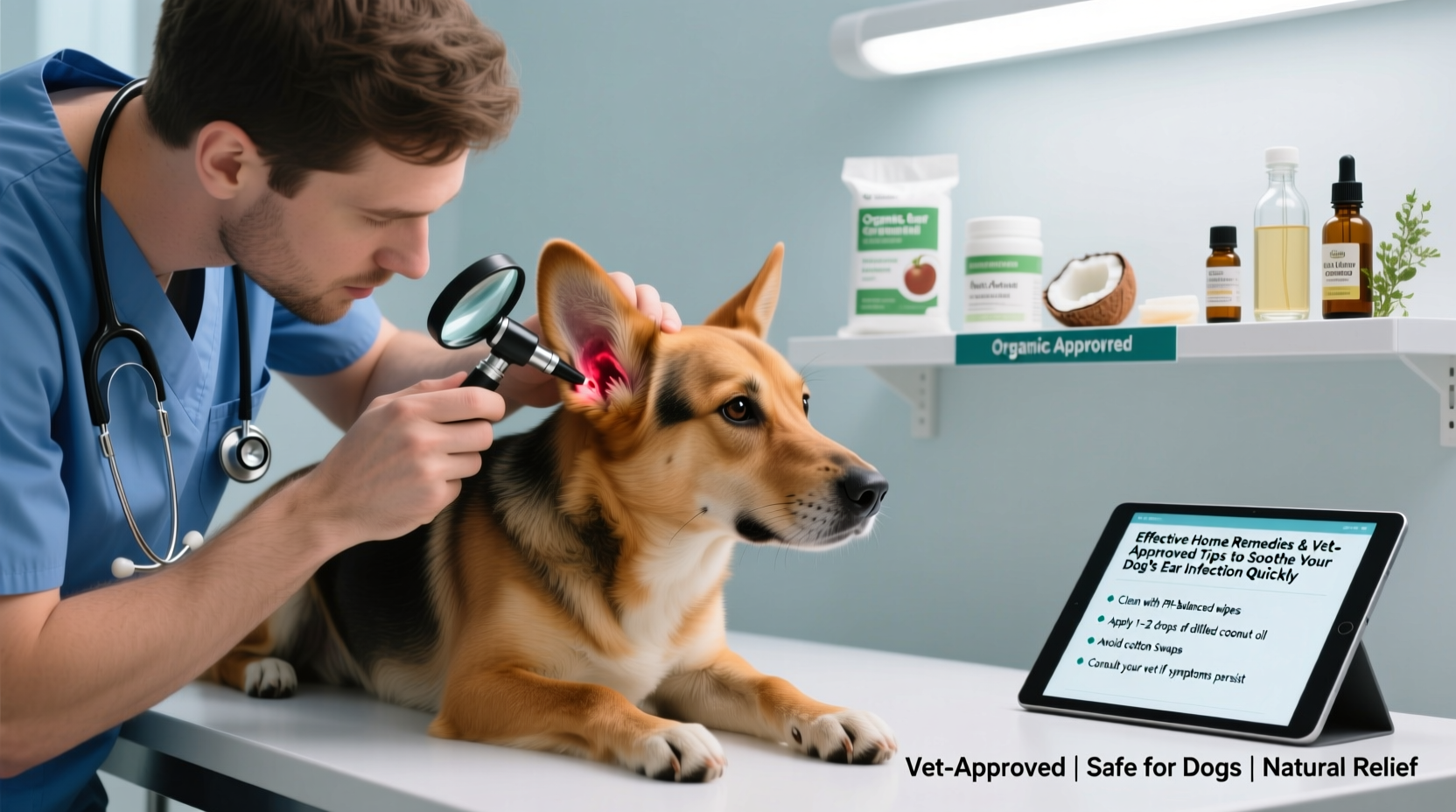
Dogs, especially those with floppy ears or frequent swimmers, are prone to ear infections caused by bacteria, yeast, mites, or allergies. The warm, moist environment inside the ear canal creates an ideal breeding ground for pathogens. Common signs include:
- Excessive scratching or pawing at the ear
- Head tilting or shaking
- Redness, swelling, or warmth in the ear
- Discharge (yellow, brown, or black)
- Foul odor
- Irritability or sensitivity when touched
Before attempting any remedy, it’s crucial to determine whether the infection is bacterial, fungal, or parasitic. Misdiagnosis can worsen symptoms. A veterinarian will examine the ear canal, possibly perform a cytology test, and prescribe appropriate medication such as antibiotics, antifungals, or anti-parasitics.
Tip: Never use cotton swabs deep inside your dog’s ear—they can push debris further in or damage the eardrum.Vet-Approved Home Remedies for Relief
While prescription treatments address the root cause, several safe home remedies can reduce discomfort and support recovery—especially in mild cases or during follow-up care. Always consult your vet before starting any home treatment, particularly if the eardrum appears ruptured or the ear is severely inflamed.
1. Apple Cider Vinegar Solution (Diluted)
A diluted solution of raw, unfiltered apple cider vinegar can help restore the ear’s natural pH and inhibit yeast growth. Mix one part vinegar with one part distilled water. Using a dropper, apply a few drops into the ear canal, then gently massage the base. Allow your dog to shake its head, then wipe the outer ear with a soft cloth.
“Apple cider vinegar should never be used on open sores or ruptured eardrums. It’s best suited for maintenance after infection clears.” — Dr. Karen Benson, DVM, Veterinary Dermatologist
2. Green Tea Rinse for Allergy-Related Irritation
Green tea has natural anti-inflammatory properties and can help flush out allergens. Brew a cup of green tea, let it cool completely, and use a bulb syringe to gently rinse the outer ear canal. This method is particularly helpful for dogs with seasonal allergies contributing to recurring infections.
3. Coconut Oil for Moisturizing and Antimicrobial Support
Organic, unrefined coconut oil has lauric acid, which exhibits antibacterial and antifungal effects. Warm a small amount between your fingers and apply a thin layer to the outer ear. Avoid pushing it deep into the canal unless directed by a vet. This works well for dry, flaky skin accompanying mild infections.
4. Probiotic Earsprays (Commercially Available)
Emerging research supports the use of probiotic-based ear products that introduce beneficial bacteria to crowd out harmful microbes. These are not home remedies per se but are safe, vet-recommended adjuncts to traditional treatment.
Step-by-Step Guide to Safe Ear Care at Home
If your vet has confirmed a mild infection or cleared you for supportive care, follow this timeline to manage symptoms effectively:
- Day 1 – Assessment: Observe symptoms and contact your vet. Do not self-diagnose.
- Day 2 – Begin Treatment: Start prescribed medication (e.g., ear drops). Use a vet-approved cleanser to gently flush the ear.
- Days 3–7 – Daily Maintenance: Clean ears once daily using a vet-recommended solution. Apply home remedies like diluted ACV only if approved.
- Day 8 – Recheck: Schedule a follow-up appointment even if symptoms improve. Incomplete treatment leads to recurrence.
- Ongoing – Prevention: Dry ears after swimming, clean weekly, and monitor for early warning signs.
Do’s and Don’ts: What to Avoid During Treatment
| Do’s | Don’ts |
|---|---|
| Use vet-prescribed ear cleaners | Use alcohol, hydrogen peroxide, or undiluted essential oils |
| Clean gently with cotton balls or gauze | Insert Q-tips deep into the ear canal |
| Keep ears dry after baths or swimming | Allow moisture to linger in the ear |
| Follow full course of medication | Stop treatment early when symptoms fade |
| Monitor for changes daily | Ignore persistent head shaking or odor |
Real-Life Example: Bella the Beagle’s Recovery
Bella, a 4-year-old beagle, began scratching her ears incessantly after a weekend at a lake. Her owner noticed a yeasty smell and brown discharge. After a vet visit, she was diagnosed with a mild yeast infection. The vet prescribed an antifungal drop and recommended weekly cleaning with a drying solution.
At home, Bella’s owner used a diluted apple cider vinegar rinse twice weekly (after the acute phase) and applied coconut oil to soothe irritated skin around the ear flap. Within 10 days, symptoms resolved. The vet emphasized continued ear drying and monthly checkups due to Bella’s predisposition to infections from swimming.
This case highlights the importance of professional diagnosis combined with consistent home care.
Essential Checklist for Managing Your Dog’s Ear Infection
Use this checklist to stay organized and ensure comprehensive care:
- ✅ Contact your vet for diagnosis before starting treatment
- ✅ Obtain prescribed ear drops or oral medication
- ✅ Buy a vet-approved ear cleaning solution
- ✅ Gently clean ears as directed (usually every 1–2 days)
- ✅ Monitor for improvement or worsening symptoms
- ✅ Prevent water entry during baths (use cotton balls coated in petroleum jelly)
- ✅ Attend all follow-up appointments
- ✅ Establish a routine cleaning schedule post-recovery
Frequently Asked Questions
Can I treat my dog’s ear infection without going to the vet?
While mild irritation may respond to home care, true infections usually require prescription medication. Over-the-counter remedies alone are rarely sufficient and delaying treatment can lead to complications like middle ear infection or permanent damage.
How long does it take for a dog’s ear infection to heal?
With proper treatment, most uncomplicated infections show improvement within 5–7 days and resolve fully in 2–3 weeks. Chronic or severe cases may require longer therapy and additional diagnostics.
Are certain breeds more at risk?
Yes. Dogs with floppy ears (like Cocker Spaniels and Basset Hounds), hairy ear canals (Poodles, Shih Tzus), or allergy-prone breeds (Golden Retrievers, Bulldogs) are more susceptible. Regular cleaning and drying are critical for prevention.
Final Thoughts: Act Fast, But Act Wisely
Ear infections don’t just cause discomfort—they impact your dog’s quality of life. Quick action is important, but it must be informed and responsible. Relying solely on home remedies without veterinary input risks prolonging suffering or causing irreversible harm. Combine professional guidance with gentle, science-supported home care to give your dog the fastest, safest path to recovery.
💬 Have experience managing your dog’s ear health? Share your tips or questions below. Your insights could help another pet parent find relief for their furry friend.








