Mouth blisters—commonly known as canker sores or oral ulcers—can be surprisingly painful despite their small size. They often appear on the inner lips, cheeks, tongue, or gums, making eating, speaking, and even brushing teeth uncomfortable. While most blisters heal on their own within a week or two, there are several safe and effective home remedies that can accelerate healing, reduce discomfort, and prevent infection. This guide provides practical, science-backed strategies to help you find relief fast.
Understanding Mouth Blisters: Causes and Types
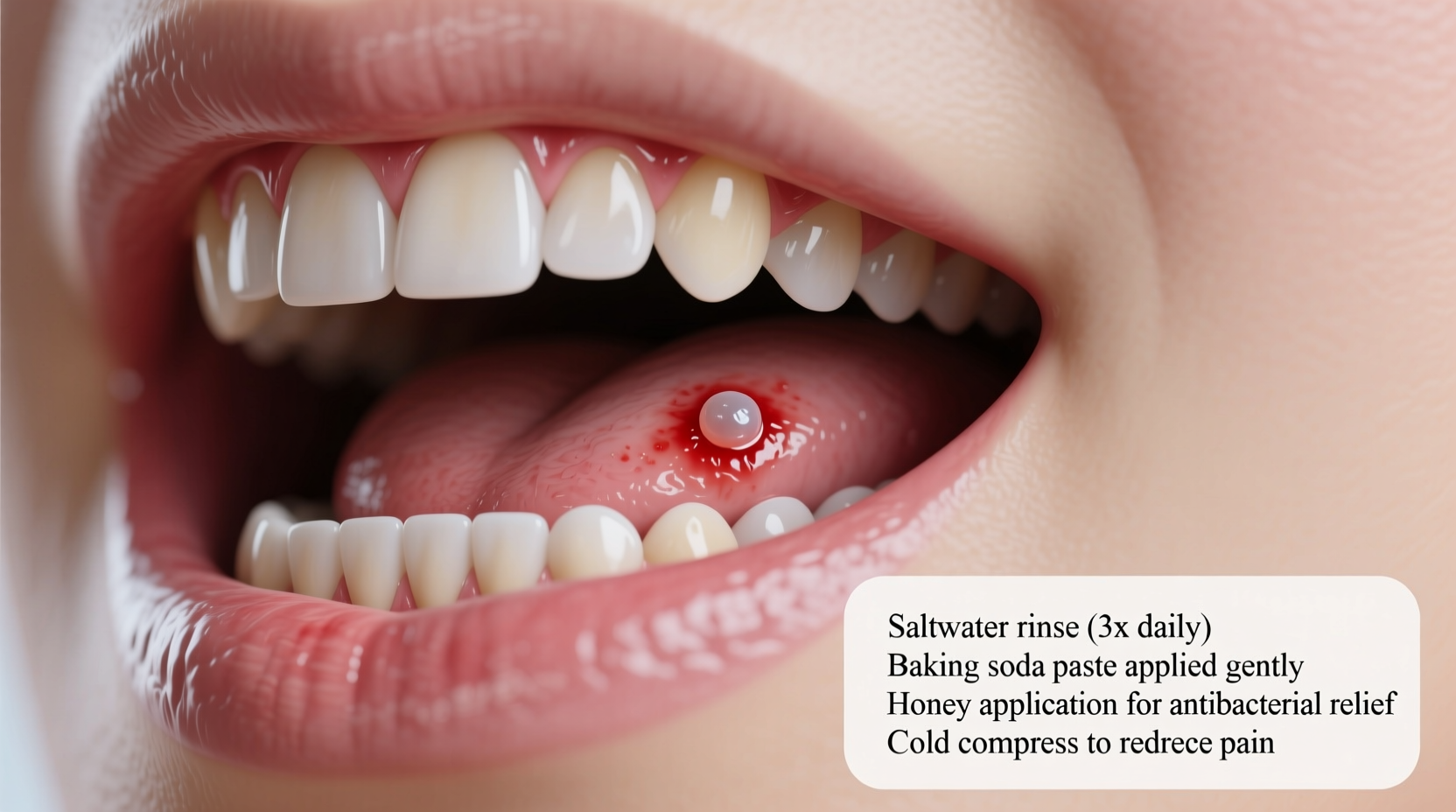
Mouth blisters are not all the same. The most common type is the aphthous ulcer (canker sore), which appears as a small, round, white or yellowish lesion with a red border. Unlike cold sores, canker sores are not caused by a virus and are not contagious.
Common triggers include:
- Minor injuries from biting the cheek, dental work, or aggressive brushing
- Stress or hormonal changes
- Nutritional deficiencies (especially vitamin B12, iron, or folate)
- Foods high in acidity (citrus, tomatoes, pineapple) or spice
- Autoimmune conditions or weakened immunity
- Use of toothpaste containing sodium lauryl sulfate (SLS)
Less commonly, blisters may result from viral infections like herpes simplex (which causes cold sores), hand-foot-and-mouth disease, or allergic reactions. It's important to identify the cause when possible to choose the right treatment.
Tip: Avoid poking or squeezing mouth blisters—they are not pimples and doing so can increase pain and risk of infection.Top 7 Home Remedies for Faster Healing
Many natural remedies have anti-inflammatory, antimicrobial, or soothing properties that can reduce pain and speed up tissue repair. Here are some of the most effective options backed by both tradition and clinical observation:
- Saltwater rinse: Dissolve 1/2 teaspoon of salt in 1 cup of warm water. Swish for 30 seconds, 3–4 times daily. This helps clean the area, reduce swelling, and promote healing.
- Baking soda paste: Mix 1 teaspoon of baking soda with a few drops of water to form a paste. Apply directly to the blister with a cotton swab. Baking soda neutralizes acid and soothes irritation.
- Honey application: Raw honey has natural antibacterial and wound-healing properties. Dab a small amount directly on the blister up to 4 times a day.
- Coconut oil: Its lauric acid content fights bacteria and forms a protective barrier. Swish 1 tablespoon around your mouth (oil pulling) or apply directly.
- Aloe vera gel: Use pure aloe from the plant or a food-safe store-bought gel. Apply 2–3 times daily to reduce inflammation and moisturize sensitive tissue.
- Chamomile tea bags: Steep a tea bag in hot water, cool it, then hold it against the blister for 5–10 minutes. Chamomile has calming and anti-inflammatory effects.
- Hydrogen peroxide (diluted): Mix equal parts 3% hydrogen peroxide and water. Apply with a cotton ball once daily to disinfect—do not swallow.
Do’s and Don’ts When Treating Mouth Blisters
| Do’s | Don’ts |
|---|---|
| Rinse with saltwater or baking soda solution | Use alcohol-based mouthwashes |
| Eat soft, bland foods | Consume spicy, acidic, or crunchy foods |
| Stay hydrated | Smoke or use tobacco products |
| Practice gentle oral hygiene | Brush too hard near the blister |
| Replace your toothbrush after healing | Share utensils if you suspect infection |
Step-by-Step Care Routine for Rapid Relief
For best results, follow this structured daily routine until the blister heals completely:
- Morning: Rinse with warm saltwater. Gently brush teeth using a soft-bristled brush, avoiding direct contact with the blister.
- After meals: Rinse again with saltwater or plain water to remove food particles.
- Midday: Apply raw honey or aloe vera gel directly to the blister using a clean cotton swab.
- Evening: Perform oil pulling with coconut oil for 10 minutes, then spit out and rinse.
- Before bed: Place a cooled chamomile tea bag over the blister for 5–10 minutes, then apply baking soda paste if tolerated.
Repeat this process consistently for 3–5 days. Most minor blisters show improvement within 48 hours of starting treatment.
“Consistent local care with natural antiseptics like honey and saltwater can significantly shorten the duration of minor oral ulcers.” — Dr. Lena Patel, Board-Certified Oral Medicine Specialist
When to See a Doctor
While most mouth blisters resolve on their own, certain signs indicate the need for medical evaluation:
- The blister lasts longer than 2 weeks without improvement
- It grows larger than 1 cm in diameter
- You experience frequent recurrences (more than 2–3 times per month)
- There is severe pain interfering with eating or drinking
- You notice fever, fatigue, or multiple sores spreading rapidly
Persistent or recurring ulcers could signal underlying conditions such as celiac disease, Crohn’s disease, vitamin deficiencies, or immune disorders. A healthcare provider may recommend blood tests or prescribe topical corticosteroids or antimicrobial rinses.
Tip: If you frequently get mouth blisters, consider switching to an SLS-free toothpaste—it may reduce recurrence rates.Real Example: How Sarah Reduced Her Healing Time
Sarah, a 32-year-old teacher, developed a painful blister on her inner cheek after accidentally biting it during lunch. By evening, it was swollen and made speaking difficult. Instead of waiting it out, she began a regimen of saltwater rinses every 3 hours and applied raw honey four times daily. She avoided citrus and chips, opting for yogurt and mashed potatoes. On day two, she added a cooled chamomile tea compress before bed. By the third day, the pain had decreased significantly, and the blister began scabbing over. Within five days, it was completely gone—nearly a week faster than her usual recovery time.
Frequently Asked Questions
Can I pop a mouth blister?
No. Unlike skin blisters, oral blisters should never be popped. They are open wounds already exposed to bacteria. Puncturing them increases pain and infection risk without speeding healing.
Is it normal for a mouth blister to turn white?
Yes. A white or yellowish center is part of the normal healing process, indicating dead cells and fibrin forming a protective layer over the damaged tissue. As long as it’s not growing or extremely painful, this is a sign of recovery.
Are mouth blisters contagious?
Canker sores are not contagious. However, cold sores (caused by HSV-1) are highly contagious and usually appear on the lip edges. If you have fluid-filled blisters outside the mouth, avoid close contact and consult a doctor.
Final Checklist: What You Should Do Now
- Rinse with saltwater at least 3 times a day
- Apply honey or aloe vera directly to the blister
- Switch to a soft toothbrush and SLS-free toothpaste
- Avoid acidic, spicy, or rough foods
- Stay hydrated and maintain good oral hygiene
- Monitor for signs of infection or prolonged healing
- Consult a doctor if the blister persists beyond two weeks
Take Control of Your Oral Comfort Today
Mouth blisters don’t have to sideline you for days. With prompt, consistent care using simple household items, you can reduce pain and speed healing dramatically. The key is early intervention and protecting the area from further irritation. Start applying these remedies at the first sign of discomfort—and share your experience with others who struggle with recurring sores. Your comfort matters, and relief is closer than you think.
💬 Have a remedy that worked for you? Share your story in the comments and help others find fast, natural relief from mouth blisters.








