Ringworm is a common but misunderstood condition in dogs. Despite its name, it is not caused by a worm but by a group of fungi known as dermatophytes, most commonly *Microsporum canis*. It manifests as circular patches of hair loss, scaly skin, and sometimes mild itching. Highly contagious to other pets and humans, early detection and proper treatment are essential. This guide covers both veterinary-approved protocols and safe, effective home care strategies to help your dog recover fully and prevent recurrence.
Understanding Ringworm: Causes and Symptoms
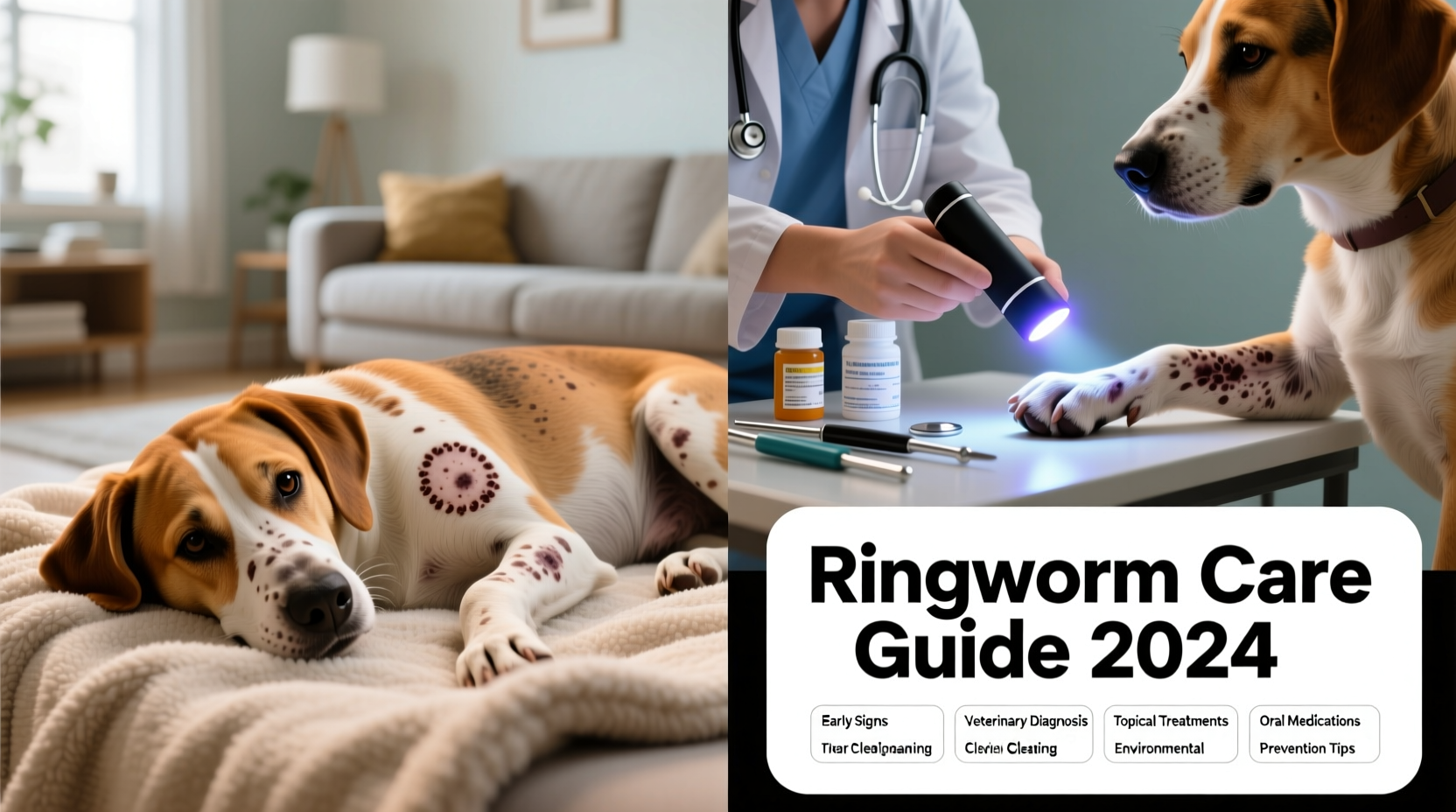
Dermatophytosis, or ringworm, thrives in warm, moist environments and spreads through direct contact with infected animals, contaminated objects (like bedding or grooming tools), or fungal spores in the environment. Puppies, senior dogs, and those with weakened immune systems are especially vulnerable.
Symptoms may include:
- Circular areas of hair loss, often with crusting or scaling
- Reddened or inflamed skin at lesion edges
- Mild to moderate itching
- Brittle or broken nails in severe cases
- Dull coat appearance around affected zones
It's important to note that some dogs—especially long-haired breeds—can be asymptomatic carriers, spreading spores without showing visible signs.
“Ringworm is one of the most frequently misdiagnosed skin conditions in dogs. A definitive diagnosis requires fungal culture or PCR testing, not just visual inspection.” — Dr. Laura Simmons, DVM, Veterinary Dermatology Specialist
Veterinary Treatments: The Foundation of Recovery
Professional veterinary intervention is crucial for effective treatment. Left untreated, ringworm can spread across the body and contaminate the household. Veterinarians typically recommend a multimodal approach combining topical and systemic therapies.
Oral Antifungal Medications
Prescription antifungals are the cornerstone of treatment. Common options include:
- Itraconazole: Often preferred due to fewer side effects and high efficacy.
- Griseofulvin: An older drug requiring strict dosing and monitoring for liver function.
- Terbinafine: Used in resistant cases or when other drugs aren't tolerated.
Treatment duration typically lasts 4–8 weeks, continuing for at least two weeks after symptoms resolve and negative fungal cultures confirm eradication.
Topical Therapies
Medicated shampoos and dips reduce environmental shedding of spores and speed healing. Key products include:
- Clotrimazole-miconazole creams: Applied directly to lesions twice daily.
- Lime sulfur dips: Highly effective but have a strong odor; used twice weekly.
- Enilconazole or chlorhexidine-ketoconazole shampoos: Bathing every 3–7 days during active treatment.
Home Care Strategies That Support Healing
While veterinary treatment is non-negotiable, consistent home care enhances recovery and prevents reinfection. These practices should complement—not replace—professional medical plans.
Natural Topical Support
Some natural substances show antifungal properties and can be used cautiously alongside prescribed treatments:
- Diluted apple cider vinegar (1:1 with water): Spritz on affected areas after bathing; helps restore skin pH.
- Coconut oil (virgin, unrefined): Contains lauric acid, which may inhibit fungal growth. Apply sparingly to dry lesions.
- Tea tree oil: Use only in highly diluted form (less than 0.5%) and never on open sores—can be toxic if ingested.
Always patch-test new topical agents and discontinue if irritation occurs.
Environmental Decontamination
Fungal spores can survive in the environment for up to 18 months. A rigorous cleaning protocol is essential:
- Vacuum all carpets, furniture, and drapes daily, disposing of the bag or filter immediately.
- Wash bedding, collars, and toys in hot water with bleach (if fabric-safe) or a veterinary disinfectant like accelerated hydrogen peroxide.
- Clean hard surfaces with a 1:10 dilution of household bleach and water, letting it sit for 10 minutes before wiping.
- Use a HEPA air filter to reduce airborne spores.
Step-by-Step Treatment Timeline
Follow this structured timeline to ensure comprehensive care over the typical 6–8 week treatment period:
| Week | Action Steps |
|---|---|
| 1 | Visit vet for diagnosis (skin scraping, fungal culture, or Wood’s lamp). Begin oral medication. Start lime sulfur dips or medicated baths. |
| 2–3 | Continue meds and topical treatments. Deep clean all living areas. Isolate the dog from high-traffic zones and other pets. |
| 4 | Recheck with vet. Submit follow-up fungal culture if recommended. Monitor for new lesions. |
| 5–6 | Maintain treatment even if skin appears healed. Continue environmental hygiene. |
| 7–8 | Final vet visit. Confirm clearance via negative culture. Gradually reintroduce dog to shared spaces. |
Do’s and Don’ts During Treatment
| Do’s | Don’ts |
|---|---|
| Wear gloves when handling your dog or cleaning cages | Allow your dog to sleep on beds or couches during treatment |
| Keep your dog indoors to limit environmental spread | Share towels, brushes, or bedding between pets |
| Trim fur around lesions to improve topical absorption | Stop medication once lesions improve—finish the full course |
| Monitor family members for red, itchy skin rings | Use over-the-counter human antifungals without vet approval |
Real-World Example: Treating Ringworm in a Multi-Pet Household
The Thompson family adopted a rescue puppy who developed patchy hair loss within two weeks. Their vet diagnosed ringworm using a fungal culture. Alongside prescribed itraconazole and lime sulfur dips, they implemented strict decontamination: washing all fabrics weekly, isolating the puppy in a tiled room, and using a HEPA filter. They also screened their older cat, who showed no symptoms but tested positive. Both pets were treated concurrently. After six weeks of consistent care, follow-up cultures were negative. The family credits their success to early action and thorough environmental control.
Frequently Asked Questions
Can humans catch ringworm from dogs?
Yes, ringworm is zoonotic. Humans—especially children—may develop red, circular rashes with raised edges. If you suspect exposure, consult a physician promptly and avoid direct skin contact until treatment begins.
How long does ringworm treatment take?
Most cases require 6–8 weeks of continuous treatment. However, resolution time varies based on the dog’s immune status, severity, and adherence to both medication and environmental cleanup.
Is vaccination available for ringworm in dogs?
There is no widely approved vaccine for ringworm in dogs. Prevention relies on hygiene, prompt treatment of infections, and avoiding contact with infected animals or contaminated environments.
Conclusion: A Proactive Approach Ensures Full Recovery
Successfully managing ringworm in dogs demands more than topical ointments—it requires commitment to veterinary guidance, diligent home care, and environmental sanitation. With the right combination of prescription treatment, supportive home remedies, and preventive habits, your dog can make a full recovery and return to a healthy, comfortable life. The key is consistency: don’t stop treatment prematurely, even if the skin looks better.
💬 Have experience treating ringworm in your pet? Share your story or tips in the comments to help other pet owners navigate this challenging condition.








