Fleas are more than just a nuisance—they can cause severe discomfort, allergic reactions, and even transmit dangerous diseases to cats. Left untreated, a minor infestation can quickly spiral into a household-wide problem. Fortunately, veterinary medicine has advanced significantly, offering safe, fast-acting, and long-lasting solutions. The best flea treatments for cats are not only effective at killing adult fleas but also disrupt the entire flea life cycle, preventing reinfestation. Understanding which products are trusted by professionals ensures your cat stays healthy, itch-free, and protected year-round.
Why Flea Control Matters for Cats
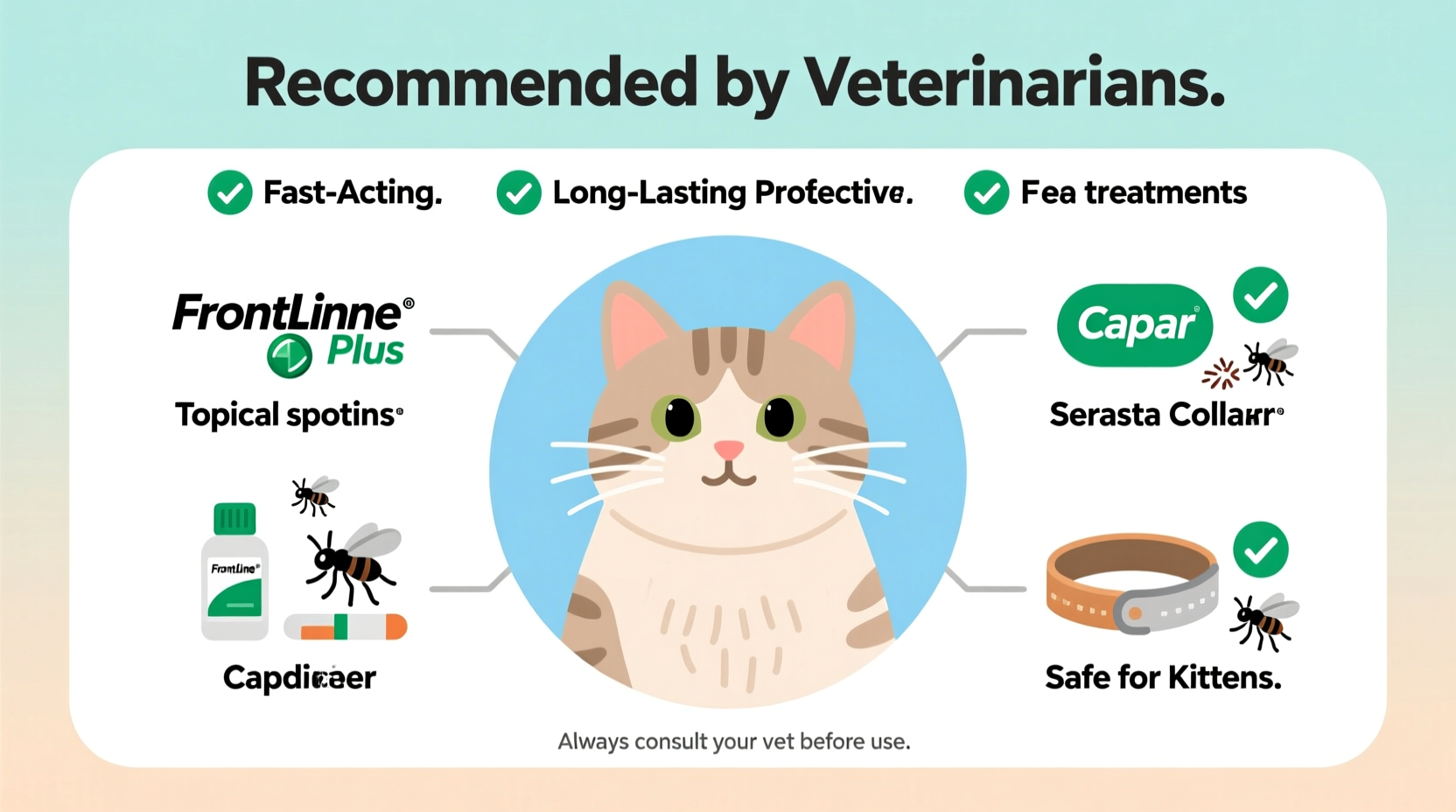
Cats are particularly vulnerable to flea-related health issues. Unlike dogs, they often groom themselves meticulously, increasing the risk of ingesting fleas and developing tapeworms. Flea allergy dermatitis (FAD) is one of the most common skin conditions in cats, triggered by an allergic reaction to flea saliva. Even a single bite can lead to intense itching, hair loss, scabs, and secondary skin infections.
Veterinarians emphasize that prevention is far more effective—and less stressful—than treating a full-blown infestation. Fleas reproduce rapidly; a single female can lay up to 50 eggs per day. These eggs fall off the cat into carpets, furniture, and bedding, creating reservoirs that can hatch weeks later. This makes comprehensive treatment essential—not just on the cat, but in the environment.
“Topical and oral preventives have revolutionized flea control. When used correctly, they’re highly effective and much safer than older over-the-counter pesticides.” — Dr. Laura Bennett, DVM, Veterinary Dermatology Specialist
Top Veterinarian-Recommended Flea Treatments
Vets evaluate flea treatments based on safety, speed of action, duration of protection, and ability to break the flea life cycle. Below are the most commonly recommended categories and specific products.
1. Topical Spot-On Treatments
Applied directly to the skin, usually between the shoulder blades, these liquid formulations absorb into the oil layer of the skin and spread across the body. They typically kill fleas within 12–24 hours and remain effective for a full month.
- Selamectin (Revolution): A broad-spectrum treatment that kills fleas, prevents heartworm, and treats ear mites and certain intestinal parasites. Safe for kittens as young as six weeks.
- Fipronil (Frontline Plus): Kills adult fleas and larvae. Also effective against ticks. Water-resistant after 24 hours.
- Imidacloprid + Mothyl (Advantage II): Targets all life stages of fleas. Ideal for cats with flea allergy dermatitis due to rapid kill time.
2. Oral Medications
These fast-acting pills or chewables are ideal for cats who dislike topical applications. Many begin killing fleas within 30 minutes to 6 hours.
- Nitenpyram (Capstar): Provides immediate relief by killing adult fleas within 30 minutes. Used for acute infestations, not long-term prevention.
- Spinosad (Comfortis): A monthly tablet that kills 100% of fleas within 4 hours. Prescription-only and not suitable for kittens under 14 weeks.
- Lufenuron (Program): Doesn’t kill adult fleas but sterilizes them, stopping egg production. Often combined with other treatments.
3. Flea Collars
Modern flea collars release active ingredients slowly over several months. Vets now recommend specific prescription-grade collars rather than older, chemical-heavy versions.
- Seresto Collar (Imidacloprid & Flumethrin): Effective for up to 8 months. Repels and kills fleas and ticks. Waterproof and odorless.
Comparing Popular Flea Treatments: A Vet’s Guide
| Treatment | Type | Kills Adults? | Breaks Life Cycle? | Duration | Prescription Needed? |
|---|---|---|---|---|---|
| Revolution (Selamectin) | Topical | Yes | Yes (eggs/larvae) | 1 month | Yes |
| Frontline Plus | Topical | Yes | Yes (egg/larval development inhibitor) | 1 month | No |
| Comfortis | Oral | Yes (within 4 hrs) | No | 1 month | Yes |
| Seresto Collar | Collar | Yes | Yes (via larval inhibition) | 8 months | No |
| Capstar | Oral | Yes (within 30 min) | No | Single dose | No |
Step-by-Step Flea Treatment Plan
Effective flea control requires a systematic approach. Follow this vet-recommended timeline to eliminate fleas and prevent recurrence.
- Confirm the presence of fleas: Use a flea comb to check for live fleas or “flea dirt” (small black specks that turn red when wet).
- Choose a fast-acting treatment: Start with Capstar or Comfortis to kill existing adults immediately.
- Begin monthly prevention: Apply a vet-approved topical or oral product on the same date each month.
- Treat the environment: Vacuum daily for two weeks, wash bedding in hot water, and consider using a vet-approved home spray (e.g., premise spray with insect growth regulators).
- Monitor and reassess: Check your cat weekly. If fleas return, consult your vet—resistance or environmental sources may be the issue.
Real-World Example: Bella’s Flea Recovery
Bella, a 3-year-old indoor-outdoor domestic shorthair, was brought to a clinic with severe scratching and bald patches along her back. Her owner had been using an over-the-counter powder that seemed ineffective. After examination, the vet found flea dirt and diagnosed flea allergy dermatitis.
The treatment plan included:
- A single dose of Capstar to kill immediate fleas
- Monthly application of Revolution to prevent reinfestation and treat potential mites
- A corticosteroid injection to reduce inflammation from the allergic reaction
- Environmental cleaning: vacuuming, washing bedding, and using an IGR-based room spray
Frequently Asked Questions
Can I use dog flea medication on my cat?
No. Many dog flea products contain permethrin, which is extremely toxic to cats and can cause tremors, seizures, or death. Always use species-specific treatments.
How soon after application can I pet my cat?
With topical treatments, avoid touching the application site for 24–48 hours. For oral medications, there’s no restriction. With collars, ensure it’s properly fitted—not too tight, not too loose.
Are natural remedies like essential oils safe?
No. Essential oils such as tea tree, citrus, and eucalyptus are highly toxic to cats. Their livers cannot metabolize these compounds efficiently, leading to poisoning. Stick to vet-approved products.
Tip: Administer flea treatment at night or when your cat is calm. This reduces grooming immediately after application, which can reduce efficacy or cause mild nausea.Essential Checklist for Flea Prevention
- ✔️ Use a vet-recommended monthly flea preventive year-round
- ✔️ Inspect your cat regularly with a flea comb
- ✔️ Wash pet bedding in hot water every 1–2 weeks during flea season
- ✔️ Vacuum carpets, furniture, and baseboards frequently
- ✔️ Treat all pets in the household—even those without symptoms
- ✔️ Schedule annual vet checkups to review parasite prevention
Final Thoughts: Protect Your Cat Proactively
Fleas are preventable—but only with consistent, informed care. The most effective treatments are those prescribed or strongly recommended by veterinarians, combining rapid kill power with lifecycle disruption. Whether you choose a monthly topical, an oral tablet, or a long-acting collar, the key is regularity. Skipping even one dose can allow fleas to reestablish.
Don’t wait until your cat is suffering. Begin a vet-approved flea prevention plan today. Your cat will thank you with purrs instead of scratches.
💬 Have questions about flea treatments or experiences to share? Join the conversation below and help other cat owners make informed choices.








