Clear, clean water is more than just an aesthetic goal in a freshwater aquarium—it’s a vital sign of a balanced and healthy ecosystem. Cloudy or murky water often indicates imbalances in biological processes, excess waste, or inadequate filtration. While regular maintenance plays a role, the foundation of water clarity lies in choosing and maintaining the right filtration system. With numerous options on the market, from hang-on-back filters to canister systems and sponge filters, selecting the best fit for your tank size, fish load, and setup style can be overwhelming. This guide breaks down the most effective filtration solutions, explains how they work together, and provides actionable strategies to ensure consistently clear water.
Understanding the Three Types of Filtration
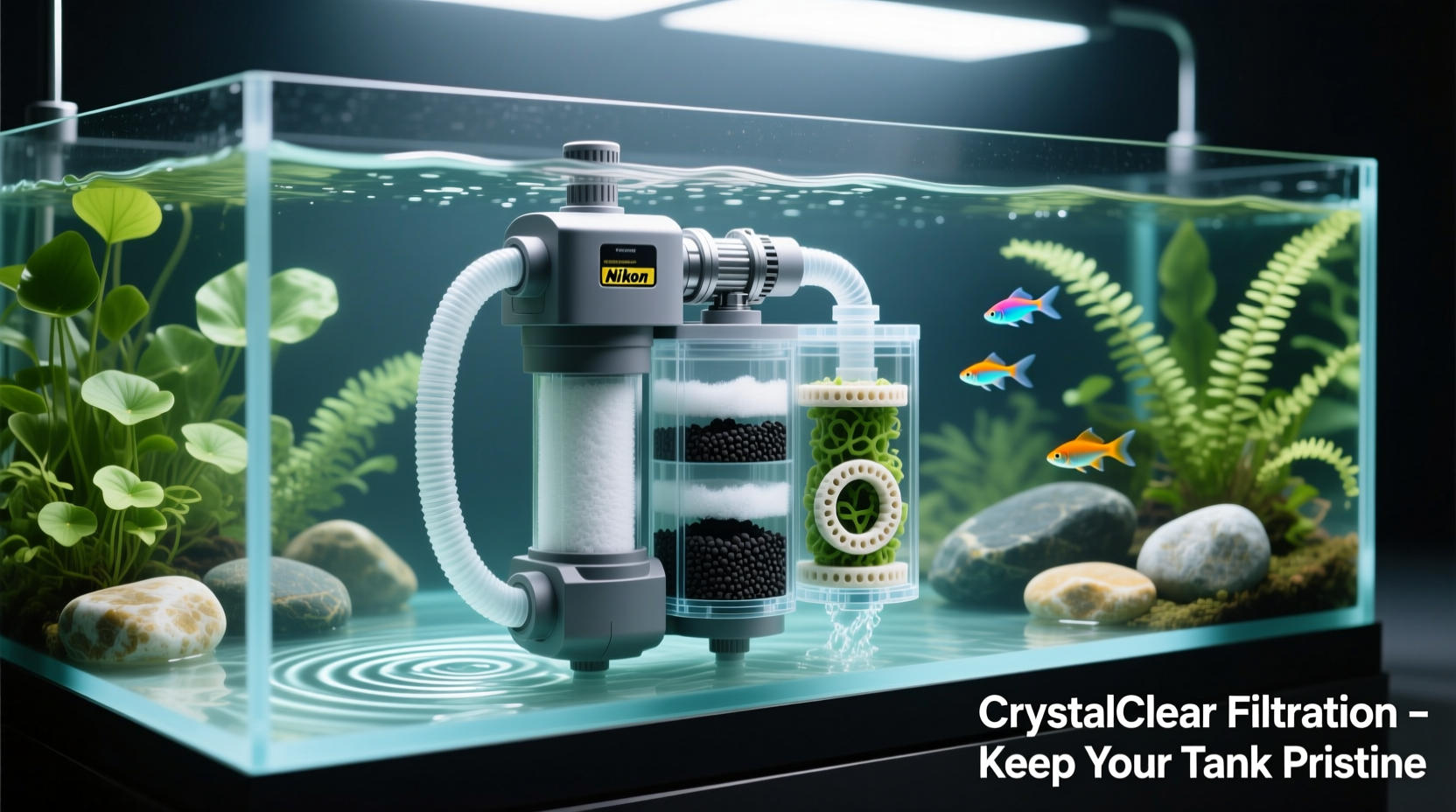
Filtration in freshwater aquariums isn’t just about trapping debris. True effectiveness comes from combining three distinct types: mechanical, chemical, and biological. Each plays a unique role in maintaining water quality.
- Mechanical Filtration: Removes physical particles like uneaten food, fish waste, and plant debris. Achieved through sponges, filter floss, or foam pads that trap solids before they decompose.
- Chemical Filtration: Targets dissolved impurities such as tannins, medications, odors, and discoloration. Activated carbon is the most common medium, but specialized resins can remove nitrates or phosphates.
- Biological Filtration: Supports beneficial bacteria that convert toxic ammonia (from fish waste) into nitrite, then into less harmful nitrate. This process, known as the nitrogen cycle, is essential for long-term stability.
An ideal filtration system integrates all three. Relying solely on one type leads to incomplete water treatment and recurring clarity issues.
Tip: Rinse mechanical filter media in dechlorinated tank water during water changes—never tap water, as chlorine kills beneficial bacteria.Top Filtration Systems for Freshwater Tanks
Different aquarium setups benefit from different filter types. Here's a comparison of the most widely used systems and their suitability based on tank size and bioload.
| Filter Type | Best For | Pros | Cons |
|---|---|---|---|
| Hang-On-Back (HOB) | Tanks 10–55 gallons | Easy installation, combines all three filtration types, affordable | Limited capacity for heavy bioloads, visible on tank exterior |
| Canister Filter | Tanks 30+ gallons, planted or heavily stocked tanks | High flow rate, customizable media chambers, quiet operation | Expensive, complex maintenance, takes up space below tank |
| Sponge Filter | Breeding tanks, fry rearing, low-flow setups | Excellent biological filtration, safe for small fish, inexpensive | Poor mechanical and chemical capacity, not ideal for large tanks |
| Internal Power Filter | Small tanks under 20 gallons | Compact, easy to hide, good water circulation | Limited media space, frequent cleaning needed |
| Undergravel Filter | Older setups, low-tech tanks | Utilizes substrate for biological filtration, low cost | Inefficient with fine substrates, hard to clean, outdated design |
For most hobbyists, a high-quality HOB or canister filter offers the best balance of performance and ease of use. Heavily stocked tanks or those with messy eaters—like goldfish or cichlids—benefit from the superior flow and media capacity of canister filters.
Step-by-Step Guide to Optimizing Your Filtration Setup
Even the best filter won’t perform well if not properly configured. Follow this sequence to maximize efficiency:
- Choose the Right Size: Select a filter rated for at least 1.5 times your tank’s volume. A 30-gallon tank should have a filter rated for 45+ gallons to handle organic load effectively.
- Layer Filter Media Strategically: Arrange media from coarse to fine. Start with a sponge (mechanical), then biomedia (biological), followed by chemical media like carbon. This prevents clogging and ensures water contacts each stage.
- Cycle the Filter Before Adding Fish: Run the filter for at least 4–6 weeks with an ammonia source (e.g., fish food or pure ammonia) to establish bacterial colonies.
- Perform Regular Maintenance: Clean mechanical media weekly; replace chemical media monthly; rinse biological media every 4–6 weeks using tank water only.
- Monitor Flow Rate: Adjust if necessary. Too strong can stress fish; too weak reduces filtration efficiency. Aim for a turnover rate of 4–6 times the tank volume per hour.
Real Example: Clearing Up a Cloudy Community Tank
A hobbyist with a 40-gallon community tank reported persistent cloudiness despite weekly water changes. The tank housed tetras, Corydoras, and live plants. Initial testing revealed elevated nitrites and floating particulates. The existing sponge filter was undersized and lacked chemical media.
The solution involved upgrading to a canister filter with layered media: a pre-filter sponge, ceramic rings for biofiltration, and activated carbon. The tank was lightly vacuumed, overfeeding corrected, and filter flow adjusted. Within 10 days, water clarity improved dramatically, and nitrite levels dropped to zero. The key wasn’t just the new filter—but pairing it with proper feeding habits and maintenance.
“Many clarity issues stem not from the filter itself, but from mismatched capacity and poor media management.” — Dr. Alan Reyes, Aquatic Systems Biologist
Checklist for Maintaining Crystal-Clear Water
Use this checklist monthly to ensure your filtration system performs optimally:
- ✅ Check filter flow—ensure water is moving steadily without gurgling or blockages
- ✅ Inspect mechanical media for clogs and rinse if dirty
- ✅ Replace chemical media (carbon, phosphate removers) as recommended
- ✅ Test water for ammonia, nitrite, and nitrate levels
- ✅ Vacuum substrate to reduce detritus buildup
- ✅ Verify filter intake isn’t drawing in air due to improper submersion
- ✅ Confirm stocking levels haven’t exceeded tank capacity
Frequently Asked Questions
Why is my water still cloudy even with a good filter?
Cloudiness can result from bacterial blooms (common in new tanks), excess light promoting algae, or stirred-up debris. If mechanical filtration is insufficient, consider adding a fine filter pad. Also, verify you’re not overfeeding—leftover food decays quickly and clouds water.
Should I run chemical filtration all the time?
No. Activated carbon removes impurities but also leaches back contaminants once saturated. Use it for 2–4 weeks after medicating, dealing with discoloration, or removing odors. Otherwise, run it intermittently. Continuous use may strip trace elements beneficial to plants and fish.
Can too much filtration harm my fish?
Excessive flow can stress slow-moving species like bettas or dwarf shrimp. In such cases, baffle the outflow with decorations or use adjustable filters. However, having extra filtration capacity is generally safer than under-filtration, as long as flow is managed.
Final Thoughts and Action Steps
Crystal-clear water isn’t achieved overnight—it’s the result of consistent filtration, smart stocking, and attentive care. The right filter does more than clean water; it stabilizes the entire aquatic environment, supporting healthier fish and reducing disease risk. Whether you maintain a small desktop tank or a large planted display, investing in a robust, well-maintained filtration system pays off in clarity, stability, and peace of mind.
🚀 Take action today: Evaluate your current filter’s capacity, check its media condition, and align your maintenance routine with the guidelines above. Even small improvements can lead to noticeably clearer water within a week.








