Keeping your dog clean goes beyond aesthetics—it's essential for their health, comfort, and overall well-being. Regular grooming prevents skin issues, reduces shedding, and strengthens the bond between you and your pet. However, many owners either over-bathe their dogs or use harsh products that strip natural oils from their coat. The key lies in balance: consistent, gentle care tailored to your dog’s breed, lifestyle, and skin type. This guide offers science-backed, practical strategies to maintain your dog’s hygiene without causing irritation or stress.
Understanding Your Dog’s Natural Skin and Coat
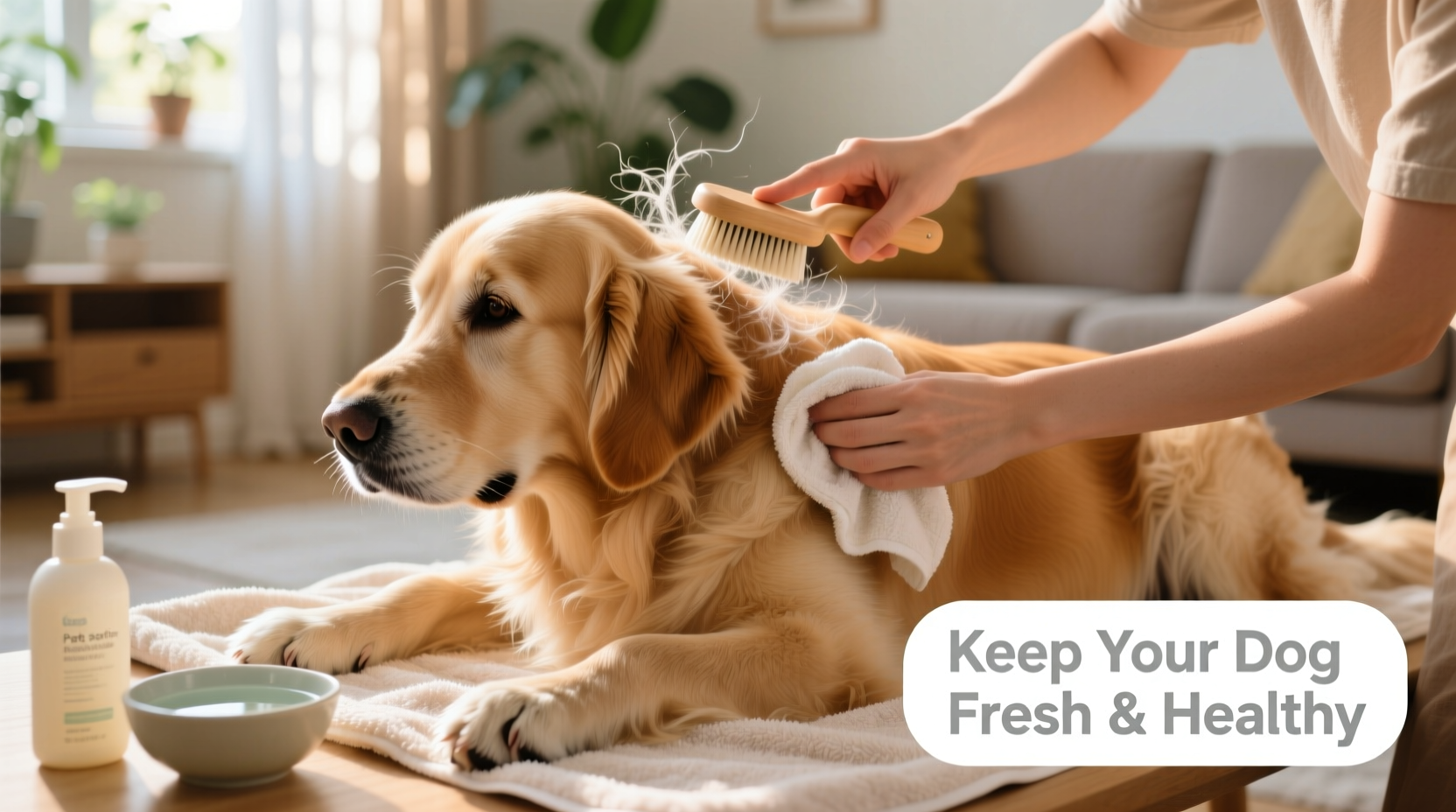
Dogs have a more neutral pH than humans—typically ranging from 6.2 to 7.5, compared to our acidic 5.5. Using human shampoos can disrupt this balance, leading to dryness, flaking, and increased susceptibility to infections. A dog’s skin is also thinner and more sensitive, making it prone to irritation if exposed to strong fragrances or chemicals.
Their coat serves as both insulation and protection. Whether your dog has a double coat like a Husky or a short single layer like a Beagle, each requires specific maintenance. Overwashing removes sebum, the natural oil that protects the skin and keeps fur shiny. Most dogs only need a full bath every 4–8 weeks unless they get particularly dirty or have medical needs.
“Maintaining the skin barrier is crucial. Overbathing is one of the most common mistakes owners make.” — Dr. Lena Patel, DVM, Canine Dermatology SpecialistTip: If your dog smells between baths, try a waterless foam or pet-safe wipe instead of a full shampoo session.
Step-by-Step Guide to a Stress-Free Bathing Routine
Bathing should be a calm, positive experience. Follow this vet-recommended sequence to ensure safety and effectiveness:
- Brush Before Bathing: Remove tangles and loose fur to prevent matting when wet.
- Use Lukewarm Water: Test the temperature with your wrist—never hot. Wet the coat thoroughly, avoiding the face and ears.
- Apply Dog-Specific Shampoo: Dilute if recommended. Start from the neck down, massaging gently into the skin.
- Rinse Completely: Leftover shampoo residue causes itching. Rinse until water runs clear.
- Dry Gently: Use a soft towel. For long-haired breeds, a low-heat blow dryer on a cool setting may help prevent dampness-related dermatitis.
- Positive Reinforcement: Offer treats and praise throughout to build a positive association.
When to Skip the Shower
Not every mess requires a full bath. For muddy paws or minor spills, targeted cleaning works better:
- Use a damp microfiber cloth to wipe paws after walks.
- Apply a no-rinse foaming cleanser to localized areas.
- Keep a “clean-up kit” by the door: towels, wipes, and paw washers.
Essential Tools for Gentle Cleaning
The right tools make all the difference in comfort and efficiency. Invest in items designed for canine physiology:
| Tool | Purpose | Recommended Frequency |
|---|---|---|
| Slicker Brush | Detangles undercoat, removes debris | 2–3 times per week |
| Rubber Curry Brush | Massages skin, distributes oils | After each walk or daily |
| Deshedding Tool (e.g., FURminator) | Reduces shedding by removing loose undercoat | Once weekly (avoid overuse) |
| Pet-Safe Wipes | Clean paws, belly, rear end | As needed |
| Ear Cleaning Solution & Pads | Prevents yeast and bacterial buildup | Every 1–2 weeks |
Real Example: Managing a Double-Coated Breed
Sarah adopted a Siberian Husky named Koda who shed heavily each spring. Initially, she bathed him weekly, thinking it would reduce fur around the house. Instead, Koda developed dry, itchy skin and began scratching excessively. After consulting her vet, she adjusted her routine: brushing Koda daily during shedding season, switching to a moisturizing oatmeal-based shampoo every six weeks, and using a deshedding tool weekly. Within a month, his coat became softer, shedding decreased significantly, and his skin irritation resolved. The lesson? Less frequent bathing combined with consistent brushing yields better results than over-cleaning.
Dental and Ear Care: Often Overlooked but Vital
Oral hygiene directly impacts systemic health. Dogs with untreated periodontal disease are at higher risk for heart, liver, and kidney issues. Yet, fewer than 10% of dogs receive regular dental care at home.
A simple daily routine can prevent major problems:
- Brush teeth with a dog-specific toothpaste (never human fluoride paste).
- Use dental chews approved by the Veterinary Oral Health Council (VOHC).
- Inspect gums monthly—redness, swelling, or bleeding indicate trouble.
Ears require attention too, especially in floppy-eared breeds like Cocker Spaniels. Moisture trapped in ear canals fosters yeast growth. Clean gently with a vet-approved solution and gauze pad—never insert anything deep into the ear.
Checklist: Weekly Cleaning Routine
- ☑ Brush coat to remove tangles and distribute oils
- ☑ Wipe paws after outdoor walks
- ☑ Check ears for odor, redness, or discharge
- ☑ Brush teeth or offer dental chew
- ☑ Inspect skin for rashes, lumps, or parasites
- ☑ Clean food and water bowls with mild soap
Frequently Asked Questions
How often should I bathe my dog?
Most dogs benefit from a bath every 4 to 8 weeks. Active dogs or those with skin conditions may need more frequent cleaning, but always consult your vet before increasing frequency. Overbathing leads to dry, flaky skin.
Can I use baby wipes on my dog?
Only if they’re fragrance-free and alcohol-free. Many baby wipes contain ingredients unsafe for pets. Opt for wipes labeled specifically for dogs, especially when cleaning near the face or rear.
What should I do if my dog hates baths?
Start with desensitization: let them explore the tub when dry, reward calm behavior, and gradually introduce water. Use non-slip mats, speak in soothing tones, and consider enlisting help for large or anxious dogs. In severe cases, professional groomers with calming techniques can assist.
Conclusion: Make Cleanliness a Comfortable Habit
Effective dog cleaning isn’t about perfection—it’s about consistency, gentleness, and understanding your pet’s individual needs. By choosing the right products, respecting their skin’s natural balance, and incorporating small daily habits, you create a foundation for lifelong health. These routines don’t just keep your dog smelling fresh; they allow you to catch early signs of illness, strengthen trust, and enhance quality of life.
💬 Ready to transform your dog’s grooming routine? Start today with one simple change—whether it’s switching to a dog-formulated shampoo or adding a five-minute brush session. Share your journey or ask questions in the comments below!








