Dogs with long facial hair—especially breeds like Shih Tzus, Maltese, Poodles, and Lhasa Apsos—are prone to having stray hairs drift into their eyes. While this may seem minor, persistent contact can lead to irritation, corneal scratches, or even ulcers if left unaddressed. The challenge lies in removing the hair safely without causing fear, discomfort, or injury to your pet. Many owners instinctively reach for tweezers or blow on the eye, but these methods can do more harm than good.
The goal isn’t just to solve the immediate issue but to build a routine that prevents future incidents while strengthening trust between you and your dog. This guide outlines practical, veterinarian-supported strategies to handle hair near your dog’s eyes calmly and effectively—without stress for either of you.
Understanding the Risk: Why Hair in the Eye Matters
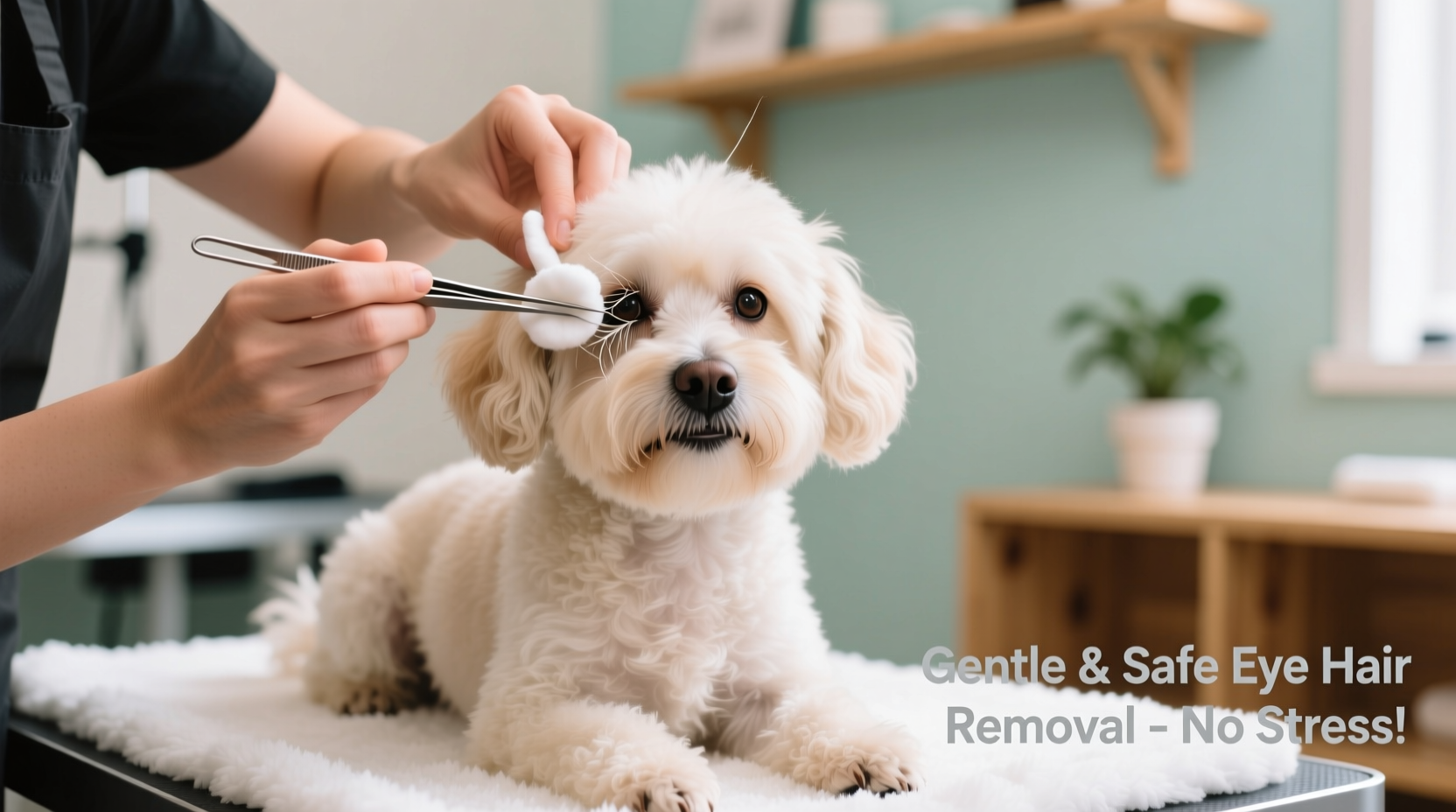
A single strand touching the surface of a dog’s eye may not seem serious, but the canine cornea is highly sensitive. Unlike humans, dogs don’t always blink reflexively to clear debris, especially if the hair is fine or moves slowly into place. Continuous rubbing leads to:
- Redness and excessive tearing
- Squinting or pawing at the eye
- Corneal abrasions or ulcers
- Secondary infections due to inflammation
Small hairs from the muzzle or eyebrows often migrate during movement, especially after sleep or grooming. Breeds with soft, wispy fur are most vulnerable because the hairs are light enough to float into the eye yet stiff enough to cause micro-abrasions.
“Even seemingly harmless contact from facial hair can initiate a cascade of ocular issues. Early intervention and proper technique are critical.” — Dr. Laura Nguyen, Veterinary Ophthalmologist, DACVO
Step-by-Step Guide: Safe Removal Without Restraint
Rushing or pinning your dog down increases anxiety and makes future handling harder. Instead, follow this calm, structured approach:
- Stay Calm and Create a Quiet Environment
Choose a familiar room with minimal distractions. Sit on the floor at your dog’s level to appear less threatening. - Use Natural Tear Production
Gently encourage blinking by softly stroking the area around the eye or using a clean dropper to apply one drop of sterile saline solution (available at pharmacies). This often flushes out loose hairs naturally. - Inspect with Good Lighting
Use a flashlight or natural daylight to locate the hair. If it’s floating on the tear film, wait—blinking may dislodge it. - Use a Moistened Cotton Swab or Corner of a Soft Cloth
Dampen the tip slightly with saline. Gently touch the very edge of the lower eyelid or conjunctiva where the hair rests—do not press against the cornea. Often, capillary action will draw the hair onto the swab. - Never Use Tweezers Near the Cornea
If the hair is deeply embedded or appears stuck to the surface, do not attempt removal. Seek veterinary help immediately. - Reassure and Reward
After successful removal—or even a calm attempt—offer praise and a treat. This builds positive association.
Prevention Through Grooming: Long-Term Solutions
Proactive grooming reduces the frequency of hair migration. Focus on targeted trimming rather than full shaving, which can alter skin sensitivity and regrowth texture.
| Breed Type | Recommended Trim Zone | Tool Suggestion | Frequency |
|---|---|---|---|
| Shih Tzu, Maltese | Under-eyes, muzzle fringe | Curved blunt-tip scissors | Every 2–3 weeks |
| Poodle (Toy/Miniature) | Eyebrow arches, inner corners | Thinning shears | Every 3–4 weeks |
| Lhasa Apso, Bichon Frise | Periocular hair, stop area (between eyes) | Cordless pet trimmer with guard | Weekly inspection, trim as needed |
When trimming, always pull the skin taut and cut in the direction of hair growth. Never stretch or tug delicate eyelid tissue. For nervous dogs, break grooming into 2-minute sessions over several days.
Real Example: Managing Chronic Hair Irritation in a Senior Maltese
Milo, a 12-year-old Maltese, had a history of squinting and watery eyes. His owner initially used tweezers to pluck offending hairs, which led to Milo flinching at any hand near his face. After consulting a vet, they switched tactics: daily saline rinses, bi-weekly trims with rounded scissors, and positive reinforcement training. Within six weeks, Milo allowed gentle eye inspections without resistance, and episodes dropped from weekly to once every two months.
The turning point was replacing reactive removal with preventive care—and rebuilding trust through consistency.
Do’s and Don’ts: Quick Reference Table
| Action | Do | Don’t |
|---|---|---|
| Cleaning the Eye Area | Use sterile saline or vet-approved eye wash | Use tap water, soap, or human eye drops |
| Removing Hair | Moisten cotton corner; let adhesion do the work | Use dry tissues or fingers |
| Tools | Blunt-tipped scissors, soft cloths, droppers | Tweezers, nail clippers, rough fabrics |
| Handling | Short sessions with treats and breaks | Force restraint or prolonged attempts |
| When to See a Vet | Hair stuck, redness, cloudiness, or discharge | Wait more than 24 hours if symptoms persist |
FAQ: Common Concerns About Hair in Dogs’ Eyes
Can I use baby wipes to clean around my dog’s eyes?
No. Most baby wipes contain fragrances, alcohol, or preservatives that can irritate sensitive periocular skin. Use only wipes labeled specifically for pets or a damp, lint-free cloth with warm water.
Is it safe to trim hair close to my dog’s eyelids?
Yes, but only with proper tools and technique. Use scissors with rounded tips and always cut away from the eye. If unsure, have a professional groomer demonstrate the method first.
My dog keeps getting hair in one eye more than the other—is that normal?
It can be. Asymmetrical hair growth, sleeping position (e.g., favoring one side), or slight anatomical differences may cause one eye to be more affected. Monitor for underlying issues like entropion (inward rolling of the eyelid) if irritation persists.
Checklist: Safe Hair Removal Routine
- ☑ Assess: Is the dog squinting, tearing, or rubbing the eye?
- ☑ Illuminate: Use a lamp or phone light to inspect both eyes
- ☑ Flush: Apply one drop of sterile saline to stimulate natural clearing
- ☑ Attempt Removal: Use a moistened cotton ball corner—no pressure
- ☑ Observe: Watch for continued signs of discomfort after 30 minutes
- ☑ Escalate: Contact your vet if the hair remains or the eye looks red/cloudy
- ☑ Prevent: Schedule regular facial trims and practice handling exercises
Conclusion: Gentle Care Builds Lasting Trust
Removing hair from your dog’s eye doesn’t have to be a stressful event. With patience, the right tools, and a focus on prevention, you can protect your dog’s vision and comfort while strengthening your bond. Remember, the objective isn’t just to fix a momentary problem—it’s to create a routine where your dog feels safe and supported, even during delicate care.
💬 Have a tip that worked for your dog? Share your experience in the comments below and help fellow pet owners manage eye care with confidence and compassion.








