As temperatures drop during the winter months, outdoor or semi-outdoor cats face real risks from cold exposure. Hypothermia, frostbite, and respiratory issues can develop quickly in freezing conditions. For pet owners with barn cats, feral colonies, or pets that enjoy time outside, providing a heated shelter is not just about comfort—it’s a matter of health and safety. However, heating a cat house requires careful planning to avoid fire hazards, overheating, or moisture buildup. The goal is to maintain a cozy, dry, and energy-efficient environment without compromising your cat’s well-being.
Understanding Your Cat’s Cold Tolerance
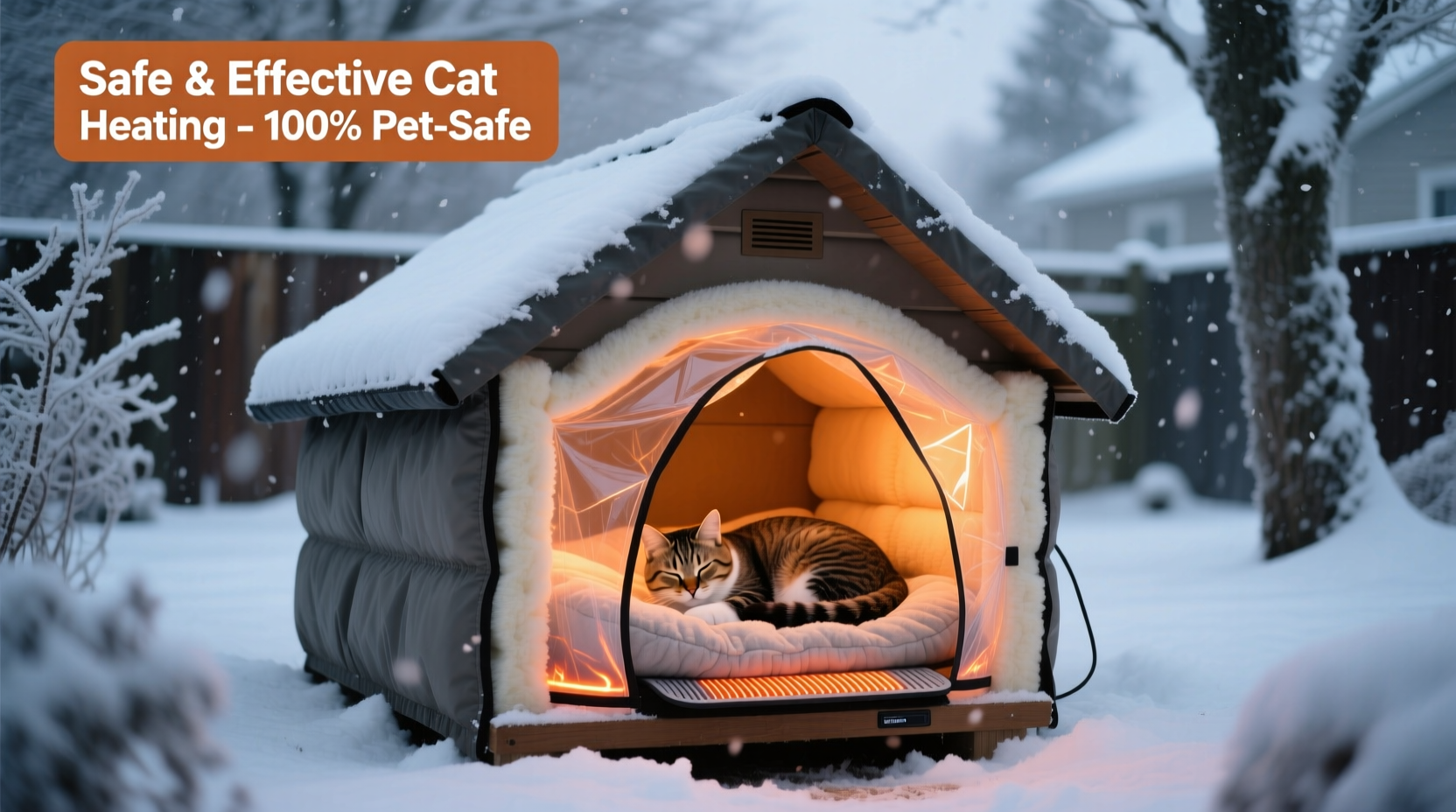
Cats are more resilient to cold than humans, but their tolerance has limits. Most healthy adult cats can handle temperatures down to about 45°F (7°C) for short periods. Below 32°F (0°C), the risk of hypothermia increases significantly, especially for kittens, seniors, or cats with medical conditions. Unlike dogs, cats conserve body heat by curling up and reducing surface exposure, but they still need insulation and protection from wind, snow, and dampness.
A well-designed cat house should function as a thermal buffer—retaining body heat while blocking drafts. Heating it isn’t always necessary if the shelter is properly insulated and sized correctly. But when temperatures consistently fall below freezing, supplemental warmth becomes essential.
“Outdoor cats need shelters that trap body heat efficiently. A small, enclosed space with proper insulation often needs only minimal added heat to stay above freezing.” — Dr. Lena Reyes, DVM, Feline Welfare Specialist
Safe and Effective Heating Options
Not all heating methods are suitable for animal shelters. Electric blankets, space heaters, or unregulated heat lamps pose serious fire and burn risks. The best solutions are low-wattage, self-regulating, and specifically designed for pet use.
1. Heated Cat Pads with Thermostatic Control
Thermostatically controlled heated pads are among the safest options. These devices warm only when the ambient temperature drops and shut off automatically when not needed. Most operate at low wattage (around 20–40 watts) and generate gentle warmth, typically reaching 10–15°F above ambient temperature.
Place the pad on the floor of the cat house and cover it with a washable fleece mat or soft bedding. Never allow cats direct contact with the heating element, and ensure cords are secured out of reach.
Tip: Choose a heated pad labeled “self-limiting” or “UL-listed for pet use” to minimize fire risk.2. Microwaveable Heat Pads
For temporary warmth, microwaveable heat discs or rice-filled pads offer a cord-free alternative. Heat them according to instructions and place them inside the shelter before your cat enters. They typically provide warmth for 4–6 hours.
These are ideal for emergency situations or mobile feeding stations but require daily maintenance. Always check the surface temperature before placing it in the house to prevent burns.
3. Insulated Reflective Beds (No Electricity Needed)
Products like the K&H Pet Products Thermo-Kitty Mat use reflective technology to capture and radiate a cat’s own body heat. While not actively heated, these mats can raise the resting surface temperature by up to 10–12°F above air temperature.
They’re completely safe, require no power, and are excellent for mildly cold climates or as a supplement to other heating methods.
Design Principles for a Warm Cat House
The effectiveness of any heating method depends on the structure itself. A poorly built shelter will lose heat rapidly, making even the best heater inefficient.
Size and Insulation
The shelter should be just large enough for the cat to turn around and lie down comfortably. Excess space reduces heat retention. Ideal interior dimensions are approximately 18” x 18” x 18” for one cat.
Use rigid foam insulation (like extruded polystyrene) on all interior walls, floor, and ceiling. Avoid fiberglass, which degrades when wet and can irritate skin. Seal gaps with silicone caulk and elevate the house 2–4 inches off the ground using legs or a wooden base to prevent cold transfer from the soil.
Ventilation and Moisture Control
While sealing drafts is important, some airflow is necessary to prevent condensation and mold. A small ventilation hole (1” diameter) near the roof peak allows moist air to escape without creating a draft at floor level.
Use moisture-wicking bedding such as cedar shavings (in moderation) or closed-cell foam pads. Avoid cotton or fluffy fabrics that retain dampness.
| Feature | Do | Avoid |
|---|---|---|
| Insulation | Rigid foam boards, double-walled construction | Fiberglass, uninsulated wood |
| Entry | Small door flap, positioned away from wind | Large open entrance, facing prevailing winds |
| Floor | Elevated, insulated with waterproof underlayment | Direct ground contact, thin plywood |
| Heating | Self-regulating pet-safe pad, microwavable disc | Extension cords, human heating pads, exposed bulbs |
Step-by-Step Guide to Winterizing a Cat House
- Assess current shelter: Check for cracks, leaks, and signs of wear. Replace damaged materials.
- Insulate thoroughly: Line all interior surfaces with 1-inch rigid foam board. Tape seams with aluminum foil tape.
- Elevate the base: Mount the house on treated wood blocks or a plastic pallet to reduce ground chill.
- Install a door flap: Use a clear vinyl flap cut slightly larger than the entrance to block wind while allowing visibility.
- Add safe heat: Place a thermostatically controlled heated pad on the floor and cover with a removable fleece liner.
- Monitor regularly: Check weekly for moisture, pests, and pad functionality. Clean bedding monthly.
Real-World Example: Community Cat Colony in Upstate New York
In Ithaca, NY, a volunteer-run colony of 14 feral cats was struggling through a harsh winter. Initial shelters were wooden boxes with straw bedding, but temperatures inside frequently dropped below 20°F. After two cats developed mild frostbite on their ears, the caretakers upgraded the shelters using rigid foam insulation and installed K&H Lectro-Soft Heated Pads powered by weatherproof extension cords connected to a GFCI outlet in a nearby shed.
Each house was elevated, had a vinyl door flap, and used removable cedar-scented mats over the pads. Within a week, volunteers observed cats spending more time inside and fewer signs of shivering. No electrical incidents occurred over five winter months, and all cats remained healthy.
Frequently Asked Questions
Can I use a regular heating pad from a drugstore?
No. Human heating pads are not designed for continuous use and can overheat, posing a burn or fire risk. Only use products specifically made for pets with safety certifications.
How do I power a heated pad outdoors safely?
Use a grounded outdoor-rated extension cord connected to a GFCI (ground fault circuit interrupter) outlet. Route the cord overhead or through a conduit to prevent chewing. Consider a timer to limit operation to nighttime hours.
Is straw better than blankets for bedding?
Yes. Straw is superior because it repels moisture and creates insulating air pockets. Blankets and towels can become damp and conduct cold. Never use hay—it attracts pests and molds easily.
Final Checklist Before Winter Hits
- ✅ Shelter is insulated with rigid foam
- ✅ Floor is elevated off the ground
- ✅ Entry has a protective flap, shielded from wind
- ✅ Ventilation hole is present near the roof
- ✅ Heated pad is pet-safe, low-wattage, and secured
- ✅ Bedding is dry, replaceable, and non-absorbent
- ✅ Power source is safe, grounded, and weather-protected
- ✅ Structure is stable and anchored against wind
Conclusion: Warmth Is a Form of Care
Providing a warm, dry, and secure shelter for your outdoor cat is an act of compassion and responsibility. With thoughtful design and safe heating solutions, you can protect your feline from winter’s harshest effects without introducing new dangers. Whether you care for a single backyard explorer or a community colony, every cat deserves refuge from the cold.
💬 Have you winterized a cat house? Share your setup or ask questions in the comments—your experience could help another cat lover keep their pets safe this season.








