
Dog owners know that feeding time is more than just serving kibble—it's about maintaining hygiene. Over time, food residue, saliva, and bacteria build up in dog bowls, creating a breeding ground for germs. While many turn to harsh chemical cleaners, there’s a safer, natural alternative: white vinegar. When used correctly, vinegar effectively disinfects dog bowls without exposing pets to toxic residues. This guide explores science-backed methods to clean dog bowls with vinegar, ensuring a truly germ-free finish while keeping your pet safe.
Why Vinegar Works for Cleaning Dog Bowls
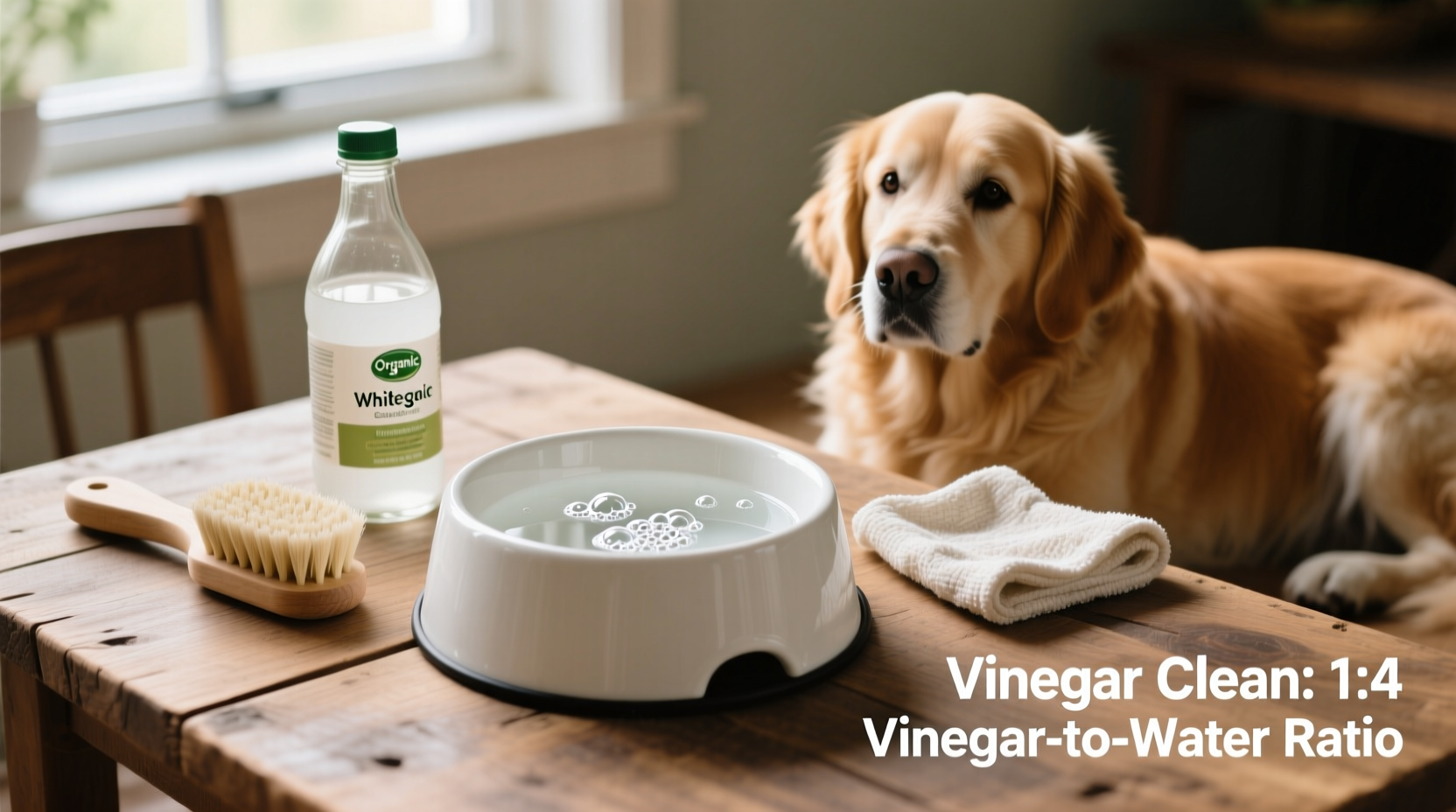
Vinegar—specifically distilled white vinegar—is a weak acid with acetic acid as its active component. Studies have shown that acetic acid disrupts the cell membranes of bacteria and viruses, making it an effective antimicrobial agent. It’s particularly useful against common pathogens like E. coli, Salmonella, and Staphylococcus aureus, all of which can colonize pet feeding areas.
Unlike bleach or synthetic disinfectants, vinegar leaves no harmful fumes or chemical traces once rinsed. It’s also affordable, biodegradable, and readily available. However, it’s important to note that vinegar is not a registered disinfectant by the EPA, so proper dilution, contact time, and technique are essential for maximum effectiveness.
Tip: Always use 5% acidity white vinegar—the standard grocery store variety—for cleaning. Avoid scented or flavored vinegars, which may contain additives unsafe for pets.Step-by-Step Guide: Deep Cleaning Dog Bowls with Vinegar
A thorough cleaning process ensures both visible grime and invisible microbes are removed. Follow this sequence for a deep, germ-free clean suitable for stainless steel, ceramic, and plastic bowls (check manufacturer guidelines for plastics).
- Empty and rinse: Remove leftover food and rinse the bowl under warm water to loosen debris.
- Pre-soak (if needed): For dried-on food, soak the bowl in warm water for 10–15 minutes.
- Prepare vinegar solution: Mix 1 part white vinegar with 1 part warm water in a spray bottle or basin. For stronger disinfection, use undiluted vinegar on non-porous surfaces.
- Apply and dwell: Spray or pour the solution into the bowl. Let it sit for at least 30 minutes—this dwell time is crucial for microbial kill.
- Scrub thoroughly: Use a non-abrasive sponge or brush to scrub all interior surfaces, paying attention to crevices and rims where biofilm forms.
- Rinse completely: Rinse under running water until no vinegar odor remains. Residual vinegar can deter dogs from eating.
- Air dry: Place the bowl upside down on a clean rack. Air drying prevents recontamination from towels.
This method should be performed at least once a week. After each meal, a quick wash with soap and water is still recommended to prevent buildup.
Do’s and Don’ts of Using Vinegar on Pet Bowls
| Action | Do | Don’t |
|---|---|---|
| Cleaning frequency | Deep clean weekly; daily wash with mild soap | Leave bowls uncleaned for days |
| Vinegar type | Use plain 5% white vinegar | Use apple cider or scented vinegar |
| Contact time | Let solution sit 30+ minutes | Wipe off immediately after spraying |
| Bowl materials | Safe for stainless steel, ceramic, glass | Avoid prolonged exposure on aluminum or copper |
| Rinsing | Rinse thoroughly with fresh water | Leave vinegar residue behind |
Plastic bowls require extra caution. Their porous surface traps bacteria and can degrade over time, especially when exposed to acidic solutions. Inspect plastic bowls regularly for scratches or cloudiness—these are signs they should be replaced.
Real Example: How One Family Reduced Their Dog’s Recurring Infections
The Thompson family noticed their rescue dog, Max, frequently developed skin irritations and ear infections. After ruling out allergies and diet, their vet suggested evaluating environmental hygiene, including feeding equipment. They began using a vinegar-based cleaning routine on Max’s stainless steel bowl, replacing his cracked plastic one. Within three weeks, Max’s flare-ups decreased significantly. A follow-up swab test of the bowl showed a 90% reduction in bacterial load compared to previous samples.
“We had no idea how dirty a ‘clean-looking’ bowl could be,” said Sarah Thompson. “Switching to vinegar and weekly deep cleans made a real difference in Max’s health.”
“Pet feeding areas are often overlooked hotspots for bacteria. Natural acids like vinegar offer a practical, low-risk way to maintain hygiene without introducing toxins into your pet’s environment.” — Dr. Lena Patel, DVM, Veterinary Preventive Care Specialist
Enhancing Results: Combining Vinegar with Baking Soda
For stubborn stains or odors, pairing vinegar with baking soda boosts cleaning power. Baking soda acts as a gentle abrasive and deodorizer, while vinegar dissolves mineral deposits and kills microbes.
To use this combination:
- Sprinkle baking soda inside the bowl.
- Add enough vinegar to create a fizzing reaction.
- Let it bubble for 10 minutes, then scrub and rinse.
This method is excellent for removing tea-stain-like discoloration in ceramic bowls or eliminating lingering food smells in stainless steel. Avoid using this on delicate glazes or painted surfaces, as the abrasion may cause damage.
Tip: Never mix vinegar with bleach or hydrogen peroxide. This creates dangerous fumes. Stick to one natural cleaner at a time.Frequently Asked Questions
Is vinegar safe for dogs if residue remains?
While vinegar is non-toxic in small amounts, strong residual taste or smell may discourage your dog from eating. Always rinse thoroughly with clean water after cleaning. If your pet refuses food afterward, double-check your rinsing process or reduce vinegar concentration.
Can I put vinegar-cleaned bowls in the dishwasher?
Yes, but only if the bowl is labeled dishwasher-safe. Stainless steel and ceramic bowls typically withstand dishwashers well. Run them on a high-heat cycle for added sanitization. Note: Vinegar should not be used as a dishwasher detergent substitute, as it can corrode rubber seals over time.
How often should I replace my dog’s bowl?
Replace plastic bowls every 6–12 months or sooner if scratched. Stainless steel and ceramic bowls last years if not cracked or chipped. Regular inspection helps prevent bacterial harborage in damaged surfaces.
Final Checklist for a Germ-Free Dog Bowl Routine
- Choose non-porous bowls (stainless steel or ceramic) when possible.
- Wash bowls daily with warm, soapy water.
- Deep clean weekly using a 1:1 vinegar-water solution.
- Allow at least 30 minutes of contact time before rinsing.
- Air dry completely before reuse.
- Inspect bowls monthly for wear and tear.
- Replace plastic bowls regularly to avoid bacterial buildup.
Maintaining clean dog bowls isn’t just about appearance—it’s a critical part of your pet’s health regimen. Biofilms formed in poorly cleaned bowls can harbor antibiotic-resistant bacteria, increasing the risk of gastrointestinal and skin issues. By integrating vinegar into your cleaning routine, you adopt a proven, eco-friendly method that protects both your pet and your home environment.
🚀 Start today: Clean your dog’s bowl with vinegar tonight. Your pet will eat cleaner, safer meals—and you’ll gain peace of mind knowing their feeding space is truly germ-free.








