
Fleas and ticks are more than just nuisances—they pose real health risks to puppies, including anemia, skin infections, and transmission of dangerous diseases like Lyme disease and ehrlichiosis. Because puppies have developing immune systems and sensitive skin, choosing the right flea and tick treatment requires extra care. Not all products labeled for dogs are safe for young pups, and improper use can lead to adverse reactions. The goal is to eliminate parasites effectively while prioritizing your puppy’s safety and long-term well-being.
Understanding the Risks Fleas and Ticks Pose to Puppies
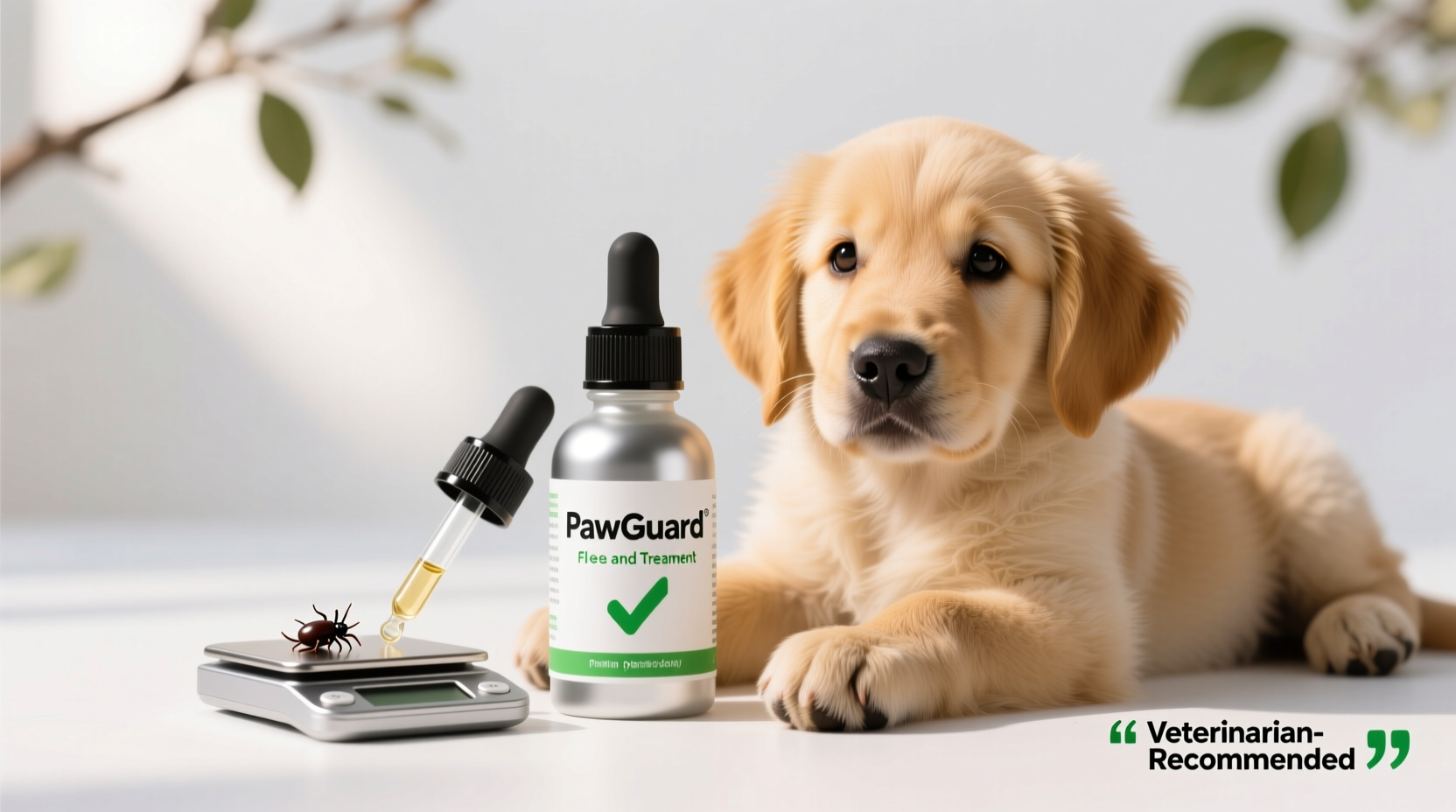
Puppies under 12 weeks of age are especially vulnerable to parasitic infestations. Their small body size means even a few fleas can cause significant blood loss, potentially leading to life-threatening anemia. Flea bites also trigger allergic reactions in some puppies, resulting in intense itching, hair loss, and secondary bacterial infections. Ticks, on the other hand, embed into the skin and can transmit pathogens within hours of attachment. Early detection and prevention are critical.
Common signs your puppy may have fleas or ticks include excessive scratching, biting at the skin, visible parasites in the fur, black specks (flea dirt), and scabs or redness on the skin. In severe cases, you might notice lethargy or pale gums—a sign of anemia.
Tip: Check your puppy daily for fleas and ticks, especially after outdoor play. Run your fingers through their coat and inspect warm, hidden areas like behind the ears, under the collar, and between the toes.Vet-Approved Treatment Options by Age and Weight
Never assume a product safe for adult dogs is appropriate for a puppy. Many over-the-counter treatments contain chemicals that can be toxic to young dogs. Always consult your veterinarian before starting any flea and tick regimen. Most prescription and vet-recommended products are tested specifically for safety in puppies above a certain age and weight.
Here's a general guideline based on common veterinary recommendations:
| Product Type | Minimum Age | Key Benefits | Cautions |
|---|---|---|---|
| Seresto Puppy Collar (Imidacloprid/Flumethrin) | 7 weeks | 8-month protection, water-resistant | Avoid in puppies with known sensitivities; monitor for skin irritation |
| NexGard Sweets (Afoxolaner chewables) | 8 weeks | Monthly oral dose, kills fleas in 4 hours | Not for puppies under 2 lbs; rare neurological side effects |
| Bravecto Chew (Fluralaner) | 8 weeks | 12-week protection from one dose | Use only as directed; avoid in dogs with seizure history |
| Revolution (Selamectin) | 6 weeks | Topical monthly treatment; also prevents heartworm | Apply to dry skin only; keep away from eyes |
| Flea combs & manual removal | All ages | Chemical-free, immediate action | Labor-intensive; doesn’t prevent reinfestation |
“Puppies require tailored parasite prevention. A product that’s safe for a 50-pound adult dog could be fatal for an 8-week-old pup.” — Dr. Laura Simmons, DVM, Veterinary Dermatology Specialist
Step-by-Step Guide to Safe Flea and Tick Management
Effective parasite control involves more than just applying a single treatment. It requires a coordinated approach across your puppy’s environment and routine. Follow this timeline to ensure comprehensive protection:
- Week 1: Consult Your Veterinarian
Provide your puppy’s exact age, weight, breed, and medical history. Get personalized recommendations for preventive treatments. - Day of Application: Read Instructions Carefully
Whether using a topical, chewable, or collar, follow dosage guidelines precisely. Never split doses or use adult formulations. - Daily: Perform a Physical Inspection
Use a fine-toothed flea comb to check for live fleas or tick nymphs. Focus on warm zones like the groin, armpits, and base of the tail. - Weekly: Wash Bedding and Toys
Use hot water (at least 130°F) to kill flea eggs and larvae. Dry on high heat for at least 20 minutes. - Monthly: Reapply Preventive (if required)
Set calendar reminders to stay consistent. Missing a dose increases risk of infestation. - Ongoing: Monitor for Side Effects
Watch for vomiting, lethargy, tremors, or skin irritation. Contact your vet immediately if symptoms appear.
Safe Alternatives and Natural Considerations
While many pet owners seek “natural” options, most essential oils, vinegar rinses, or herbal sprays lack scientific backing and can be harmful to puppies. Tea tree oil, citrus extracts, and pennyroyal are particularly toxic when ingested or absorbed through the skin.
If you prefer minimal chemical exposure, consider these safer alternatives:
- Flea combs with soapy water bath: Use a mild puppy shampoo and comb thoroughly every few days during active infestations.
- Environmental hygiene: Vacuum carpets, rugs, and furniture daily. Dispose of vacuum contents in sealed bags outside.
- Non-toxic sprays with food-grade diatomaceous earth: Only use externally and avoid inhalation. Apply sparingly and keep away from the face.
Remember: Natural does not always mean safe. Always discuss alternative approaches with your veterinarian before trying them on a young puppy.
Real-Life Example: Managing a Flea Outbreak in a 9-Week-Old Rescue
Mia adopted a 9-week-old mixed-breed puppy from a rural shelter. Within days, she noticed him scratching constantly. Upon inspection, she found several fleas and flea dirt near his tail. Concerned about using strong chemicals, she initially tried a diluted apple cider vinegar spray, which did nothing to stop the infestation.
She took the puppy to her vet, who recommended a single dose of Capstar (nitenpyram) to kill adult fleas quickly, followed by monthly Revolution treatments. The vet also advised washing all bedding, vacuuming daily, and treating her home with a vet-approved indoor spray containing insect growth regulators (IGRs).
Within 48 hours of Capstar, the scratching decreased significantly. After four weeks of consistent prevention and environmental cleanup, the infestation was fully resolved. Mia now uses monthly preventives year-round and checks her puppy weekly.
Checklist: Ensuring Safe and Effective Flea & Tick Protection
Action Plan for Puppy Owners:
- ✅ Confirm your puppy’s age and weight before selecting any product
- ✅ Schedule a vet consultation before starting treatment
- ✅ Choose a vet-approved product labeled safe for puppies
- ✅ Read and follow dosing instructions exactly
- ✅ Inspect your puppy daily for parasites
- ✅ Treat the environment (bedding, carpets, yard)
- ✅ Set reminders for monthly applications
- ✅ Watch for adverse reactions and report them promptly
Frequently Asked Questions
Can I use a flea shampoo on my 6-week-old puppy?
Yes, but only if it’s specifically formulated for puppies under 12 weeks. Avoid shampoos containing permethrin or pyrethrins unless directed by a vet. Always dilute according to instructions and rinse thoroughly to prevent skin irritation.
How soon after birth can puppies be treated for fleas?
Most topical and oral treatments are not approved for puppies younger than 6–8 weeks. For younger infants, mechanical removal with a flea comb and strict environmental control are the safest options. Consult your vet before using any product on neonatal puppies.
Are flea collars safe for puppies?
Some are. The Seresto Puppy collar is approved for puppies as young as 7 weeks and offers long-lasting protection. However, avoid older-style collars with high concentrations of pesticides. Always supervise initial use to ensure no allergic reaction occurs.
Protect Your Puppy with Confidence
Choosing the best flea and tick treatment for your puppy doesn’t have to be overwhelming. With guidance from your veterinarian, access to safe and proven products, and a commitment to consistency, you can protect your young dog from parasitic threats without compromising their health. Prevention is far more effective—and less stressful—than dealing with a full-blown infestation. Start early, stay informed, and make parasite protection a non-negotiable part of your puppy care routine.
💬 Have questions about your puppy’s flea treatment plan? Share your experience or ask for advice in the comments—your insights could help another pet parent make a safer choice.








