Himalayan dog chews, traditionally made from hardened yak or cow milk, are prized for their durability and long-lasting chewability. While dogs enjoy gnawing on them in their natural hard state, some pets—especially younger puppies, senior dogs, or those with dental sensitivities—may struggle to break them down. A simple solution? Gently heating the chew softens its texture, enhances flavor release, and makes it more palatable. However, not all heating methods are created equal. Done incorrectly, overheating can lead to structural breakdown, choking hazards, or even burns. This guide explores proven, veterinarian-approved techniques to safely warm Himalayan chews, maximizing taste and enjoyment while prioritizing your dog’s well-being.
Why Heat a Himalayan Dog Chew?
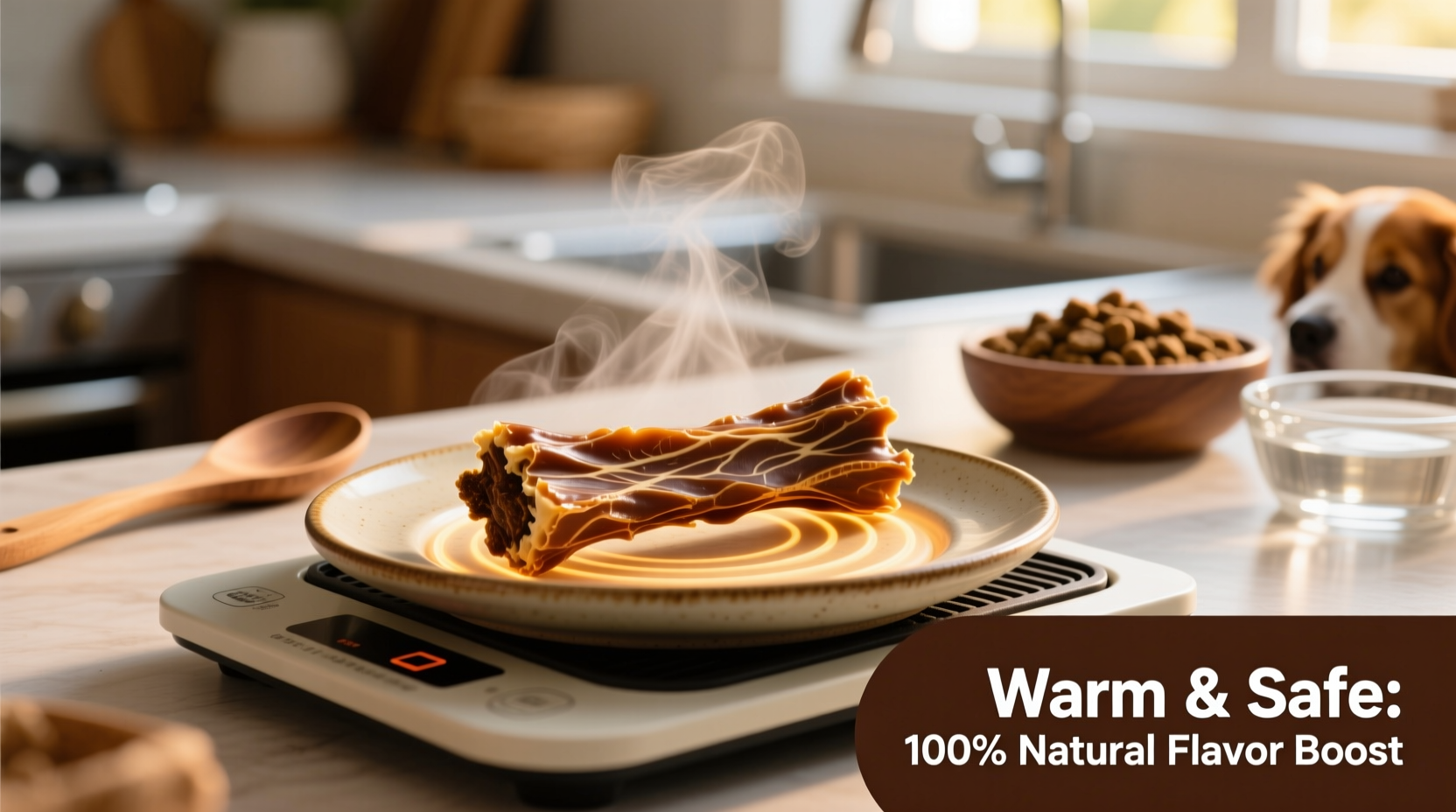
The appeal of heating a Himalayan chew lies in transforming its dense, rock-hard consistency into a softer, more aromatic treat. When warmed, the milk proteins and fats within the chew begin to loosen, releasing trapped flavors and creating a richer aroma that dogs find irresistible. This process mimics the natural warming effect of a dog’s mouth over time—but accelerates it for immediate enjoyment.
Additionally, softened chews are more accessible for dogs with weaker jaws or missing teeth. Rather than risking frustration or abandonment of the treat, a gently heated chew becomes manageable, encouraging longer chewing sessions that support dental health through natural plaque scraping.
Tip: Never microwave Himalayan chews without supervision—rapid heating can cause dangerous hot spots or combustion.Safe Heating Methods: Step-by-Step Guide
Heating a Himalayan chew requires patience and precision. The goal is gradual, even warming—not melting or burning. Below are four reliable methods, ranked by safety and effectiveness.
- Oven Method (Recommended)
Preheat your oven to 170°F (77°C), the lowest setting available. Place the chew on a baking sheet lined with parchment paper. Heat for 5–8 minutes, checking every 2 minutes. The chew should feel warm and slightly pliable but still intact. Remove immediately and let cool for 2–3 minutes before offering it to your dog. - Toaster Oven (Controlled Alternative)
Ideal for smaller households, toaster ovens offer better temperature control. Follow the same steps as the conventional oven method, ensuring the chew doesn’t touch heating elements. Use a timer to avoid overexposure. - Warm Water Soak
For a no-heat option, submerge the chew in warm (not boiling) water for 3–5 minutes. This softens the outer layer while preserving structural integrity. Drain and pat dry before serving. This method is excellent for sensitive dogs or first-time users. - Stovetop Steaming (Advanced)
Place a steamer basket over simmering water and position the chew inside. Cover and steam for 2–3 minutes. This preserves nutrients better than direct heat and reduces the risk of scorching. Monitor closely to prevent over-softening.
What Not to Do
Avoid high-temperature shortcuts. Boiling water, grilling, or broiling may seem efficient, but they compromise safety. Excessive heat can cause chews to blister, splinter, or release unpleasant odors. Microwaving, though tempting, leads to uneven heating—some parts may remain cold while others become dangerously hot.
| Method | Time Required | Safety Level | Best For |
|---|---|---|---|
| Oven (Low Temp) | 5–8 min | ★★★★★ | All dogs, especially seniors |
| Warm Water Soak | 3–5 min | ★★★★☆ | Puppies, sensitive chewers |
| Toaster Oven | 5–7 min | ★★★★☆ | Small-batch preparation |
| Stovetop Steaming | 2–3 min | ★★★★☆ | Nutrient preservation |
| Microwave | 30–60 sec | ★☆☆☆☆ | Avoid |
Expert Insight on Chew Safety and Palatability
Veterinarians emphasize that while enhancing treat appeal is beneficial, pet safety must come first. Dr. Lena Torres, a board-certified veterinary nutritionist, explains:
“Dental chews serve both nutritional and behavioral purposes. When modifying them, we must ensure we’re not introducing new risks. Gentle warming can improve palatability and accessibility, but owners should never alter the chew’s fundamental composition. If it starts smoking, smells burnt, or crumbles abnormally, it’s been overheated.” — Dr. Lena Torres, DVM, Veterinary Nutrition Specialist
She also notes that consistent texture changes post-heating can indicate low-quality ingredients. Authentic Himalayan chews should soften slightly but maintain cohesion. If the chew melts or turns oily, it may contain added fats or fillers not present in traditional recipes.
Real Example: Helping an Older Dog Enjoy His Favorite Treat
Max, a 12-year-old Shih Tzu, had always loved Himalayan chews but began avoiding them after losing several molars. His owner, Sarah, noticed he’d sniff the chew, paw at it, then walk away. Concerned about his declining interest in dental exercise, she tried the warm water soak method. After three minutes in warm water, the chew softened just enough for Max to grip comfortably. To her delight, he chewed steadily for 15 minutes—longer than he had in months. Over time, Sarah transitioned to the low-oven method for deeper softening, always allowing a cooling period. Max now looks forward to his “warm snack” twice a week, maintaining jaw activity without strain.
Tip: Always supervise your dog during and after heating to ensure they don’t bite off large chunks while the chew is softened.Checklist: Safe Heating Protocol
- ✔️ Confirm the chew is 100% natural with no artificial binders
- ✔️ Choose a low-heat method (oven under 180°F or warm water)
- ✔️ Set a timer to prevent overexposure
- ✔️ Check chew texture frequently during heating
- ✔️ Allow 2–3 minutes of cooling before giving to your dog
- ✔️ Supervise your dog during consumption
- ✔️ Discard if the chew becomes greasy, smoky, or overly soft
Frequently Asked Questions
Can I reheat a partially eaten Himalayan chew?
Yes, but only if it’s been stored properly. Dry the chew completely after your dog finishes, store in an airtight container at room temperature, and reheat using the same gentle method. Avoid reheating more than once to prevent bacterial growth or texture degradation.
Will heating reduce the chew’s longevity?
Slightly. A warmed chew may be consumed faster due to increased softness, but the dental benefits remain. The key is balance—occasional heating enhances enjoyment without undermining the chew’s purpose.
Are there any breeds or conditions where heating isn’t recommended?
Dogs with pancreatitis or fat-restricted diets should consume heated chews cautiously, as warming can increase fat bioavailability. Consult your vet before modifying treats for medically sensitive pets.
Conclusion: Enhance Flavor, Not Risk
Heating Himalayan dog chews offers a simple yet powerful way to elevate your dog’s treat experience. With the right approach, you unlock deeper flavors, improve accessibility, and support oral health—all without sacrificing safety. By choosing slow, controlled methods like low-temperature oven warming or warm water soaking, you respect the integrity of this traditional treat while adapting it to your pet’s needs.
💬 Have a favorite method for softening chews? Share your experience below and help fellow pet parents discover safer, tastier ways to treat their dogs!








