Dog bowls may seem like simple accessories, but they play a critical role in your pet’s daily health. Over time, food residue, saliva, and environmental contaminants accumulate on surfaces, creating a breeding ground for harmful bacteria such as *Salmonella*, *E. coli*, and *Leptospira*. A dirty bowl isn’t just unhygienic—it can contribute to skin infections, gastrointestinal issues, and even long-term immune stress. Cleaning your dog’s bowl properly and consistently is one of the easiest yet most overlooked aspects of responsible pet care.
Unlike human dishes, pet bowls are often left unwashed for days or rinsed quickly without deep sanitation. This casual approach can compromise your dog’s well-being. The right cleaning method depends on the bowl material, feeding frequency, and household environment. Whether you use stainless steel, ceramic, or plastic, each requires specific handling to maintain hygiene and durability.
Why Regular Bowl Cleaning Matters
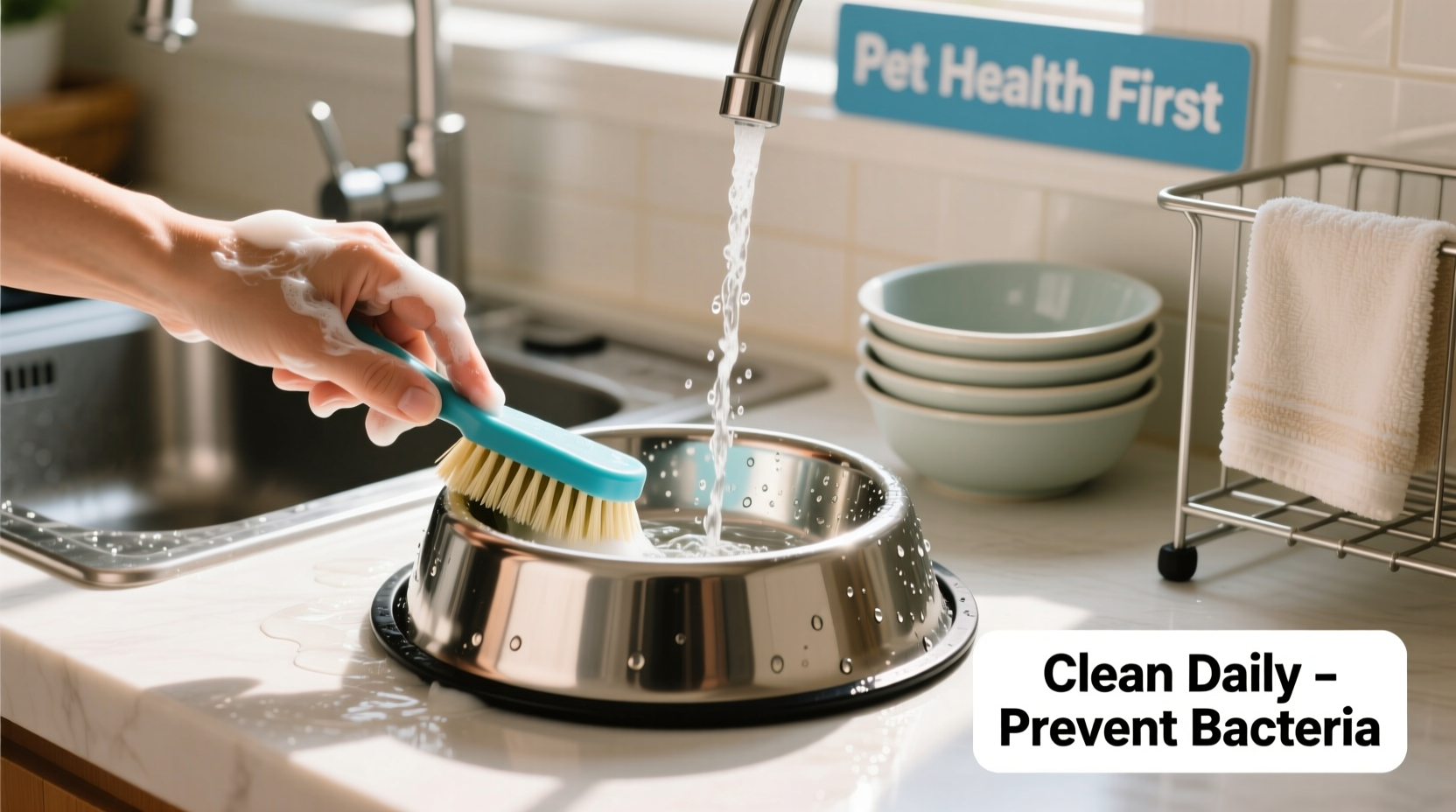
Dogs eat multiple times a day, and every meal leaves behind microscopic particles. Moist environments—especially from wet food or water left standing—accelerate bacterial growth. Biofilm, a slimy layer formed by colonies of bacteria, can develop within hours on inadequately cleaned surfaces. This film is resistant to casual rinsing and requires thorough scrubbing and disinfection.
A study published in the *Journal of the American Veterinary Medical Association* found that over 60% of pet feeding bowls tested positive for coliform bacteria after just 48 hours of use without proper cleaning. These pathogens can transfer to your dog’s mouth and digestive tract, potentially causing vomiting, diarrhea, or more severe infections—especially in puppies, seniors, or immunocompromised animals.
“Pet owners often overlook the bowl as a source of illness. A visibly clean bowl isn’t always hygienically clean. Regular sanitization should be non-negotiable.” — Dr. Laura Simmons, DVM, Board-Certified Small Animal Practitioner
Step-by-Step Guide to Deep Cleaning Your Dog Bowl
Cleaning your dog’s bowl shouldn’t be a rushed task. A systematic approach ensures both visible grime and invisible microbes are removed. Follow this routine for optimal hygiene:
- Empty and rinse immediately: After each use, discard leftover food and rinse the bowl with warm water to prevent residue from drying and hardening.
- Wash with hot, soapy water: Use a dedicated pet dish sponge and dish soap. Scrub all surfaces, including the base and rim, for at least 30 seconds.
- Disinfect weekly: Soak the bowl in a solution of 1 tablespoon of unscented chlorine bleach per gallon of water for 10 minutes. Rinse thoroughly afterward.
- Air dry completely: Place the bowl upside down on a clean rack. Avoid using towels, which can reintroduce bacteria.
- Inspect for wear: Check for cracks, scratches, or discoloration—especially in plastic bowls—that can harbor bacteria.
Best Materials for Dog Bowls and Their Care Requirements
The type of bowl you use directly affects how easy it is to keep clean and how safe it remains over time. Some materials resist bacteria better than others, while some degrade faster under frequent washing.
| Material | Hygiene Rating | Cleaning Method | Key Considerations |
|---|---|---|---|
| Stainless Steel | ★★★★★ | Dishwasher-safe; hand wash with soap and sanitize weekly | Durable, non-porous, resists rust and scratching |
| Ceramic | ★★★★☆ | Hand wash only; avoid abrasive pads; check for glaze cracks | Heavy and stable, but can chip; ensure lead-free glaze |
| Plastic | ★★☆☆☆ | Hand wash daily; replace monthly due to micro-scratches | Scratches easily, harbors bacteria; linked to chin acne in dogs |
| Silicone (collapsible) | ★★★☆☆ | Hand wash or dishwasher-safe; inspect for tears | Portable but less rigid; prone to staining from pigmented foods |
For maximum hygiene, veterinarians recommend stainless steel bowls for daily use. They are non-reactive, easy to sterilize, and do not leach chemicals into food or water.
Common Mistakes That Compromise Hygiene
Even well-intentioned pet owners make errors that reduce the effectiveness of their cleaning routine. Avoid these common pitfalls:
- Relying only on rinsing: Water alone doesn’t remove biofilm or kill bacteria.
- Using harsh abrasives: Steel wool or gritty cleaners scratch surfaces, creating hiding spots for microbes.
- Sharing human dishwashing tools: Cross-contamination between pet and human dishes increases infection risk.
- Ignoring the base and outer rim: Bacteria thrive in areas where paws or nose contact occurs.
- Letting bowls air-dry indoors in humid areas: Dampness encourages mold and yeast growth.
Mini Case Study: Resolving Recurring Chin Acne in a Labrador
Mark, a dog owner in Portland, noticed his three-year-old Labrador, Max, developed persistent chin acne and mild odor around the mouth. Despite a high-quality diet and regular grooming, the condition flared weekly. A veterinary dermatologist traced the issue to Max’s old plastic food bowl, which had fine scratches despite appearing clean. The vet advised switching to stainless steel and implementing a daily washing routine with hot, soapy water and weekly bleach soaking.
Within two weeks of the change, Max’s skin irritation subsided. Mark now replaces any bowl showing signs of wear and uses a UV sanitizer for extra assurance when traveling. “I never thought a bowl could cause such a problem,” Mark said. “Now I treat it like I would my own cutting board—clean, sanitized, and replaced when needed.”
Daily and Weekly Cleaning Checklist
Stay consistent with this actionable checklist to maintain a germ-free feeding zone:
- ✅ Empty and rinse bowl after every meal
- ✅ Wash with hot water and pet-safe dish soap daily
- ✅ Use a soft brush or non-abrasive sponge
- ✅ Sanitize with diluted bleach solution once per week
- ✅ Inspect for cracks, stains, or warping
- ✅ Replace plastic bowls every 1–2 months
- ✅ Store bowls in a dry, dust-free area
- ✅ Keep separate cleaning tools for pet dishes
FAQ: Common Questions About Dog Bowl Hygiene
Can I put my dog’s bowl in the dishwasher?
Yes, if it’s made of stainless steel or high-quality ceramic labeled dishwasher-safe. Place it on the top rack to avoid damage. Plastic bowls may warp or degrade over time, so hand washing is preferred.
How often should I replace my dog’s bowl?
Stainless steel and ceramic bowls can last years if undamaged. Replace plastic bowls every 4–8 weeks, or immediately if scratched. Any bowl with cracks or deep stains should be discarded, as these harbor bacteria.
Is vinegar a good alternative to bleach for sanitizing?
Vinegar has mild antimicrobial properties but is not strong enough to eliminate all pathogens like *Salmonella* or *Listeria*. For reliable sanitation, use a diluted bleach solution (1:10 ratio with water) or a pet-safe commercial disinfectant approved by the EPA.
Conclusion: Make Clean Bowls a Non-Negotiable Habit
Your dog’s bowl is more than a feeding tool—it’s a direct gateway to their health. Just as you wouldn’t eat off a dirty plate, your pet deserves the same standard of cleanliness. By choosing the right material, following a disciplined cleaning routine, and replacing worn items promptly, you significantly reduce the risk of infection and support long-term wellness.
Hygiene starts with awareness and ends with action. Commit today to treating your pet’s bowl with the same care as your own kitchenware. Your dog can’t speak up about discomfort caused by a contaminated bowl, but their health will reflect your effort.
💬 Have a tip or experience with pet bowl hygiene? Share your story in the comments and help other pet owners create safer feeding environments.








