Uninvited cats wandering into your yard may seem harmless at first, but persistent feline visitors can damage gardens, leave waste in flower beds, and disturb local wildlife. While it’s important to respect animals and avoid causing harm, property owners have the right to protect their space. The key lies in using humane, non-lethal methods that discourage cats from returning—without inflicting pain or stress. These strategies rely on altering the environment, leveraging natural deterrents, and maintaining consistency.
Understanding Why Cats Enter Your Yard
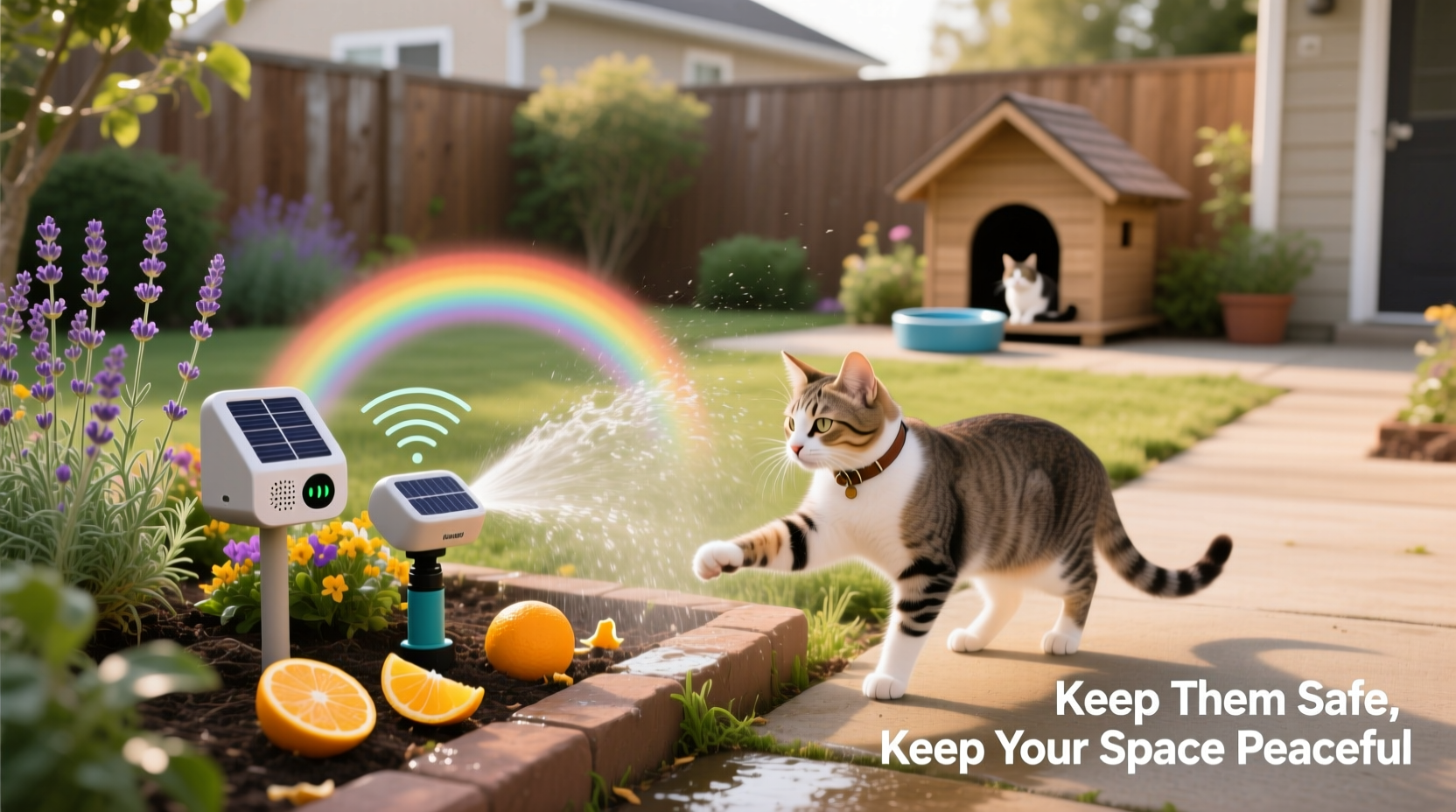
Cats are naturally curious and territorial. Outdoor and stray cats often roam in search of food, shelter, or a quiet place to rest. Your garden may offer soft soil for digging, shaded areas under bushes, or even leftover pet food that attracts them. Unneutered males may also mark territory with urine, creating recurring odor issues. Before implementing deterrents, assess what might be drawing cats in:
- Accessible food sources (pet bowls left outside, compost bins)
- Dense shrubbery or sheds offering shelter
- Soft, loose soil ideal for litter-box behavior
- Lack of strong scents or movement-based deterrents
By identifying these attractants, you can tailor your approach more effectively. Simply removing incentives often reduces visits significantly.
Tip: Never feed stray cats on your property if you wish to discourage their presence—consistent feeding creates dependency.Scent-Based Deterrents That Work
Cats have a powerful sense of smell and avoid certain odors instinctively. Using scent repellents is one of the most accessible and cost-effective ways to make your yard less appealing.
Common household items known to repel cats include:
- Citrus peels – Scatter orange, lemon, or lime rinds around garden borders.
- Coffee grounds – Used grounds not only deter cats but also enrich soil as they decompose.
- Mint or lavender plants – While pleasant to humans, strong herbal scents confuse and repel cats.
- Vinegar – Diluted white vinegar sprayed on fences or problem areas acts as a temporary barrier.
For longer-lasting results, consider commercial cat repellent sprays made from natural ingredients like citronella, eucalyptus, or predator urine (such as coyote or fox). These mimic danger signals and prompt avoidance behavior.
“Scent is one of the most underutilized tools in humane cat management. A well-placed odor barrier can redirect animal behavior without stress.” — Dr. Lena Torres, Wildlife Behavior Specialist
Physical and Environmental Modifications
Altering your landscape to be less inviting is a sustainable long-term solution. Cats prefer soft ground and concealed spaces. Making your yard less comfortable discourages lingering.
| Problem Area | Solution | Effectiveness Duration |
|---|---|---|
| Garden beds | Install chicken wire or plastic mats beneath mulch | Long-term |
| Shrubs and bushes | Add motion-activated sprinklers nearby | Ongoing with maintenance |
| Fences and patios | Use double-sided tape or aluminum foil on railings | Short-term; needs reapplication |
| Entry points | Seal gaps under decks with lattice or mesh | Permanent |
Another effective method is to cover soil in planters or flower beds with decorative rocks or gravel. Cats dislike walking on uneven or sharp surfaces, making these areas less attractive for digging.
Step-by-Step Guide to Cat-Proofing Your Garden
- Inspect your yard for signs of cat activity—tracks, droppings, disturbed soil.
- Remove attractants such as food bowls, open compost, or standing water.
- Apply scent deterrents around perimeter zones and vulnerable plants.
- Install physical barriers like mesh covers or prickly ground cover plants (e.g., rosemary or thorny camellias).
- Add motion-activated devices near entry points or frequented spots.
- Maintain consistently—reapply scents weekly and check barriers monthly.
Sound and Motion Devices
Electronic deterrents use sound or sudden movement to startle cats without harming them. These tools work best when rotated or repositioned periodically, as cats may grow accustomed to constant stimuli.
Popular options include:
- Motion-activated sprinklers – Emit a short burst of water when movement is detected. Surprising but harmless.
- Ultrasonic repellers – Emit high-frequency sounds inaudible to humans but unpleasant to cats.
- Wind chimes or hanging cans – Create unpredictable noise that disrupts a cat’s sense of safety.
Place these devices near garden entrances, under porches, or beside flower beds. For maximum impact, activate them during dawn and dusk—the times when cats are most active.
Mini Case Study: A Suburban Garden Transformed
In Portland, Oregon, homeowner Maria Thompson struggled with repeated cat intrusions damaging her vegetable patch. Despite fencing, neighborhood strays dug up seedlings and used the raised beds as litter boxes. She began by removing an outdoor rabbit hutch that had attracted scavengers. Next, she laid down a hidden layer of plastic mesh topped with mulch. Around the perimeter, she installed two motion-activated sprinklers aimed at common entry points.
Within three weeks, signs of cat activity dropped by over 80%. After adding citrus-scented spray every few days, no further incidents were reported. “I didn’t want to hurt anyone,” Maria said. “But I needed my garden back. These methods gave me peace of mind—and healthy tomatoes.”
What Not to Do: Common Mistakes
While protecting your property is valid, some actions cross ethical or legal lines. Avoid these ineffective or harmful practices:
- Using ammonia – Though it mimics predator urine, it’s toxic to pets and children if spilled.
- Setting traps without intent to care – Trapping cats without contacting animal control or shelters can lead to distress or legal consequences.
- Yelling or chasing – This may scare cats temporarily but doesn’t prevent return visits.
- Using sharp objects or poisons – These are inhumane and potentially illegal.
Always prioritize solutions that do not cause injury, fear, or suffering. Humane deterrence builds community trust and supports responsible coexistence.
FAQ
Will ultrasonic devices hurt my own pets?
Most ultrasonic repellers are designed to target frequencies that affect cats and rodents but are generally tolerable for dogs. However, sensitive dogs may react initially. Test the device when your pet is present and observe behavior. If signs of distress occur, discontinue use.
How long does it take for deterrents to work?
Results vary. Some cats leave after one encounter with a motion-activated sprinkler, while others may take 2–3 weeks of consistent deterrent use to relocate. Persistence is key—cats establish routines and need repeated cues to change them.
Is it legal to keep cats off my property?
Yes, property owners can legally deter cats humanely. However, harming or trapping cats without authorization may violate animal protection laws. Always check local ordinances—some municipalities require permits for certain devices or prohibit specific actions.
Tip: Consult your local animal control agency before taking action—they may offer free resources or advice.Checklist: Humane Cat Deterrence Plan
- ✅ Remove food sources and secure trash bins
- ✅ Identify and seal hiding spots under decks or sheds
- ✅ Apply natural scent repellents (citrus, coffee, herbs)
- ✅ Install motion-activated sprinklers or ultrasonic devices
- ✅ Cover garden soil with rocks or mesh
- ✅ Monitor activity weekly and adjust strategy as needed
- ✅ Engage neighbors to adopt consistent practices
Conclusion
Keeping cats off your property doesn’t require conflict or cruelty. With thoughtful planning and consistent application, you can create an environment that naturally discourages feline visitors. The most effective approaches combine scent, texture, and surprise—using nature and technology in harmony. By focusing on prevention rather than punishment, you protect your space while respecting animal welfare.
💬 Have a humane tip that worked for you? Share your experience in the comments and help others find peaceful solutions to coexist with urban wildlife.








