Raccoons are intelligent, adaptable animals that often find their way into residential areas in search of food, shelter, or water. While they may seem harmless—or even endearing—when spotted rummaging through trash, their presence can lead to property damage, health risks, and potential conflicts with pets or people. The key to managing a raccoon problem lies not in aggression or extermination, but in safe, humane, and effective removal. With the right approach, homeowners can resolve raccoon intrusions without causing harm to the animal or violating local wildlife protection laws.
Understanding Raccoon Behavior
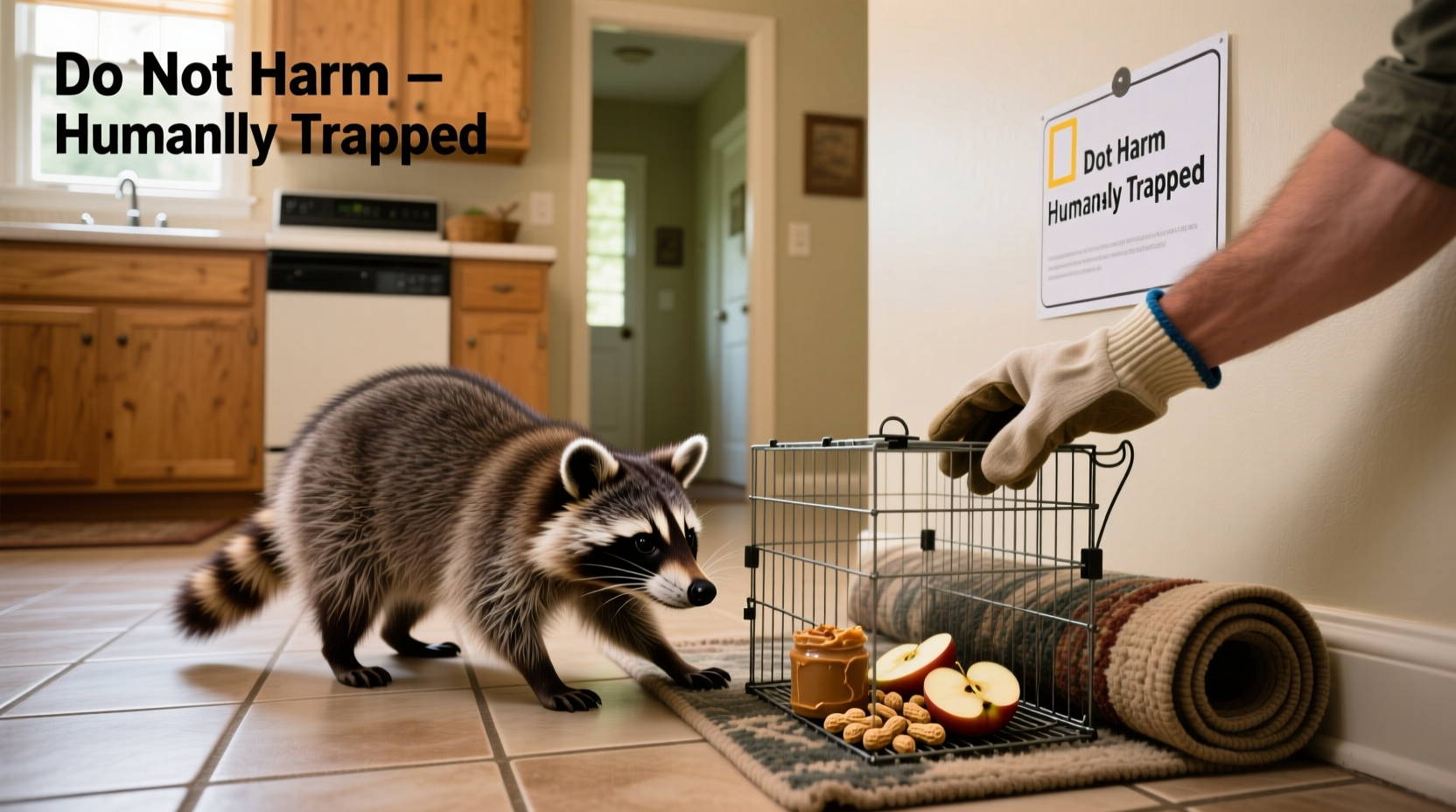
Raccoons (Procyon lotor) are nocturnal mammals known for their dexterous front paws and distinctive black facial masks. They thrive in urban and suburban environments due to easy access to food sources like unsecured trash, pet food, compost bins, and bird feeders. These animals are also excellent climbers and can squeeze into small spaces such as attics, chimneys, crawl spaces, and under decks.
Female raccoons often seek sheltered areas to raise their young between March and May. This means that any trapping or exclusion efforts must be timed carefully to avoid separating mothers from dependent kits, which could result in orphaned wildlife and unpleasant odors from decomposing animals inside your home.
“Raccoons aren’t inherently aggressive, but when cornered or protecting young, they can become defensive. A calm, strategic approach is always safest.” — Dr. Lena Torres, Urban Wildlife Biologist
Step-by-Step Guide: How to Catch a Raccoon Safely and Humanely
Catching a raccoon requires planning, patience, and adherence to ethical standards. Follow this timeline-based process to ensure both human safety and animal welfare.
- Assess the Situation: Confirm raccoon activity by looking for tracks (five-toed prints), droppings near entry points, overturned trash cans, or scratching noises in walls/attics.
- Determine Entry Points: Inspect your home’s exterior for gaps in soffits, damaged vents, uncapped chimneys, or loose siding. Mark all possible access points.
- Check for Dependents: Listen for high-pitched chirping sounds indicating babies. If young are present, delay trapping until they’re old enough to leave the den (typically late summer).
- Use a Live Trap: Purchase or rent a humane live trap (size: at least 32” x 10” x 12”). Bait it with canned tuna, peanut butter, or sweetened bread. Place it near the suspected entry point during evening hours.
- Monitor Regularly: Check the trap every 4–6 hours. Never leave a trapped animal unattended for more than 24 hours.
- Contact Local Wildlife Services: In many regions, it's illegal to relocate wildlife beyond a certain distance (often 1 mile). Coordinate with licensed rehabilitators or animal control for proper release protocols.
- Seal Entry Points: After removal, permanently close all access points using heavy-gauge wire mesh, metal flashing, or hardware cloth. Avoid sealing while animals are still inside.
Do’s and Don’ts When Dealing With Raccoons
| Do’s | Don’ts |
|---|---|
| Secure trash cans with locking lids or bungee cords | Leave pet food outdoors overnight |
| Install motion-sensor lights to deter nighttime activity | Approach a raccoon bare-handed, especially if it appears sick or aggressive |
| Use ammonia-soaked rags temporarily to discourage nesting (place near den entrance) | Use poison or glue traps—these are inhumane and often illegal |
| Hire a licensed wildlife removal professional if unsure | Release a trapped raccoon far from your property without checking local regulations |
| Clean contaminated areas with boiling water and disinfectant | Attempt to keep raccoons as pets—they are wild animals and unsuitable for domestication |
Real Example: Resolving an Attic Infestation
A homeowner in Cincinnati noticed persistent scratching above the ceiling each night. Upon inspection, they found droppings near the roofline and identified a gap beneath a gable vent. Instead of sealing immediately, they set up a one-way exclusion door after confirming no young were present. The adult raccoon exited at night and couldn’t return. Once clear, the family sealed the opening with galvanized mesh and installed a chimney cap. No trapping was required, and the solution prevented future entries.
This case highlights the effectiveness of exclusion techniques over direct capture, reducing stress on the animal and eliminating long-term liability for the homeowner.
Essential Checklist for Safe Raccoon Removal
- ✅ Confirm raccoon presence through signs (tracks, noise, waste)
- ✅ Identify whether young are present before taking action
- ✅ Choose a large, humane live trap with sensitive trigger mechanism
- ✅ Use strong-smelling bait placed at the back of the trap
- ✅ Cover the trap with a tarp or sheet to reduce stress on the captured animal
- ✅ Contact local animal control or wildlife rehabilitator before releasing
- ✅ Permanently seal all entry points using durable materials
- ✅ Sanitize affected areas with appropriate disinfectants
Frequently Asked Questions
Is it legal to trap and move a raccoon myself?
Laws vary significantly by state and municipality. In many places, including parts of California, New York, and Ontario, it is illegal to relocate trapped wildlife without a permit. Some jurisdictions require immediate euthanasia or transfer to authorized agencies. Always check with your local Department of Natural Resources or Fish and Wildlife office before proceeding.
What should I do if a raccoon bites or scratches me?
Wash the wound thoroughly with soap and running water for at least five minutes. Seek medical attention immediately—even minor wounds can transmit rabies or bacterial infections. Report the incident to local health authorities, who may attempt to capture and test the animal.
Can I use repellents instead of trapping?
Commercial repellents (ultrasonic devices, chemical sprays) have mixed results. While some homeowners report success with predator urine or bright lights, these methods rarely offer long-term solutions. Repellents work best as temporary deterrents while permanent exclusion measures are implemented.
Conclusion: Prioritize Safety, Humane Treatment, and Prevention
Effectively catching a raccoon at home isn’t just about setting a trap—it’s about understanding animal behavior, respecting legal and ethical boundaries, and implementing lasting prevention strategies. By using humane traps, coordinating with professionals when needed, and securing your property against future invasions, you protect both your household and the wildlife sharing your environment.
💬 Have experience with raccoon removal? Share your story or tips in the comments below. Your insights could help others handle similar situations safely and responsibly.








