Diarrhea in dogs is a common issue that can range from mild and temporary to a sign of a more serious health condition. While occasional loose stools may resolve on their own, persistent or severe cases require careful attention. Many pet owners prefer to start with gentle, at-home treatments before seeking veterinary intervention—especially when the dog remains active and hydrated. The key lies in identifying early signs, supporting recovery through proper diet and hydration, and knowing when professional help is necessary.
Understanding Canine Diarrhea: Causes and When to Worry
Dog diarrhea occurs when the digestive tract becomes irritated or inflamed, leading to frequent loose or watery stools. Common causes include dietary changes, food intolerance, ingestion of garbage or spoiled food, stress, parasites, bacterial infections, or side effects from medication.
In most cases, acute diarrhea lasts one to two days and resolves without treatment. However, you should be concerned if your dog shows any of the following symptoms:
- Blood or mucus in the stool
- Vomiting alongside diarrhea
- Lethargy or weakness
- Loss of appetite for more than 24 hours
- Pale gums or signs of dehydration (sunken eyes, dry nose, skin tenting)
- Diarrhea lasting longer than 48 hours
“While many cases of diarrhea are self-limiting, it’s crucial not to ignore persistent symptoms. Early intervention can prevent complications like dehydration or electrolyte imbalance.” — Dr. Laura Simmons, DVM, Small Animal Internal Medicine Specialist
Step-by-Step Guide to Managing Mild Diarrhea at Home
If your dog is otherwise acting normal—eating, drinking, playful—you may begin with conservative home care. Follow this timeline carefully:
- Withhold Food for 12–24 Hours: This allows the digestive system to rest. Do not fast puppies, senior dogs, or small breeds for more than 12 hours due to risk of hypoglycemia.
- Reintroduce Water Gradually: Offer small amounts every 30 minutes. If vomiting occurs, wait an hour and try again with even smaller sips.
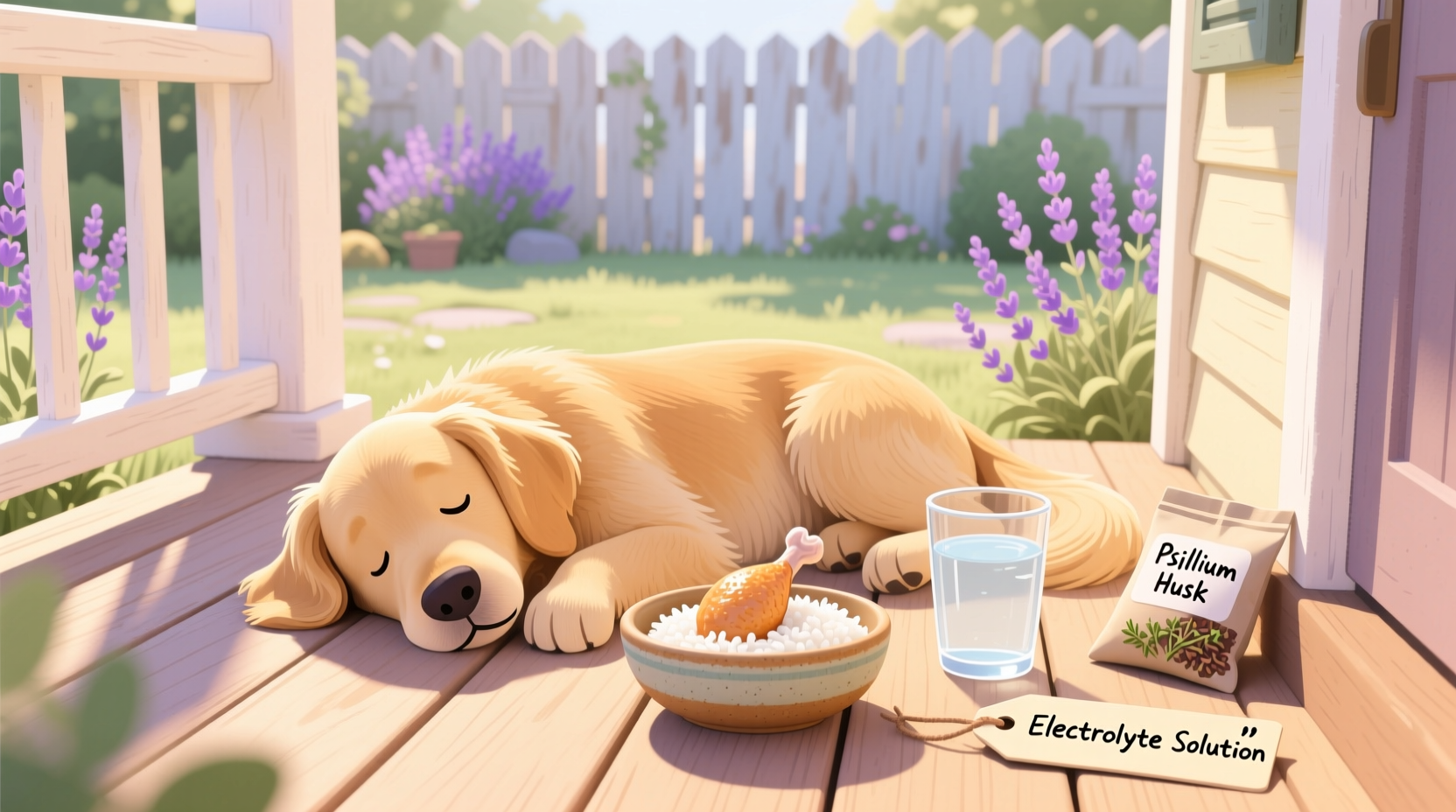
- Begin a Bland Diet: After fasting, introduce a simple meal such as boiled white meat chicken (no skin, no seasoning) and plain white rice in a 1:2 ratio. Feed small portions 3–4 times daily.
- Maintain the Bland Diet for 2–3 Days: As stools firm up, slowly reintroduce regular food over the next 2–3 days by mixing increasing amounts of kibble with the bland diet.
- Monitor Closely: Watch for improvement within 24–48 hours. If diarrhea persists beyond 72 hours, contact your veterinarian.
Gentle Remedies and Supportive Care
Certain natural supplements and dietary adjustments can soothe the gastrointestinal tract and support recovery:
- Pumpkin (Plain, Canned): Rich in soluble fiber, pumpkin helps regulate bowel movements. Add 1–4 tablespoons per meal depending on dog size (1 tsp for toy breeds, 1–2 tbsp for medium, up to 4 tbsp for large dogs).
- Probiotics: Beneficial bacteria like Enterococcus faecium or Bifidobacterium can restore gut flora balance. Choose veterinary-formulated products such as FortiFlora or Prostora.
- Slippery Elm: A natural demulcent, slippery elm coats the intestinal lining and reduces irritation. Dose according to weight: ¼ tsp for small dogs, 1 tsp for large dogs, mixed with water and given before meals.
- Boiled Potato (No Skin): Easily digestible and low-fat, potatoes can replace rice in dogs sensitive to grains.
Avoid giving human medications like Pepto-Bismol or Imodium unless directed by a vet. Some ingredients can be toxic to dogs.
Do’s and Don’ts During Recovery
| Do | Don't |
|---|---|
| Provide constant access to fresh water | Give milk or dairy products |
| Feed small, frequent bland meals | Offer treats, bones, or table scraps |
| Use vet-approved probiotics | Force-feed a dog refusing food |
| Keep your dog calm and rested | Allow scavenging or outdoor unsupervised time |
| Track stool frequency and consistency | Ignore worsening symptoms after 24–48 hours |
Real-Life Example: Max’s Recovery from Dietary Indiscretion
Max, a 3-year-old Labrador Retriever, developed sudden diarrhea after raiding the trash can during a family barbecue. His owner noticed soft, foul-smelling stools but no blood or vomiting. Max was still playful and drinking water normally.
Following a vet-recommended protocol, Max was fasted for 12 hours. Then, his owner introduced a boiled chicken and rice diet in small portions every six hours. Plain canned pumpkin (two tablespoons) was added twice daily. By day three, Max’s stools had firmed up. Over the next two days, his regular kibble was gradually reintroduced. No further issues occurred, and his routine returned to normal.
This case highlights how mild gastrointestinal upset from dietary indiscretion can often be managed successfully at home with observation and supportive care.
When to Seek Veterinary Care
Home treatment is appropriate only for mild, short-lived episodes. Seek immediate veterinary attention if:
- Your dog is very young, elderly, or has a chronic illness (e.g., diabetes, kidney disease)
- There is visible blood in the stool (especially dark, tarry feces indicating digested blood)
- Vomiting prevents fluid intake
- Abdominal pain is present (dog may whine, arch back, or resist belly touch)
- Dehydration is suspected—test skin elasticity by gently pulling the scruff; if it doesn’t snap back quickly, dehydration is likely
Vets may perform fecal tests, blood work, or imaging to rule out parasites, infections, or organ dysfunction. Treatment could include prescription diets, antibiotics, anti-nausea medication, or fluid therapy.
Frequently Asked Questions
Can I give my dog yogurt for diarrhea?
Plain, unsweetened yogurt with live active cultures can provide probiotics, but some dogs are lactose intolerant. Start with a small amount (1 teaspoon for small dogs, 1 tablespoon for large). If diarrhea worsens, discontinue use. Veterinary probiotic supplements are generally more reliable and potent.
How long should I keep my dog on a bland diet?
Typically 2–3 days after stools return to normal. Then transition back to regular food over 2–3 days by mixing increasing amounts of kibble with decreasing amounts of bland food. Sudden changes can trigger relapse.
Is it normal for my dog to have one episode of diarrhea?
Yes, isolated incidents are common and often caused by minor dietary changes or stress. As long as your dog is alert, hydrated, and eating, monitoring at home is reasonable. Recurrent or chronic diarrhea needs investigation.
Essential Home Care Checklist
Keep this checklist handy for quick reference during future episodes:
- ✅ Assess energy level and hydration status
- ✅ Withhold food for 12–24 hours (adjust for age/size)
- ✅ Offer small amounts of water frequently
- ✅ Prepare bland diet (chicken + rice or potato)
- ✅ Add plain pumpkin or vet-approved probiotics
- ✅ Monitor stool frequency and appearance
- ✅ Reintroduce regular food gradually
- ✅ Contact vet if no improvement in 48 hours or if red flags appear
Conclusion: Prioritize Gentle Care and Know Your Limits
Treating dog diarrhea at home can be both effective and compassionate when approached with knowledge and caution. Simple measures like fasting, hydration, and a bland diet often resolve mild cases quickly. Natural supports like pumpkin and probiotics enhance recovery without harsh interventions. But responsible pet ownership also means recognizing when a situation exceeds home care capabilities.
💬 Have experience managing your dog’s digestive issues? Share your story or tips in the comments—your insight could help another pet parent in need.








