Soft dog toys are more than just playthings—they’re companions, comforters, and often the first line of defense against canine boredom. But with daily chewing, drooling, and floor rolling, these plush friends quickly become breeding grounds for bacteria, mold, and allergens. Regular cleaning isn’t just about freshness; it’s a critical part of pet wellness. The challenge lies in maintaining cleanliness without damaging delicate fabrics or exposing pets to harsh chemicals. The good news: with the right techniques, you can keep soft toys clean, safe, and intact for months—or even years.
Why Cleaning Soft Dog Toys Matters
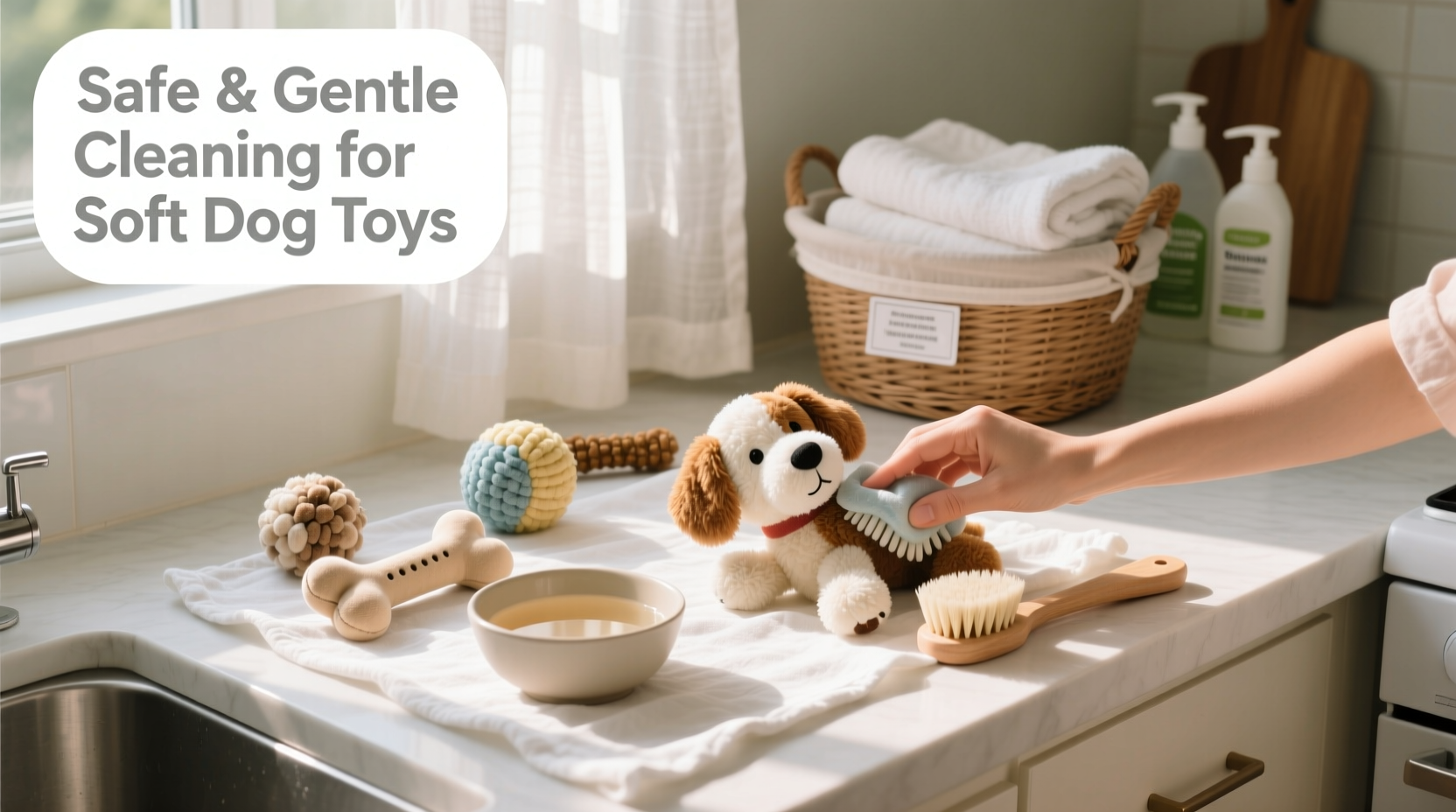
Dogs explore the world through their mouths, and soft toys are no exception. Over time, saliva, dirt, food residue, and outdoor contaminants accumulate deep within fibers. A 2023 study by the American Pet Products Association found that over 60% of pet owners rarely or never wash their dogs’ plush toys—yet nearly all reported their pets chewed or carried them daily.
Unclean toys can harbor harmful microbes like E. coli, yeast, and staphylococcus. These pathogens may lead to gastrointestinal issues, skin infections, or bad breath. For puppies or dogs with weakened immune systems, the risks are even greater. Regular cleaning reduces allergens, prevents odors, and extends toy life—making it a non-negotiable part of responsible pet care.
Tip: Rotate between 3–5 soft toys so each gets adequate rest and drying time between uses.Step-by-Step Guide to Washing Soft Dog Toys
Not all soft toys are created equal. Some have squeakers, others are made from synthetic fleece, while some feature embroidered details. Before washing, always check the manufacturer’s label. When in doubt, assume hand-washing is safest. Here’s a universal step-by-step method:
- Inspect and Sort: Separate toys by material and construction. Remove any loose stuffing, broken seams, or detached parts. Discard heavily damaged toys to prevent choking hazards.
- Pre-Treat Stains: Use a small brush or cloth dipped in a paste of baking soda and water to gently scrub stained areas. Let sit for 10 minutes.
- Choose Your Method: Decide between machine washing, hand washing, or spot cleaning based on toy durability (see table below).
- Wash Gently: Use cold or lukewarm water and a mild, fragrance-free detergent. Avoid bleach and fabric softeners, which can irritate a dog’s skin.
- Rinse Thoroughly: Residual soap can cause itching or digestive upset if ingested.
- Dry Completely: Air-dry flat in a well-ventilated area away from direct sunlight. Never use a dryer unless the label explicitly allows it—heat can melt internal components or shrink fabric.
Choosing the Right Cleaning Method: A Comparison
| Toy Type | Safe Method | Avoid | Drying Tip |
|---|---|---|---|
| Fleece or polyester plush (no electronics) | Machine wash (gentle cycle) or hand wash | Bleach, high heat | Air-dry flat; fluff occasionally |
| Toys with squeakers | Hand wash only | Machine agitation, soaking too long | Pat dry, then air-dry 24 hours |
| Organic cotton or hemp toys | Hand wash with natural soap | Harsh detergents, prolonged sun exposure | Shade dry to preserve fiber integrity |
| Stuffed toys with ribbons or plastic eyes | Spot clean only | Submerging, machine washing | Wipe and air-dry upright |
Expert Insight: What Veterinarians Recommend
Dr. Lena Patel, DVM, and pet wellness advocate, emphasizes preventive hygiene:
“Just like bedding or food bowls, soft toys should be cleaned weekly. Dogs with allergies or chronic licking behaviors benefit most from regular decontamination. I recommend using plant-based cleaners and avoiding anything with essential oils—many are toxic to pets.” — Dr. Lena Patel, DVM
She also warns against assuming “natural” means safe: tea tree oil, citrus extracts, and pine-based cleaners can be harmful if ingested during play. Stick to simple, vet-approved ingredients.
Alternative Cleaning Methods for Sensitive or Delicate Toys
Some toys can’t withstand water at all. For heirloom-quality plushes, handmade items, or sentimental favorites, consider these low-moisture alternatives:
- Vacuuming: Use a handheld vacuum with a brush attachment to remove surface dust and dander.
- Baking Soda Deodorizing: Sprinkle baking soda liberally, let sit for 30 minutes, then vacuum thoroughly. Neutralizes odors without moisture.
- UV Sanitizing: Use a pet-safe UV-C sanitizer box designed for small items. Effective for killing bacteria and mites without contact.
- Freezing: Place toys in a sealed bag and freeze overnight. This doesn’t remove dirt but can kill some parasites and reduce bacterial load.
Mini Case Study: Managing Toy Hygiene in a Multi-Dog Household
The Thompson family has two dogs—Milo, a 3-year-old Labrador, and Luna, a 7-month-old Cocker Spaniel puppy. Both love plush toys, but Luna tends to chew aggressively and carry her favorites to bed. Within weeks, toys became musty and discolored.
They implemented a rotation system: five soft toys divided into two sets. Every Sunday, one set is washed using a front-load washer on gentle cycle with hypoallergenic detergent, while the other set is used. They added a monthly soak in a vinegar-water solution (1 part vinegar to 4 parts water) for deeper disinfection. After three months, both dogs showed fewer signs of ear irritation and bad breath. The toys lasted longer, and the home smelled noticeably fresher.
Checklist: Monthly Soft Toy Maintenance Routine
- ☐ Inspect all soft toys for damage or wear
- ☐ Sort by cleaning method (machine-safe, hand-wash, spot-clean only)
- ☐ Pre-treat visible stains with baking soda paste
- ☐ Wash using mild, pet-safe detergent
- ☐ Rinse thoroughly until water runs clear
- ☐ Air-dry completely—ensure no dampness inside
- ☐ Perform a sniff test before returning to dog
- ☐ Discard any toy with torn seams, exposed stuffing, or foul odor post-wash
FAQ: Common Questions About Cleaning Soft Dog Toys
Can I use dish soap to wash dog toys?
Only if it’s fragrance-free and dye-free. Most dish soaps contain degreasers and surfactants that can irritate a dog’s skin or digestive tract if ingested. Opt for a castile soap or pet-specific cleaner instead.
How often should I clean soft dog toys?
At minimum, every two weeks. If your dog chews excessively, plays outdoors with the toy, or has health issues like allergies, weekly cleaning is ideal. Toys used as bedding should be cleaned weekly without exception.
Is vinegar safe for cleaning dog toys?
Yes, when diluted properly. A solution of one part white vinegar to four parts water is effective for disinfecting and deodorizing. Always rinse thoroughly afterward, as residual vinegar smell may deter some dogs from playing.
Conclusion: Prioritize Safety, Simplicity, and Consistency
Cleaning soft dog toys doesn’t require special equipment or expensive products. What it does require is consistency and care. By integrating gentle, effective cleaning methods into your routine, you protect your dog from hidden health risks and extend the joy each toy brings. Whether you choose hand-washing, machine cycles, or low-moisture alternatives, the goal remains the same: safe, hygienic playtime that supports your pet’s well-being.
💬 What’s your go-to method for keeping dog toys fresh? Share your tips or ask questions in the comments—let’s build a cleaner, safer play environment for every pup.








