For many cat owners, the joy of feline companionship comes with an unwelcome side effect: persistent cat litter odor. Even with regular scooping, unpleasant smells can linger or spread throughout a room—and sometimes the entire home. The good news is that eliminating these odors doesn’t require extreme measures or expensive gadgets. With the right combination of hygiene, ventilation, and odor-neutralizing strategies, you can keep your space fresh and inviting, no matter where the litter box lives.
Understanding the Source of Litter Box Smell
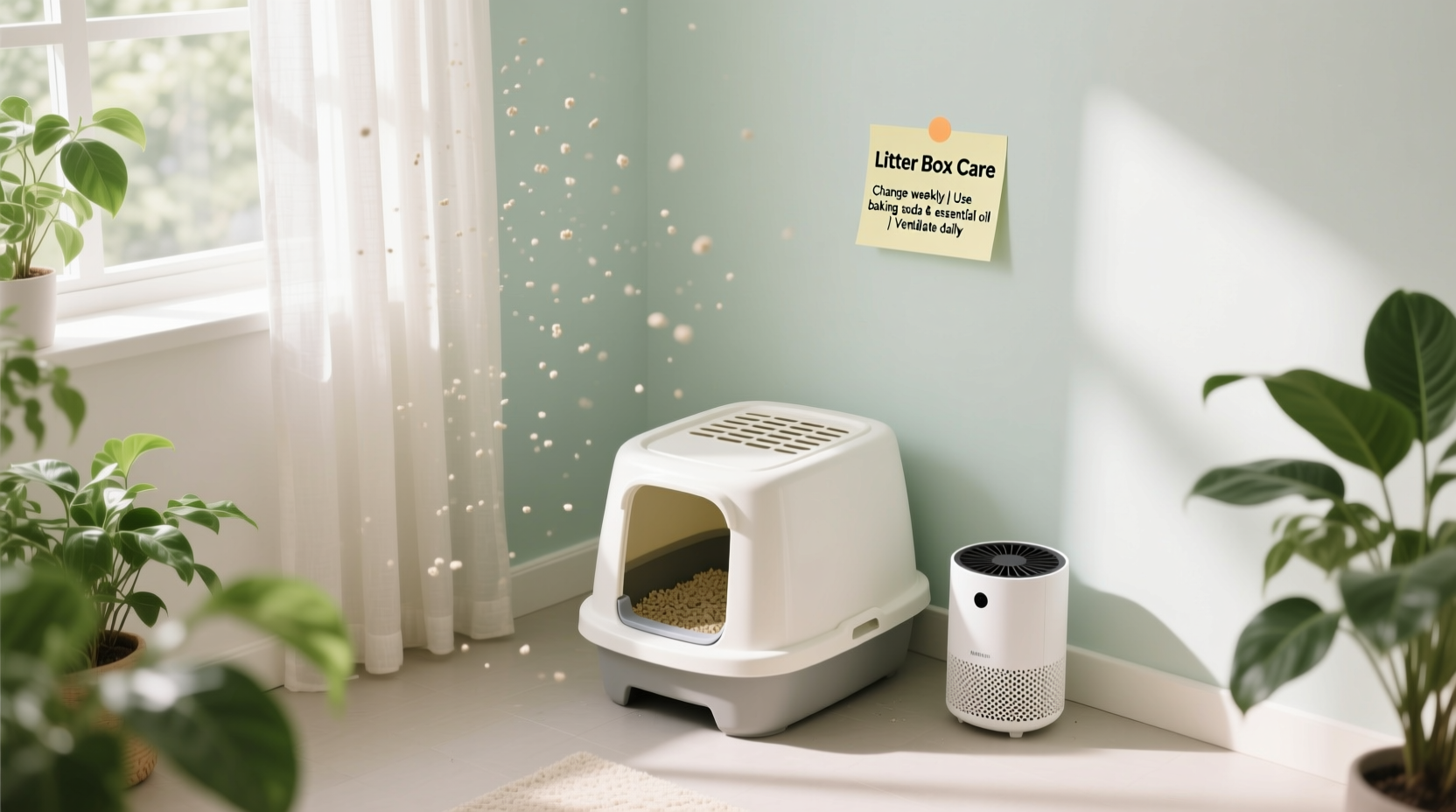
Cat urine contains urea, uric acid, and pheromones that break down into ammonia over time. This chemical process is what produces the sharp, pungent odor most people associate with litter boxes. Feces add to the problem with sulfur-based compounds. When moisture and warmth are present—common in indoor environments—bacteria multiply rapidly, accelerating odor production.
It’s not just about poor cleaning habits. Even well-maintained litter boxes can emit smells if the litter type isn’t absorbent enough, the box is too small, or airflow is limited. Addressing the root causes—not just masking the scent—is essential for long-term success.
“Odor control starts with understanding feline biology. Cats naturally bury waste, but their urine is highly concentrated, making it one of the strongest biological odors in household settings.” — Dr. Lena Patel, Veterinary Behaviorist
Step-by-Step Guide to Eliminate Cat Litter Smell
Follow this practical 5-step process to tackle litter odor at every level—from prevention to deep cleanup.
- Scoop Daily, Deep Clean Weekly: Remove solid waste and clumps at least once per day. Once a week, empty the entire box, wash it with mild, unscented soap and warm water (avoid ammonia-based cleaners), then refill with fresh litter.
- Choose the Right Litter: Opt for high-clumping, odor-controlling litters made from natural materials like corn, wheat, or silica crystals. These trap moisture and neutralize odors more effectively than clay or scented varieties, which often just mask smells.
- Replace Old Litter Boxes: Plastic boxes degrade over time, absorbing odors into microscopic pores. Replace your litter box every 6–12 months, or sooner if scratches or discoloration appear.
- Improve Ventilation: Place the litter box in a well-ventilated area. Use a small fan or air purifier nearby to circulate air and capture airborne particles.
- Treat the Surrounding Area: Odors settle into carpets, baseboards, and floors. Spray surrounding surfaces monthly with an enzymatic cleaner designed to break down organic residues.
Do’s and Don’ts of Odor Control
| Do | Don't |
|---|---|
| Use unscented, clumping litter with natural odor absorbers | Use heavily perfumed litters—they can irritate cats’ sensitive noses |
| Provide one litter box per cat, plus one extra | Place all boxes in the same location—spread them out |
| Wash hands after handling litter | Use bleach or ammonia-based cleaners on the box |
| Vacuum around the box weekly with a HEPA filter vacuum | Ignore subtle smells—they indicate buildup before it becomes severe |
| Try a covered box with front entry and carbon filter | Completely seal the box—poor airflow worsens odor concentration |
Real-Life Example: How One Homeowner Solved Chronic Litter Smell
Sarah, a pet owner in Portland, struggled with lingering cat odor despite daily scooping. Her two cats used a single uncovered box tucked under the bathroom sink. Guests often commented on the “damp basement” smell, even though her home was clean.
After consulting a pet hygienist, she implemented three key changes: she moved the box to a laundry room with better airflow, added a second box, and switched to a plant-based clumping litter with built-in charcoal. She also installed a $30 USB-powered air purifier near the corner.
Within two weeks, the odor disappeared completely. Sarah noted that her cats seemed less stressed too—likely due to reduced competition and improved air quality. Her experience shows that even small, targeted adjustments can yield dramatic results.
Top 5 Easy Odor-Fighting Solutions You Can Start Today
- Enzymatic Cleaners: Unlike regular disinfectants, these contain live enzymes that digest organic waste molecules. Apply weekly to floors and walls near the box.
- Activated Charcoal Filters: Place open containers near the litter area or use them in DIY air filters. They passively absorb volatile compounds.
- Baking Soda Layers: Add ½ cup to the bottom of the box before filling with litter. It’s safe, cheap, and highly effective.
- Air Purifiers with HEPA + Carbon Filters: Units like the Levoit Core 300 capture dust, dander, and odor molecules. Run it continuously on low.
- Litter Box Deodorizers (Natural Only): Sprinkle food-grade diatomaceous earth or zeolite granules lightly on top of the litter to absorb moisture and gases.
Checklist: Your 7-Day Plan to a Fresh-Smelling Room
Follow this checklist to systematically eliminate existing odors and prevent future buildup.
- ✅ Day 1: Empty litter box completely. Wash with warm water and mild dish soap. Rinse thoroughly.
- ✅ Day 2: Inspect surrounding floor and baseboards. Treat stained areas with enzymatic cleaner.
- ✅ Day 3: Replace old litter with a premium odor-control formula (e.g., World's Best Cat Litter or Dr. Elsey’s).
- ✅ Day 4: Place a small fan near the box to improve air circulation (point it away from the box to avoid disturbing your cat).
- ✅ Day 5: Install an air purifier with activated carbon filtration within 3 feet of the box.
- ✅ Day 6: Vacuum carpet and wipe hard floors in the entire room using an enzyme-based solution.
- ✅ Day 7: Evaluate results. If odor persists, consider relocating the box to a more ventilated area.
Frequently Asked Questions
Why does my cat’s litter box still smell even after scooping?
Scooping removes solids, but urine seeps into micro-cracks in plastic boxes and surrounding flooring. Over time, bacteria build up and continuously release ammonia. A full box wash, combined with enzymatic surface treatment, is needed to fully eliminate residual odor sources.
Is it safe to use baking soda in cat litter?
Yes, plain baking soda is non-toxic and commonly used by veterinarians as a safe odor absorber. Avoid scented or additive-laden versions. Use in moderation—no more than ½ cup per standard box.
How many litter boxes should I have?
The general rule is one box per cat, plus one extra. For example, two cats should have three boxes. This prevents territorial avoidance and reduces waste concentration, both of which contribute to odor buildup.
Final Thoughts and Call to Action
Eliminating cat litter smell isn’t about perfection—it’s about consistency and smart choices. By combining proper hygiene, the right products, and strategic airflow, you can maintain a fresh-smelling home without compromising your cat’s comfort. The key is to act early, stay proactive, and treat odors at the source rather than covering them up.
You don’t need a complete overhaul to see results. Start with one change—like switching litter or adding a carbon filter—and build from there. Small steps lead to lasting improvements.
🚀 Ready to breathe easier? Pick one tip from this article and apply it today. Share your progress or ask questions in the comments—your experience could help another cat owner finally win the battle against litter box odor.








