Cleaning your cat’s litter box is a necessary part of pet ownership, but it doesn’t have to mean tracked litter, lingering odors, or daily frustration. With the right tools, techniques, and habits, you can maintain a clean, odor-free environment with minimal effort. The key lies in consistency, smart setup, and choosing products that work with your lifestyle—not against it.
A well-maintained litter box benefits both you and your cat. Cats are naturally fastidious animals; if their bathroom isn’t clean, they may choose to go elsewhere. By mastering the art of mess-free litter cleanup, you improve hygiene, reduce household stress, and strengthen your bond with your feline companion.
Choose the Right Litter Box Setup
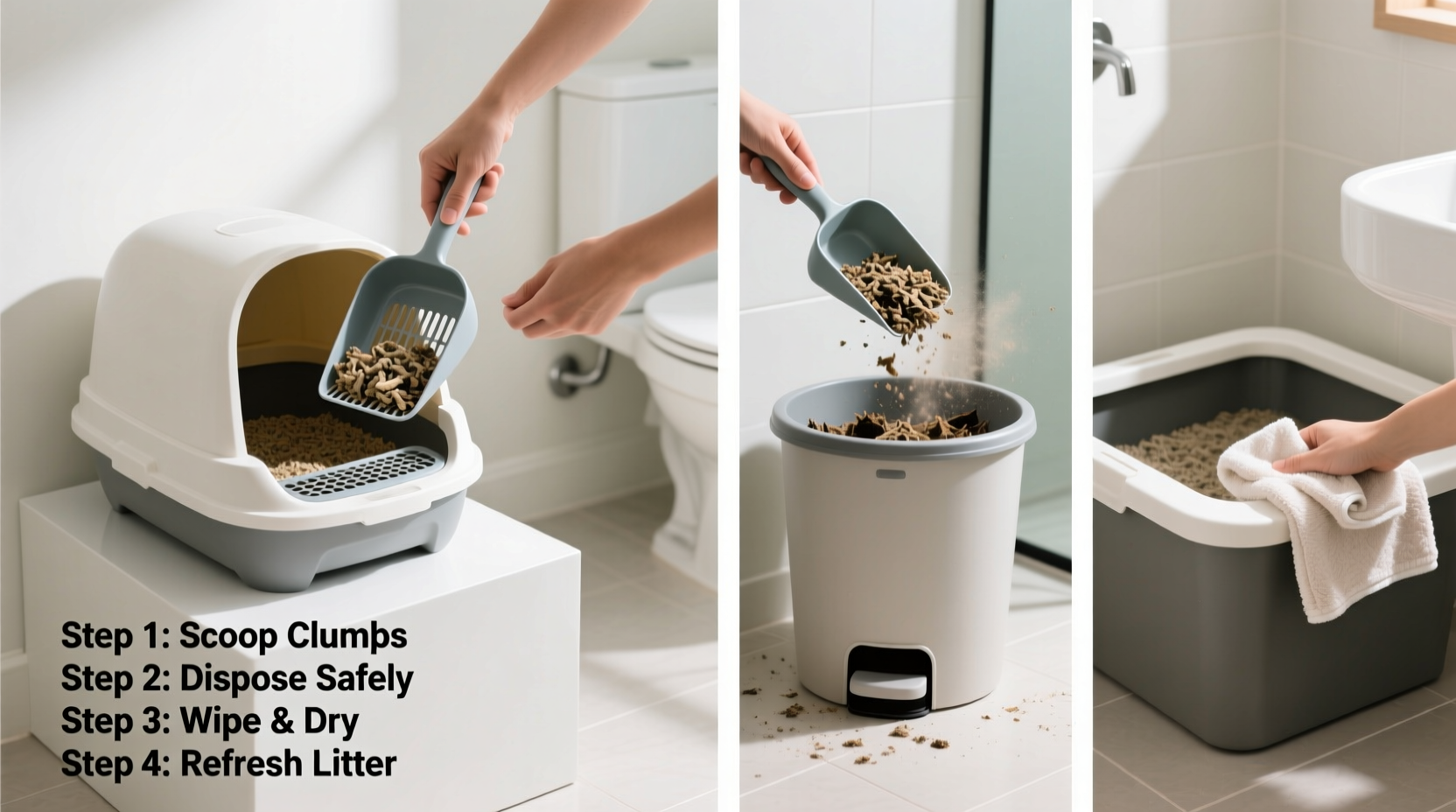
The foundation of a low-mess litter routine starts with the right equipment. Not all litter boxes are created equal. Many standard open trays allow litter to scatter with every leap in or out. Consider upgrading to a system designed to contain waste and minimize tracking.
- Top-entry litter boxes: These feature an opening on the top, which helps trap litter inside as your cat exits.
- High-walled or hooded boxes: These help contain sprays and reduce airborne dust, though they require more frequent cleaning to prevent odor buildup.
- Litter box furniture: Built-in cabinets or enclosures not only hide the box but also include entry tunnels lined with mats to catch stray particles.
Step-by-Step Guide to Daily Litter Maintenance
Daily scooping is non-negotiable for odor control and hygiene. However, doing it efficiently prevents unnecessary mess. Follow this streamlined process:
- Wear disposable gloves or keep a dedicated pair near the box to avoid cross-contamination.
- Use a high-quality sifting scoop with fine slits to separate clumps from clean litter effectively.
- Scoop slowly and thoroughly, working from one side of the box to the other to ensure no clumps are missed.
- Dispose of waste immediately in a sealed, odor-proof bag or a covered waste container.
- Wipe down the scoop with a disinfectant wipe before storing it to prevent bacterial transfer.
- Empty all remaining litter into a sealed compostable bag (if biodegradable) or trash.
- Wash the box with warm water and mild, unscented soap. Avoid ammonia or bleach-based cleaners, which can repel cats due to their strong scent.
- Rinse thoroughly and dry completely before refilling.
- Add fresh litter to a depth of 2–3 inches—deep enough for digging, shallow enough to discourage burial escape.
- Check for scratches or cracks in plastic boxes where bacteria can hide.
- Replace worn liners or defective components.
- Consider rotating litter types gradually if odor resistance becomes an issue.
- Switched from lightweight clay to walnut-based litter.
- Installed a top-entry litter box with a built-in mat.
- Added a second mat outside the box for double filtration.
- ✅ Scoop the box at least once per day
- ✅ Use a sifting scoop for efficient clump removal
- ✅ Place anti-tracking mats under and around the box
- ✅ Choose low-dust, low-tracking litter
- ✅ Wash hands after handling litter
- ✅ Deep clean the box weekly
- ✅ Store extra litter in sealed containers away from moisture
- ✅ Monitor your cat’s behavior for signs of avoidance or discomfort
This routine takes less than three minutes but makes a dramatic difference in cleanliness and air quality. Skipping even one day leads to faster odor development and increased risk of inappropriate elimination.
Best Litter Types for Minimal Tracking and Dust
Not all litters behave the same. Some are notorious for sticking to paws and spreading across floors. Choosing the right formula reduces mess at the source.
| Litter Type | Tracking Level | Dust Level | Best For |
|---|---|---|---|
| Clay Clumping | High | High | Budget-friendly, widely available |
| Silica Gel Crystals | Low | Very Low | Odor control, low maintenance |
| Paper Pellets | Medium | Low | Multicat homes, sensitive cats |
| Wood Pellets | Low-Medium | Low | Eco-conscious owners |
| Walnut or Corn-Based | Low | Low | Minimalist, natural homes |
Heavier, larger-grain litters like walnut or wood pellets tend to stick less to paws. Silica crystals absorb moisture quickly and produce almost no dust, making them ideal for households with allergies or respiratory concerns.
“Switching to a low-dust, low-tracking litter can cut litter scatter by up to 70%. It’s one of the most impactful changes a cat owner can make.” — Dr. Lena Patel, Feline Behavior Specialist
Deep Cleaning Routine: Weekly and Monthly Tasks
Daily scooping handles solids, but periodic deep cleaning prevents bacteria buildup and keeps the entire system fresh. Here’s a sustainable schedule:
Weekly: Replace & Refresh
Monthly: Inspect & Upgrade
Real-Life Example: How Sarah Reduced Litter Scatter by 80%
Sarah, a graphic designer living in a small apartment with two cats, used to dread cleaning. Litter coated her floors, and she found granules in her shoes daily. After researching solutions, she made three key changes:
Within a week, visible litter scatter dropped dramatically. Her cats adapted quickly, and vacuuming went from daily to twice a week. “I didn’t realize how much stress the mess was causing me until it was gone,” she said. “Now, it’s just part of my morning routine—quick, quiet, and clean.”
Essential Checklist for a Mess-Free Litter Routine
Keep this checklist handy near your cleaning supplies to stay on track:
Frequently Asked Questions
How often should I completely change the litter?
Even with daily scooping, replace all litter and clean the box thoroughly once a week. In multi-cat households, consider doing it twice weekly to manage odor and bacteria.
Why does litter stick to my cat’s paws?
Cats dig instinctively, kicking litter backward. Lightweight or fine-grained litters are more likely to cling. Using heavier litter and placing exit mats significantly reduces carry-out.
Can I use a robot litter box to reduce mess?
Self-cleaning boxes like the Litter-Robot can reduce physical labor and contain waste more effectively. However, they require maintenance, power, and may not suit all cats. Introduce them gradually and monitor your cat’s comfort level.
Final Thoughts: Make Cleanliness Effortless
Keeping a cat litter area clean doesn’t require heroic effort—just smart systems. The goal isn’t perfection but sustainability. When your tools, location, and routine align, cleanup becomes quick, predictable, and nearly invisible.
Start with one improvement: a better scoop, a new mat, or switching litter types. Build from there. Over time, these small upgrades compound into a cleaner home and a more content cat. Remember, a tidy litter box isn’t just about convenience—it’s a sign of respect for your pet’s instincts and well-being.
💬 What’s your best tip for keeping cat litter under control? Share your experience and help fellow cat owners create cleaner, happier homes!








