
As pet ownership rises globally, so does the environmental impact of pet care—especially when it comes to cat litter. Traditional clay-based litters are not only strip-mined under destructive conditions but also end up in landfills where they can take centuries to break down. For environmentally conscious cat owners, finding sustainable ways to dispose of cat litter is no longer optional—it’s essential. The good news? There are effective, safe, and practical alternatives that align with a greener lifestyle without compromising hygiene or convenience.
Why Eco-Friendly Cat Litter Disposal Matters
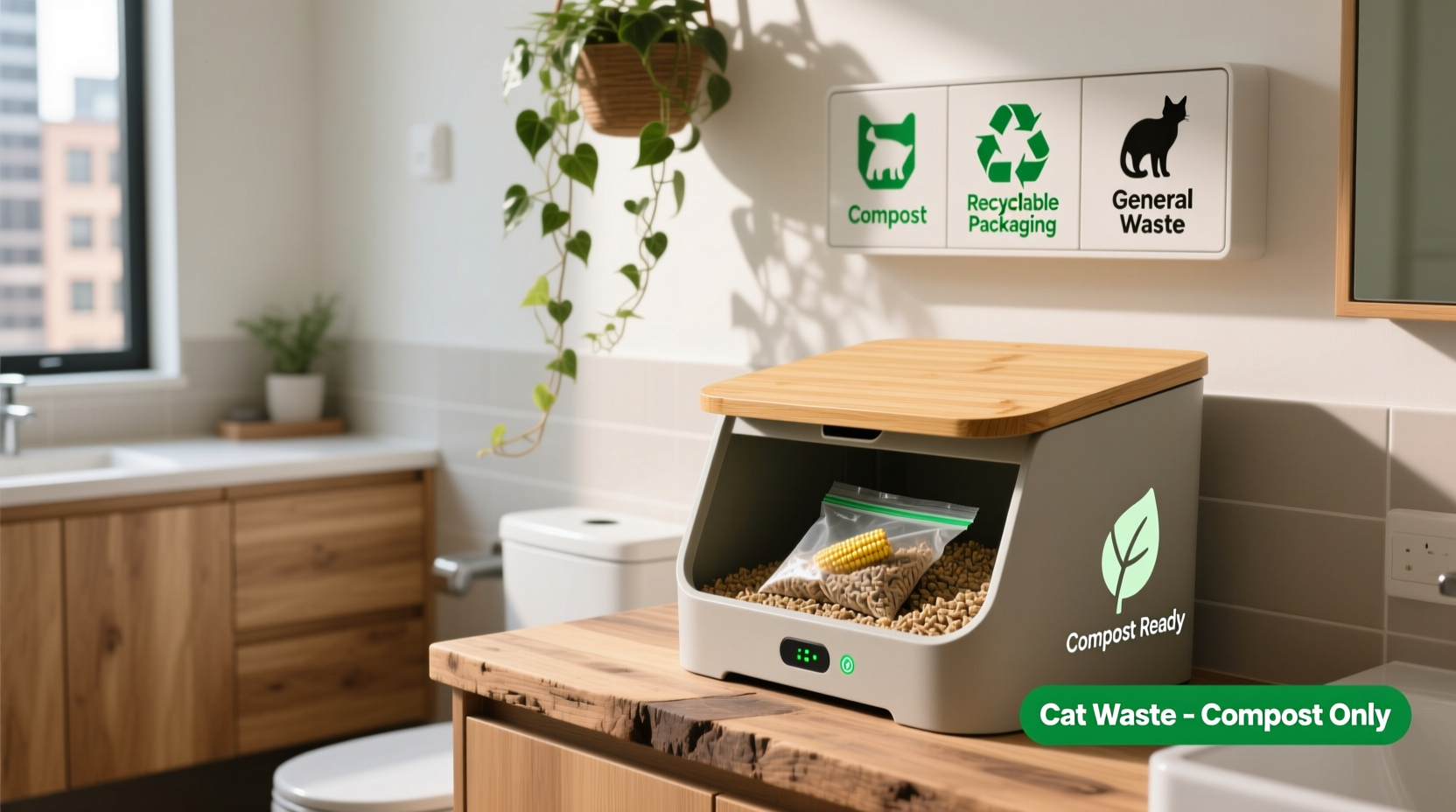
Over 30 million households in the U.S. alone own cats, generating an estimated 2 million tons of used cat litter annually. Most of this ends up in landfills. Conventional clay litters are derived from sodium bentonite, a non-renewable resource extracted through open-pit mining. This process disrupts ecosystems, consumes vast amounts of energy, and contributes significantly to carbon emissions. Once discarded, these litters do not decompose, creating long-term waste burdens.
Beyond the litter itself, the method of disposal adds another layer of concern. Flushing certain types of litter can introduce pathogens like Toxoplasma gondii into waterways, posing risks to marine life and human health. Plastic-lined bags used for scooping add microplastics to landfills. Together, these practices contribute to pollution, habitat degradation, and climate change.
Tip: Always verify if your cat litter is certified biodegradable by third-party organizations like OMRI or BPI before attempting composting or soil integration.Choosing the Right Litter for Sustainable Disposal
The foundation of eco-friendly disposal begins with the litter you choose. Not all “natural” litters are created equal. Some plant-based options may still contain synthetic fragrances or binders that hinder decomposition. Opt for litters made from renewable, compostable materials such as:
- Recycled paper – Made from post-consumer waste, highly absorbent, and fully compostable.
- Pine or cedar – Naturally antibacterial, low-dust, and breaks down efficiently.
- Corn or wheat – Clumping and biodegradable, though caution is needed around pets with grain sensitivities.
- Coconut coir – A byproduct of coconut farming, excellent moisture retention, and sustainable sourcing.
Avoid litters containing silica crystals or added perfumes. These may improve odor control temporarily but compromise environmental safety and respiratory health.
Safe and Practical Disposal Methods
Once you’ve selected a sustainable litter, proper disposal ensures your efforts aren’t undermined. Below are five viable methods, each suited to different living situations and levels of commitment.
1. Composting (For Biodegradable Litters Only)
Composting cat waste is possible—but with strict guidelines. Feline feces can carry parasites, so this method should never use compost intended for edible plants.
“Home composting of cat waste is feasible only when managed correctly. It must reach thermophilic temperatures (130–160°F) consistently to kill pathogens.” — Dr. Laura Allen, Environmental Microbiologist
To compost safely:
- Use a dedicated compost bin, separate from your kitchen compost.
- Mix used litter with high-carbon browns (dry leaves, straw).
- Maintain a temperature above 130°F using a compost thermometer.
- Allow material to cure for at least 6–12 months.
- Use finished compost only on non-edible landscaping (e.g., ornamental trees or flower beds).
2. Municipal Organic Waste Programs
Some cities now accept pet waste in municipal green bins or organics collection programs. Check with your local waste authority to see if cat litter made from natural materials qualifies. If permitted, bag waste in certified compostable bags and label clearly.
3. Backyard Burial
Burying waste in your yard is a low-tech solution. Dig holes at least 12–18 inches deep in areas away from vegetable gardens, water sources, and children’s play zones. Cover immediately to deter scavengers. Limit burial to small quantities to avoid soil saturation.
4. Flushable Litters (With Caution)
Only flush litters explicitly labeled as flush-safe and septic-system compatible. Even then, flush one clump at a time with plenty of water. Never flush feces if you’re on a septic system—pathogens may bypass treatment. Also, avoid flushing if you live in coastal regions where wastewater treatment may be inadequate.
5. Landfill as Last Resort
If none of the above are feasible, seal used litter in a compostable bag and dispose of it in general waste. While not ideal, this minimizes odor and reduces plastic contamination compared to conventional plastic bags.
Do’s and Don’ts of Eco-Friendly Disposal
| Do | Don't |
|---|---|
| Use biodegradable, plant-based litters | Use clay or silica-based litters |
| Dispose of waste in municipal compost if allowed | Mix cat waste with food scraps in home compost |
| Bury waste deeply in non-edible garden areas | Flush litter unless it's certified flushable |
| Wear gloves and wash hands after handling waste | Compost waste from kittens or sick cats |
| Store unused litter in airtight containers | Leave used litter exposed or in open bins |
Real-Life Example: How One Household Reduced Their Litter Footprint
The Rivera family in Portland, Oregon, switched from clay litter to pine pellets after learning about mining impacts. They began backyard composting using a sealed tumbler unit designated solely for cat waste. By layering waste with dry leaves and turning the pile weekly, they maintained high internal temperatures. After nine months, they used the resulting humus to fertilize their rose bushes—never on vegetables. Over two years, they diverted over 300 pounds of waste from landfills and reported improved odor control and lower long-term costs.
Checklist: Your Eco-Friendly Litter Disposal Action Plan
- ☐ Switch to a certified biodegradable, plant-based cat litter
- ☐ Research local organic waste policies for pet waste
- ☐ Set up a dedicated compost bin or burial system if space allows
- ☐ Purchase compostable waste bags (avoid plastic at all costs)
- ☐ Label disposal systems clearly to prevent cross-contamination
- ☐ Monitor compost temperature if managing thermophilic breakdown
- ☐ Educate household members on safe handling procedures
Frequently Asked Questions
Can I compost cat litter in my regular compost pile?
No. Cat feces may contain harmful pathogens like Toxoplasma gondii, which can survive standard composting temperatures. Always use a separate, dedicated system, and never apply the compost to food gardens.
Is flushable litter safe for septic systems?
Most are not. Even if labeled flushable, many expand excessively in water and can clog pipes or disrupt bacterial balance in septic tanks. Consult your septic manufacturer and consider alternative disposal if in doubt.
How often should I clean the litter box when using eco-friendly methods?
Daily scooping is still recommended regardless of disposal method. Frequent cleaning prevents ammonia buildup, improves hygiene, and enhances the effectiveness of composting or burial by reducing moisture overload.
Conclusion: Small Steps, Big Impact
Adopting eco-friendly cat litter disposal isn’t about perfection—it’s about progress. Every scoop handled responsibly reduces strain on landfills, protects water systems, and supports sustainable resource use. Whether you start with switching litter types, explore municipal composting, or set up a backyard burial system, your choices matter. Millions of cat owners making mindful decisions can collectively drive meaningful environmental change.
💬 Ready to make the switch? Start today by auditing your current litter and disposal routine. Share your journey or ask questions in the comments—let’s build a cleaner, greener future for pets and people alike.








