Putting a coat on a wiggly puppy can feel like trying to dress a greased squirrel. Excitement, fear, or simple overstimulation often turn this routine task into a wrestling match. But with the right approach, you can transform coat time from chaotic to calm. The key lies in patience, positive reinforcement, and understanding your puppy’s behavior. This guide walks through proven strategies that make dressing your pup not just manageable, but enjoyable—for both of you.
Understand Why Puppies Wiggle During Dressing
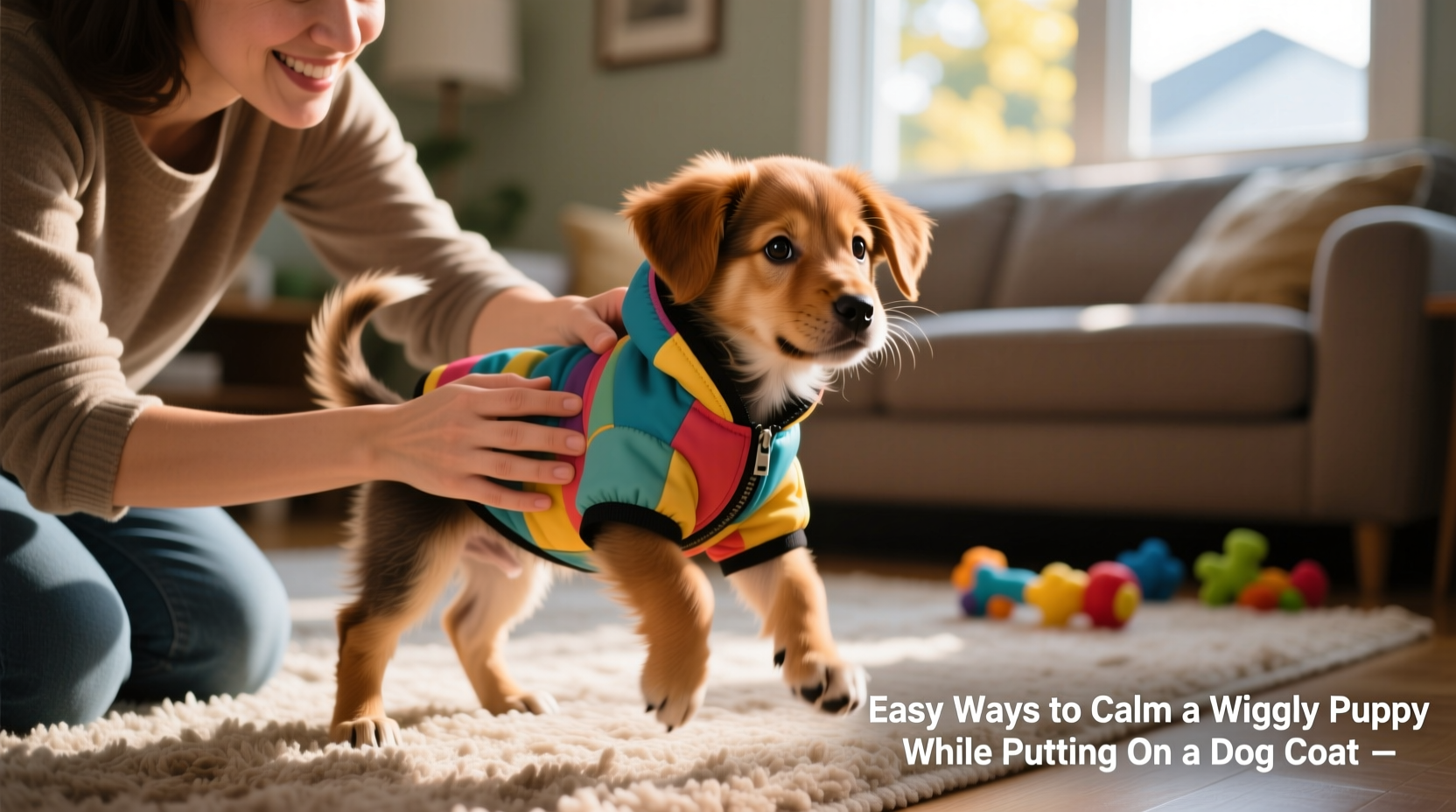
Puppies aren’t being difficult on purpose. Their wiggling usually stems from one of several common causes: excitement, anxiety, discomfort, or lack of familiarity. For some puppies, the sensation of fabric touching their body is new and strange. Others associate the coat with going outside and get so excited they can’t sit still. Still others may have had a negative experience—like a tight or itchy garment—and now resist anything similar.
Recognizing the root cause helps you choose the right strategy. A hyper puppy needs calming techniques. A fearful one needs reassurance. An inexperienced pup simply needs time and repetition.
Tip: Always observe your puppy’s body language—flattened ears, tail tuck, or lip licking suggest anxiety, while jumping and spinning signal overexcitement.Create a Calm Environment Before Dressing
Trying to put on a coat during peak energy levels is a recipe for frustration. Choose a time when your puppy is naturally calmer—after a walk, play session, or nap. A tired puppy is far more cooperative than one buzzing with pent-up energy.
Prepare the space too. Pick a quiet room with minimal distractions. Turn off loud music or TVs. Keep other pets out of the area. This reduces sensory overload and allows your puppy to focus on you.
Before bringing out the coat, spend a few minutes doing gentle petting or light massage. This lowers heart rate and signals relaxation. Avoid high-pitched voices or rapid movements, which can increase arousal.
Step-by-Step Guide: Pre-Coat Calming Routine
- Wait until your puppy has burned off excess energy (e.g., after a short walk).
- Move to a quiet, familiar room.
- Sit on the floor at your puppy’s level to appear less intimidating.
- Offer soft, slow strokes along the back and shoulders.
- Speak in a low, soothing voice using calm phrases like “Good boy” or “Easy now.”
- Wait for signs of relaxation—slowed breathing, loose posture, blinking eyes—before proceeding.
Introduce the Coat Gradually with Positive Association
Rushing straight into dressing overwhelms most puppies. Instead, introduce the coat in stages over several days. This builds familiarity and creates a positive emotional connection.
Start by placing the coat near your puppy during mealtime or play. Let them sniff it freely. Reward any interest with treats or praise. Next, drape it loosely over their back for just a few seconds while giving high-value rewards. Gradually increase the duration as your puppy becomes comfortable.
Use only soft, lightweight coats at first. Bulky or stiff materials can scare sensitive pups. If possible, choose a coat with front leg openings only—these are easier to manage than full-body styles.
| Stage | Action | Reward |
|---|---|---|
| Day 1 | Place coat nearby | Treats when puppy looks at it |
| Day 2–3 | Let puppy sniff and touch coat | Clicker + treat for interaction |
| Day 4–5 | Drape coat over back (remove immediately) | Treat every 2 seconds |
| Day 6–7 | Fasten one snap or zipper slowly | Continuous praise and treats |
| Day 8+ | Full coat application for increasing durations | Playtime or walk as final reward |
Use Gentle Handling and Proper Technique
How you physically put on the coat matters. Sudden movements or forceful restraint trigger resistance. Instead, use a method that minimizes stress and maximizes cooperation.
Begin by holding the coat open like a blanket. Gently guide one front paw through its sleeve while supporting the shoulder. Use your other hand to steady your puppy with light pressure between the shoulder blades. Avoid grabbing or pinning, which feels threatening.
If your puppy pulls away, pause and offer a treat. Wait for them to return to position before continuing. Never chase or corner them—it reinforces fear. Instead, make staying near you rewarding.
“Puppies learn best when they feel safe. Rushing the process teaches them to distrust handling. Go slow, reward bravery, and let them set the pace.” — Dr. Lena Torres, Certified Veterinary Behaviorist
Mini Case Study: Training Bella the Border Collie Mix
Bella, a 14-week-old Border Collie mix, would squirm, bark, and dart away whenever her owner tried to put on her raincoat. Initial attempts led to frustration on both sides. Her owner switched tactics: she began leaving the coat draped over a chair during meals. After three days, Bella started sniffing it. The owner rewarded this with cheese bits. Over the next week, she practiced brief draping sessions, always followed by play with Bella’s favorite tug toy. By day ten, Bella stood calmly while the coat was fastened. Now, she even brings the coat to her owner when it rains.
Essential Tips and Checklist for Success
Tip: Practice coat training daily—even if you’re not going out. Short, positive sessions build confidence faster than infrequent, stressful ones.Dog Coat Training Checklist
- ✅ Choose a quiet time of day
- ✅ Use a soft, properly fitting coat
- ✅ Let puppy sniff and explore the coat first
- ✅ Reward all calm behavior with treats or praise
- ✅ Introduce wearing in short increments
- ✅ Avoid forcing or restraining
- ✅ End each session on a positive note
- ✅ Be consistent across all family members
Frequently Asked Questions
How long does it take to train a puppy to wear a coat calmly?
Most puppies adapt within 7 to 14 days of consistent, positive training. Some may require up to three weeks, especially if they’ve had prior negative experiences. Progress varies by temperament, breed, and previous handling exposure.
What if my puppy hates the feeling of fabric on their skin?
Some puppies are tactile-sensitive. Try a lighter material like fleece or mesh. You can also layer the introduction: start with a soft towel, then a thin blanket, and gradually move to the actual coat. If sensitivity persists, consult a veterinarian or animal behaviorist to rule out underlying issues.
Can I use a harness under the coat?
Yes—and it’s often helpful. Putting on the harness first gives your puppy something familiar to accept before adding the coat. Just ensure both fit comfortably together without pinching or restricting movement.
Final Thoughts: Patience Pays Off
Calming a wiggly puppy during coat time isn’t about control—it’s about trust. Every moment you spend building comfort and confidence strengthens your bond. What starts as a struggle can become a peaceful ritual, setting the stage for lifelong cooperation during grooming, vet visits, and travel.
Remember, progress isn’t linear. Some days will be better than others. Celebrate small wins: a moment of stillness, a curious sniff, a voluntary return after pulling away. These are signs of learning and courage.
💬 Have a tip that worked for your energetic pup? Share your story in the comments and help fellow pet parents turn coat chaos into calm!








