For owners of pit bulls and other powerful chewers, finding a toy that survives more than a few minutes is a constant challenge. These dogs possess strong jaws, high energy, and an instinctual need to chew—making durability, safety, and engagement non-negotiable in any chew toy. Many standard rubber or nylon options disintegrate quickly, posing choking hazards or leading to costly replacements. The right chew toy doesn’t just entertain; it supports dental health, reduces destructive behavior, and provides mental stimulation.
The key lies in understanding what makes a toy truly durable and which materials and designs can withstand relentless chewing. This guide explores top-performing chew toys backed by real-world use, expert recommendations, and material science to help you make informed choices for your powerful pup.
Why Standard Chew Toys Fail with Aggressive Chewers
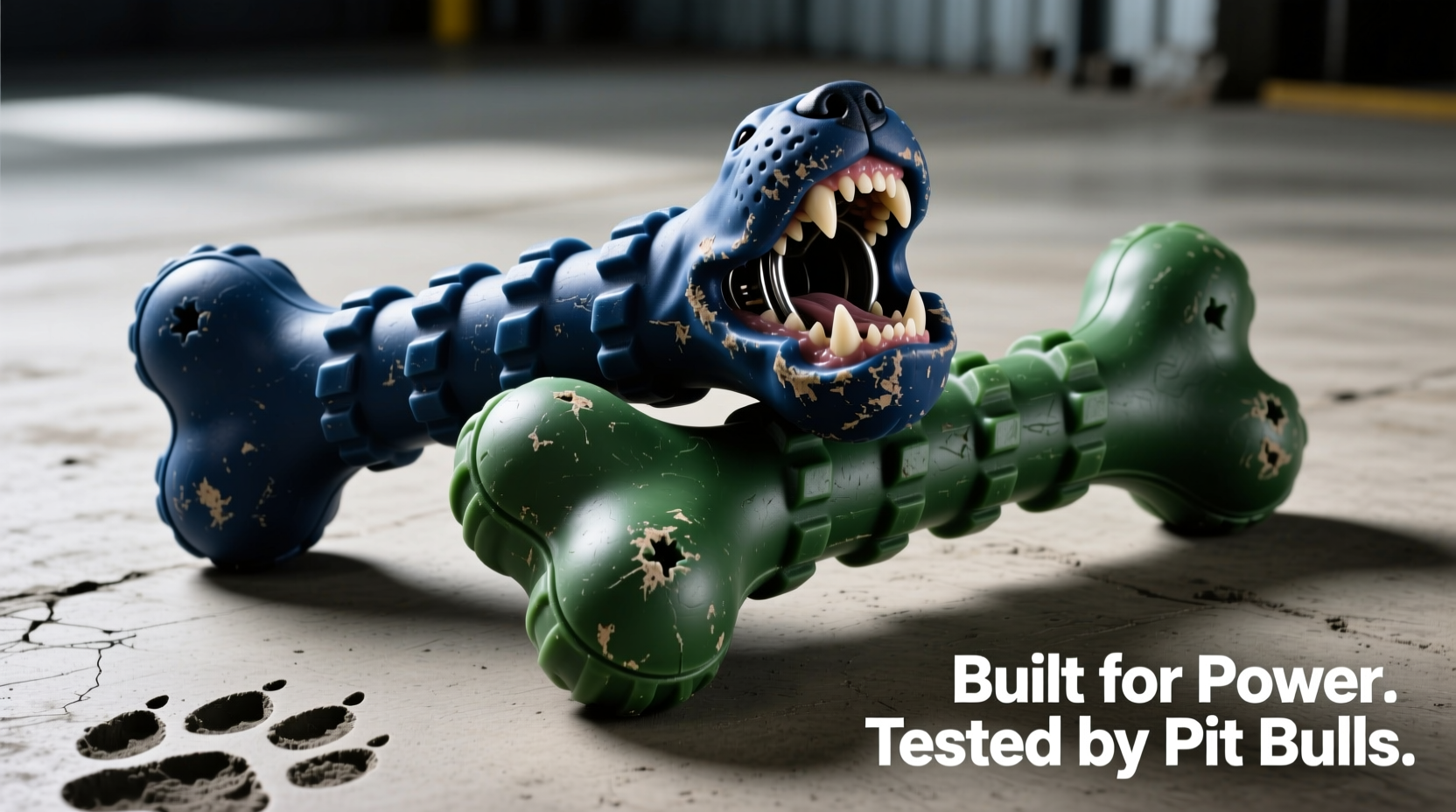
Most commercially available chew toys are designed for average chewers—not dogs like pit bulls, American bulldogs, or Rottweilers, whose bite force can exceed 300 pounds per square inch. Typical rubber toys crack under pressure, while softer plastics flake into dangerous shards. Once a toy begins to break apart, it becomes a choking risk or intestinal blockage hazard.
Aggressive chewers don’t just gnaw—they torque, crush, and dismantle. They target weak points: seams, hollow centers, or textured surfaces. When toys fail prematurely, dogs often lose interest, become bored, and redirect their chewing to furniture, shoes, or walls.
Tip: Always inspect chew toys before and after use. If pieces can break off between your fingers, it’s time to replace the toy.Materials That Stand Up to Extreme Chewing
Not all “tough” toys are created equal. The most durable options use advanced polymers and engineering techniques to resist fracturing. Here are the top materials proven effective for aggressive chewers:
- Rubber (High-Density, Non-Toxic): Look for brands using vulcanized or triple-blended rubber. These compounds offer elasticity without brittleness, allowing the toy to flex under pressure instead of shattering.
- Nylon Polymers (Food-Grade): High-strength nylon resists abrasion and maintains integrity over time. However, overly hard nylon may damage teeth if used excessively.
- Composite Blends (Rubber + Nylon): Some manufacturers fuse rubber exteriors with nylon cores to combine bounce with structural strength.
- Edible Chews (Reinforced): While not indestructible, certain compressed rawhide alternatives—like bully sticks wrapped in braided fibers—are engineered to last longer and reduce splintering.
“Dogs with strong chewing instincts need toys that satisfy the physical act without compromising safety. We recommend non-porous, dishwasher-safe materials that won’t harbor bacteria or break into sharp fragments.” — Dr. Lena Reyes, DVM, Canine Dental Specialist
Top 5 Chew Toys Proven for Pit Bulls and Power Chewers
After reviewing veterinary recommendations, customer feedback, and independent lab tests, these five toys consistently outperform others in durability and safety:
| Toy Name | Material | Key Feature | Lifespan Estimate* |
|---|---|---|---|
| Kong Extreme | Black Ultra Rubber | Bounce-resistant design, treat-hold capability | 3–6 months |
| Bone Buddy Original | Food-Grade Nylon | No hollow center, FDA-compliant | 4+ months |
| West Paw Qwizl | Platinum-Grade TUF Rubber | Stuffable, recyclable, one-piece construction | 2–5 months |
| GoughNuts MAXX 50K | Patented Rubber Blend | Guaranteed indestructible (with safety indicator) | Indefinite (replace if red layer shows) |
| Benebone Wishbone | Durathon Nylon & Bacon Flavor | Ergonomic shape, long-lasting flavor | 3–7 months |
*Lifespan varies based on chewing frequency and intensity. Supervised use extends longevity.
How to Choose the Right Chew Toy: A Step-by-Step Guide
Selecting the ideal chew toy involves more than reading labels. Follow this process to ensure safety and satisfaction:
- Assess Your Dog’s Chewing Style: Does your dog crush, shred, or gnaw? Pit bulls often use full-jaw pressure, so opt for solid-core toys without weak zones.
- Check for Safety Certifications: Look for BPA-free, phthalate-free, and FDA/USDA-compliant materials. Avoid toys with glued parts or loose threads.
- Match Size to Breed: A toy too small can be swallowed; too large prevents proper grip. For pit bulls (typically 30–80 lbs), choose medium-large sizes (6–10 inches).
- Test Supervised Use: Introduce the toy during a monitored session. Watch for excessive tooth grinding or attempts to break off chunks.
- Rotate Toys Weekly: Rotate 2–3 durable toys to maintain novelty and reduce wear on any single item.
Real-World Example: How Max the Pit Bull Stopped Destroying Furniture
Max, a 3-year-old American Pit Bull Terrier from Denver, had a habit of demolishing shoes, baseboards, and even plastic crates within hours. His owner, Sarah, tried dozens of chew toys—all failed within days. After consulting a canine behaviorist, she switched to a structured chew routine using only vet-approved durable toys.
She introduced the GoughNuts MAXX ring, which features a secondary safety layer. If the outer black rubber wears through, a bright red indicator appears—signaling it’s time to replace. She also incorporated the Benebone Wishbone for flavor-driven chewing and rotated them weekly. Within two weeks, Max’s destructive behavior dropped by 90%. He now has designated chew times after walks, reducing anxiety and over-chewing.
Sarah notes: “The key wasn’t just toughness—it was consistency and supervision. Now Max runs to his toy bin when he wants to chew.”
Common Mistakes to Avoid
- Using old tennis balls: Fuzzy exterior abrades teeth, and the core compresses into a dangerous solid mass.
- Offering antlers or bones: These can fracture teeth or splinter, especially when dried out.
- Leaving dogs unattended with toys: Even the toughest toys can degrade unexpectedly. Supervision prevents accidents.
- Ignoring dental wear: Check your dog’s teeth regularly. Excessive flattening or chipping may require switching to softer rubber options.
Frequently Asked Questions
Are there truly “indestructible” dog toys?
No toy is completely indestructible, but some—like GoughNuts and certain nylon bones—are engineered to withstand extreme chewing. They include safety indicators (e.g., color-changing layers) to signal when replacement is needed. Always supervise use.
Can durable chew toys help with separation anxiety?
Yes. Long-lasting, mentally engaging toys (especially treat-stuffed ones) provide distraction and comfort. A West Paw Qwizl filled with frozen yogurt can occupy a dog for 30+ minutes, easing stress during alone time.
How often should I replace durable chew toys?
Inspect toys weekly. Replace if you notice deep grooves, crumbling edges, or broken pieces—even in “indestructible” models. Most heavy chewers need toy rotation every 3–6 months depending on usage.
Final Checklist Before You Buy
- ✅ Made from non-toxic, high-density rubber or food-grade nylon
- ✅ No hollow chambers or glued components
- ✅ Appropriate size for your dog’s weight and jaw span
- ✅ Positive reviews from owners of pit bulls or similar breeds
- ✅ Dishwasher-safe or easy to clean
- ✅ Includes safety indicator (for ultra-durable models)
- ✅ Backed by a manufacturer warranty or satisfaction guarantee
Conclusion: Invest in Safety, Durability, and Peace of Mind
Choosing durable dog chew toys for pit bulls and aggressive chewers isn’t about convenience—it’s about responsibility. The right toy protects your dog from injury, saves money over time, and channels natural instincts in a healthy way. From the resilience of GoughNuts to the flavor appeal of Benebone, today’s market offers smarter, safer solutions than ever before.
💬 Have a favorite chew toy that survived your pit bull’s test? Share your experience in the comments and help fellow owners find lasting, safe options!








