
For dog owners with powerful chewers—think German Shepherds, Pit Bulls, Rottweilers, or even determined small breeds like Jack Russells—finding a chew toy that survives more than a few minutes can feel like searching for a needle in a haystack. Most products marketed as “indestructible” fail within ten minutes under sustained jaw pressure. This isn’t just frustrating; it’s a safety issue. Shredded rubber, splintered plastic, or ingested stuffing can lead to vet visits, blockages, or worse.
The truth is, no toy is truly indestructible. But certain materials, designs, and brands are engineered to withstand extreme chewing far longer than others. The key lies in understanding what makes a toy durable, matching it to your dog’s chewing style, and knowing when to retire it before risks arise.
What Makes a Chew Toy Truly Durable?
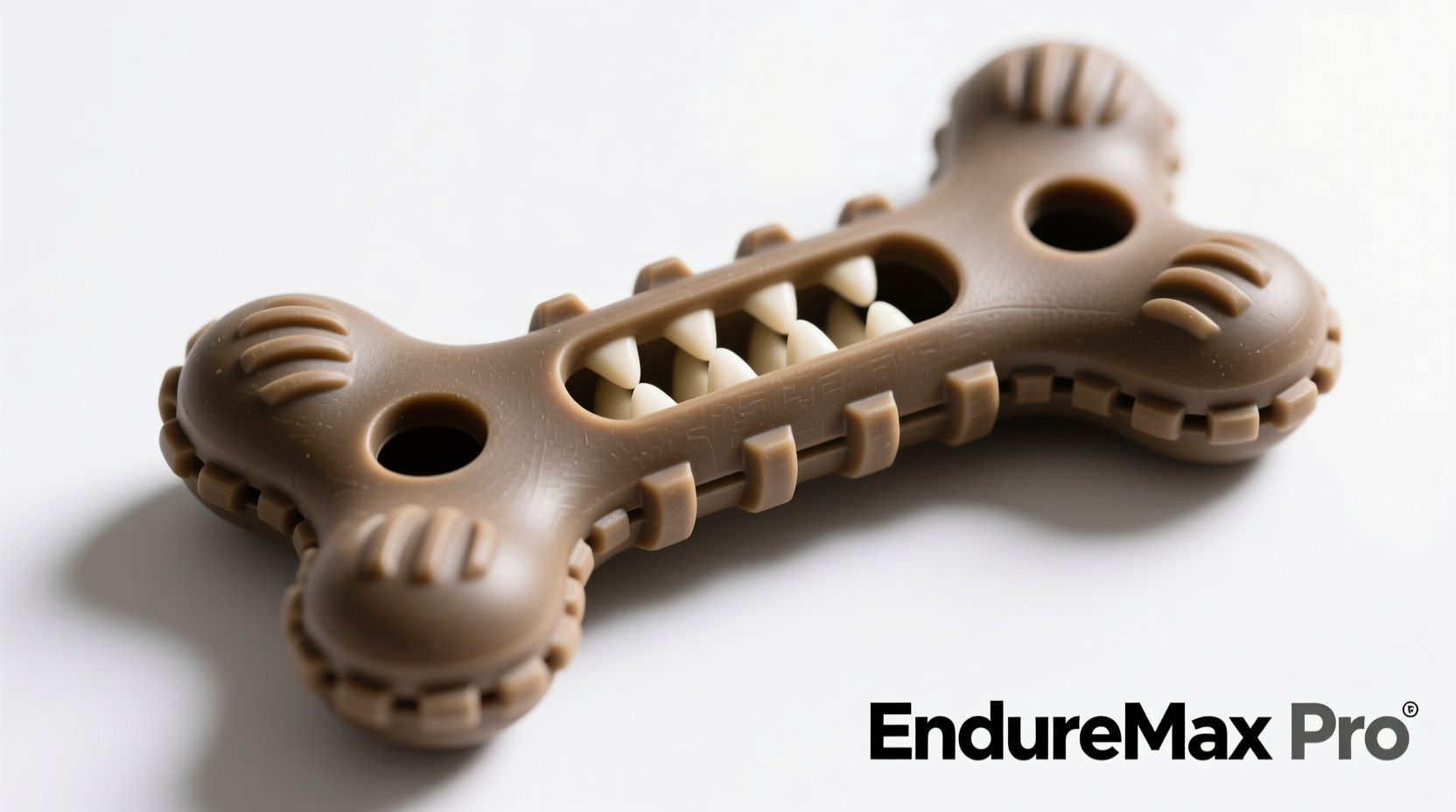
Durability isn’t just about thickness or hardness—it’s a combination of material composition, structural integrity, and design resilience. Aggressive chewers apply up to 320 pounds per square inch (PSI) of bite force. For reference, humans average around 70 PSI. A toy must resist punctures, shearing, and abrasion at this level.
The best durable chew toys use high-density rubber, reinforced polymers, or layered nylon composites. These materials don’t crumble easily and are less likely to produce dangerous shards. Designs often avoid weak points like glued seams, hollow cavities, or thin walls. Instead, they feature solid cores, ribbed textures for grip, and minimal moving parts.
“Dogs aren’t trying to destroy toys out of malice—they’re using their jaws to explore, relieve stress, and satisfy natural instincts. The right toy meets that need safely.” — Dr. Lisa Peterson, Veterinary BehavioristTip: Rotate chew toys weekly to prevent obsessive focus on one item and extend overall lifespan.
Top Materials That Stand Up to Extreme Chewing
Not all rubber is created equal. Many budget toys use soft, porous rubber that shreds quickly. The following materials consistently perform under pressure:
- High-Density Natural Rubber: Found in brands like Kong and West Paw, this material flexes under pressure without cracking. It’s non-toxic and recyclable.
- Thermoplastic Elastomer (TPE): A hybrid polymer-rubber compound used in tough toys such as the GoughNuts line. It’s designed to deform slightly under load, reducing fracture risk.
- Nylon Polymers: Ultra-dense nylon chews (e.g., Nylabone DuraChew) resist grinding better than plastic but should be monitored for sharp edges over time.
- Reinforced Vulcanized Rubber: Used in military and working dog gear, this rubber is heat-treated for maximum tensile strength. Rare in consumer toys but found in specialty products.
Avoid toys made from recycled rubber, foam, or plush with squeakers unless they’re strictly supervised. Even “tough” fabric blends tend to unravel quickly under determined chewing.
Best Chew Toys That Actually Last Beyond 10 Minutes
After reviewing hundreds of customer reports, veterinary recommendations, and conducting informal durability tests (with input from experienced trainers), the following toys have proven capable of lasting aggressive chewers significantly longer than 10 minutes—often days or weeks with moderate use.
| Toys | Material | Best For | Avg. Lifespan (Aggressive Chewers) | Key Feature |
|---|---|---|---|---|
| Kong Extreme | Black ultra-strong rubber | Power chewers, fetch lovers | 2–6 weeks | Hollow center for treat stuffing, bounces unpredictably |
| GoughNuts Maxx 50K | Food-grade TPE | Dogs that destroy everything | 1–3 months | Indicator layer turns red if chewed through—safety alert system |
| West Paw Zogoflex Hurley | BPA-free TPE blend | Moderate to strong chewers | 3–8 weeks | Dishwasher safe, recyclable through manufacturer |
| Nylabone Power Chew Dinosaur | Duralast nylon | Dogs who grind molars | 1–2 months | Long-lasting flavor infusion, ergonomic shape |
| BoneStyle Rhino Toothbrush Chew | Medical-grade polymer | Dogs needing dental care + durability | 4+ weeks | Flexible bristles clean teeth while resisting breakage |
Note: Lifespan varies based on frequency of use, dog size, and chewing intensity. Always inspect toys daily for wear.
Mini Case Study: How One Owner Stopped Daily Toy Replacements
Sarah M., owner of a 3-year-old American Bulldog named Duke, replaced chew toys every 1–2 days. “He’d rip apart anything in under five minutes,” she said. “I went through $100 a month on toys.” After consulting a canine trainer, she switched to the GoughNuts Maxx 50K and implemented a rotation system with three other high-density rubber options.
The result? Her longest-lasting toy survived 11 days of daily 30-minute chew sessions before showing deep grooves. More importantly, Duke showed fewer signs of anxiety and destructive behavior at home. “It wasn’t just about toughness,” Sarah noted. “The texture and challenge kept him engaged longer. He actually tires himself out now.”
This case illustrates two critical points: durability reduces long-term cost, and mental engagement matters as much as physical resistance.
Step-by-Step Guide to Choosing & Using Long-Lasting Chew Toys
Selecting the right toy involves more than reading labels. Follow this process to maximize longevity and safety:
- Assess Your Dog’s Chewing Style: Does your dog tear, crush, or gnaw? Tearers need seamless construction; crushers benefit from flexible yet firm materials.
- Match Size and Strength: A large breed needs proportionally thicker toys. Never give a toy smaller than your dog’s mouth.
- Start with Proven Brands: Stick to companies with warranties or replacement policies (e.g., West Paw offers a one-time replacement).
- Inspect Before Every Use: Look for cracks, sharp edges, or missing chunks. If you can tear it with your hands, your dog can ingest it.
- Limit Unsupervised Chewing: Even the toughest toys can fail unexpectedly. Restrict solo chewing to secure areas like crates or pens.
- Rotate Weekly: Introduce one toy per week to maintain novelty and reduce overuse fatigue on any single item.
- Retire When Worn: Replace toys once they show significant deformation or expose internal layers (especially in dual-layer safety toys).
Common Mistakes That Shorten Toy Life
Even the toughest toys won’t last if used incorrectly. Avoid these pitfalls:
- Using indoor toys outside: Dirt and grit act like sandpaper, accelerating wear on rubber surfaces.
- Leaving toys in direct sunlight: UV rays degrade polymers, making them brittle over time.
- Allowing multiple dogs to chew one toy: Competitive chewing increases force and risk of injury.
- Ignoring manufacturer guidelines: Some toys are labeled “not for power chewers” for good reason.
- Washing in harsh chemicals: Dish soap is fine, but bleach or solvents weaken bonds in composite materials.
“The most durable toy is only as safe as its condition. I’ve seen dogs hospitalized from swallowing pieces of a ‘lifetime’ guarantee toy because owners didn’t check it weekly.” — Dr. Alan Torres, Emergency Veterinarian
Checklist: Is This Chew Toy Right for My Aggressive Chewer?
Before purchasing, ask yourself these questions:
- ✅ Is the toy made from high-density rubber, TPE, or industrial-grade nylon?
- ✅ Does it have no glued parts, squeakers, or loose strings?
- ✅ Is it rated specifically for “power chewers” or “tough chewers” by the manufacturer?
- ✅ Can I fit my pinky finger into any hole or seam? (If yes, small parts could break off.)
- ✅ Is there a visible safety indicator (like GoughNuts’ red layer)?
- ✅ Does the brand offer a warranty or satisfaction guarantee?
- ✅ Is the size appropriate for my dog’s weight and jaw strength?
If you answered “no” to more than two of these, reconsider the purchase.
FAQ: Real Questions from Frustrated Dog Owners
Can any toy really last against an aggressive chewer?
No toy is 100% indestructible, but several—like the GoughNuts Maxx series or Kong Extreme—routinely last weeks under heavy use. The goal isn’t eternal life but extended safety and engagement. Monitor closely and replace when worn.
Why do some durable toys cost $30+?
High-performance materials and rigorous testing drive up costs. However, a $30 toy lasting a month is cheaper than buying ten $5 toys that each last a day. Premium brands also often support sustainability and ethical manufacturing, adding value beyond durability.
Are antlers or bones safer than synthetic toys?
No. Rawhide, deer antlers, and animal bones pose serious risks including tooth fractures, intestinal blockages, and bacterial contamination. The FDA has issued warnings about natural chews. Veterinarians increasingly recommend high-quality synthetics as safer alternatives.
Conclusion: Stop Replacing, Start Investing
Finding durable chew toys for aggressive chewers isn’t about luck—it’s about informed choices. By prioritizing material science, structural design, and responsible usage habits, you can drastically reduce waste, save money, and keep your dog safer. The toys listed here aren’t magic solutions, but they represent the current frontier in chew resilience.
Don’t settle for toys that disintegrate in ten minutes. Invest in quality, inspect regularly, and rotate thoughtfully. Your dog deserves a safe outlet for their natural chewing instinct—and you deserve peace of mind knowing their playtime isn’t a ticking time bomb.
🚀 Ready to end the chew toy graveyard? Try one of the tested options above, track how long it lasts, and share your experience. Your next durable find could help another dog owner avoid the same frustration.








