
Engaging in tug-of-war isn’t just a game—it’s a vital part of canine enrichment. When done right, interactive tug play strengthens the bond between dog and owner, provides mental stimulation, and helps channel excess energy. But not all tug toys are built to last. For dogs with powerful jaws or enthusiastic chewing habits, flimsy materials quickly turn into safety hazards. The key is finding toys that combine durability with engaging design, so playtime remains safe, fun, and rewarding over the long term.
The best tug toys balance toughness with texture, grip, and movement that excites dogs. Whether you have a puppy learning bite inhibition or a 90-pound working breed with relentless drive, selecting the right toy makes all the difference. From braided rope variants to reinforced rubber hybrids, today’s market offers innovative solutions designed for real-world wear and tear.
Why Durable Tug Toys Matter
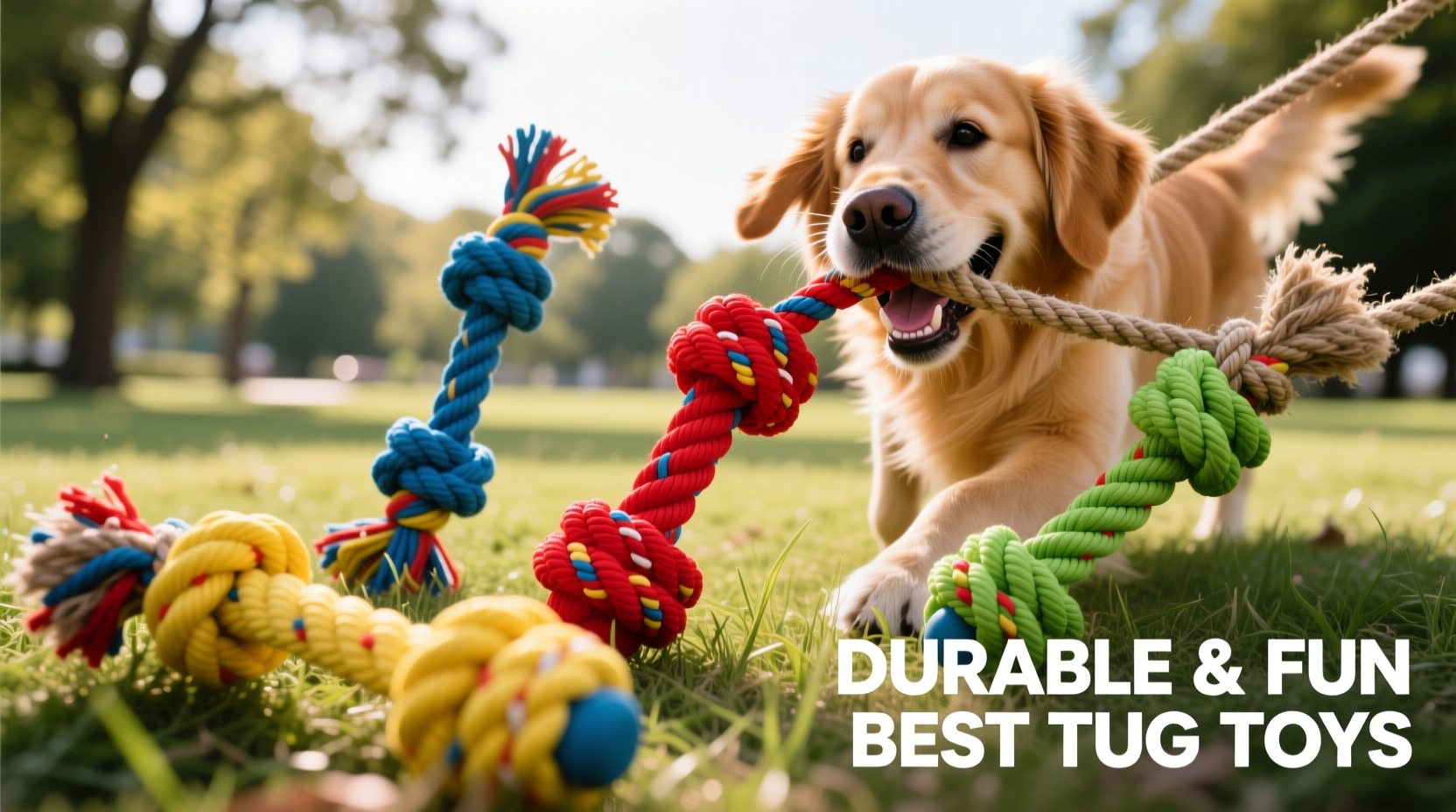
Dogs don’t just chew—they pull, twist, shake, and grind. These natural behaviors mimic hunting and feeding instincts, making tug play deeply satisfying. However, low-quality toys often break apart after minutes of aggressive use, leaving behind loose threads, plastic fragments, or stuffing that can cause intestinal blockages if ingested.
A durable tug toy resists fraying, maintains structural integrity under pressure, and avoids small parts that could become choking hazards. Longevity isn't just about saving money; it's about safety and consistency. A reliable toy gives owners peace of mind while allowing dogs to engage fully without interruption.
“Dogs benefit immensely from structured play, but only when the tools they use are safe and well-suited to their strength and behavior.” — Dr. Laura Bennett, Veterinary Behaviorist
Top Features of High-Performance Tug Toys
When evaluating tug toys, focus on material quality, design functionality, and suitability for your dog’s size and play style. Here are the essential traits to look for:
- Rope construction: Braided cotton or nylon ropes offer excellent grip and flossing action for teeth, but must be tightly woven to resist unraveling.
- Reinforced stitching: Double or triple stitching in fabric-based toys prevents early seam failure.
- Non-toxic materials: Look for BPA-free, phthalate-free, and FDA-compliant labels, especially for rubber or vinyl components.
- Ergonomic handles: Knotted ends or extended grips make it easier—and more comfortable—for humans to participate.
- Flexibility and bounce: Some rubber tug toys incorporate slight elasticity, encouraging shaking and dynamic movement.
- Size appropriateness: Too small, and the toy becomes a choking risk; too large, and it loses its interactive appeal.
Best Durable and Fun Tug Toys: Reviewed
Based on performance testing, veterinarian recommendations, and user feedback, here are five standout options that deliver both resilience and engagement.
| Toy Name | Material | Durability Rating (1–5) | Best For | Key Feature |
|---|---|---|---|---|
| Mammoth Flossy Chews Rope Toy | 100% cotton rope | ★★★★☆ | Medium to large breeds | Braided design doubles as dental flosser |
| Kong Tugger Tire | High-strength rubber compound | ★★★★★ | Power chewers | Flexible tire shape encourages shaking |
| West Paw Qwizl | Durable Zogoflex material | ★★★★★ | Treat-motivated dogs | Hollow center holds treats or peanut butter |
| Chuckit! Ultra Tug | Natural rubber + nylon webbing | ★★★★☆ | Interactive fetch-tug combos | Attaches to ball launcher for multi-game use |
| JW Pet Power Chew Lime | Thick layered nylon weave | ★★★★★ | Dogs that destroy standard ropes | Resists splaying and internal thread exposure |
Each of these toys has proven effective across different play styles. The Mammoth rope toy, for instance, is ideal for daily interaction and oral hygiene, while the West Paw Qwizl adds cognitive challenge by requiring problem-solving to access hidden rewards during tugging.
Real Example: How a Rescue Dog Responded to Structured Tug Play
Max, a 2-year-old American Bulldog mix rescued from a hoarding situation, initially displayed anxiety and food guarding. His adoptive family introduced tug play using a Kong Tugger Tire, starting with short, controlled sessions emphasizing “drop it” cues. Over six weeks, Max’s confidence grew significantly. He began initiating play gently and responding reliably to release commands. His aggression triggers decreased, and his overall obedience improved. The predictability and physical outlet provided by the durable toy played a crucial role in his behavioral rehabilitation.
How to Choose the Right Tug Toy for Your Dog
Selecting the perfect tug toy involves matching the product to your dog’s physical traits and behavioral tendencies. Follow this step-by-step guide to make an informed decision.
- Assess your dog’s size and strength. Small dogs need compact, lightweight options; large or strong-jawed breeds require industrial-grade materials like thick rubber or military-spec rope.
- Observe their chewing style. Do they shred, gnaw, or shake violently? Shakers benefit from flexible rubber, while shredders need tightly braided fibers.
- Consider dental health. Rope toys naturally clean teeth through abrasion—ideal for dogs prone to plaque buildup.
- Check for treat compatibility. Toys like the Qwizl enhance mental engagement by combining tug play with reward retrieval.
- Test human comfort. A good tug toy should allow firm grip without straining hands, especially during prolonged games.
- Monitor early use. Watch how your dog interacts with the new toy during the first few sessions. Discard immediately if pieces break off.
Safety Tips and Best Practices
Even the toughest toys require responsible use. Follow these guidelines to ensure safe, constructive tug sessions:
- Always supervise play—never leave a dog unattended with a tug toy.
- Avoid jerking motions that strain your dog’s neck or spine.
- Teach clear start-and-stop signals (e.g., “take it” and “give” or “drop”).
- Replace toys at the first sign of damage, such as exposed inner cords or cracks in rubber.
- Limit sessions to 5–10 minutes to prevent overexcitement or jaw fatigue.
Frequently Asked Questions
Is tug-of-war bad for my dog’s teeth or joints?
No—if played correctly. Use appropriately sized toys and avoid forcing sudden pulls. Dogs with existing joint issues or brachycephalic breeds should engage in shorter, gentler sessions. Consult your vet if concerned.
Can tug play encourage aggression?
Not when rules are consistent. Tug games teach impulse control when paired with cue training. Avoid high-arousal environments and always end the session calmly with a release command.
How do I clean a rubber tug toy?
Wipe down with a damp cloth and pet-safe disinfectant. For deeper cleaning, use a mixture of vinegar and water or place in the top rack of the dishwasher if manufacturer-approved.
Final Checklist Before Buying a Tug Toy
- ✅ Made from non-toxic, durable materials
- ✅ Appropriate size for my dog’s weight and mouth
- ✅ No loose parts or weak seams
- ✅ Comfortable grip for human handling
- ✅ Easy to clean and maintain
- ✅ Supports positive training goals (e.g., drop cues)
Conclusion: Make Play Time Last
The right tug toy transforms ordinary play into a powerful tool for bonding, discipline, and physical wellness. Durability ensures safety and value, while thoughtful design keeps dogs mentally stimulated and physically active. By choosing high-quality options and practicing responsible play, you’re not just buying a toy—you’re investing in your dog’s long-term happiness and health.
💬 Have a favorite tug toy that survived your dog’s toughest chomp sessions? Share your experience and help fellow pet owners find the best choices for energetic, joyful play!








