
A dry tip of the penis is a surprisingly common issue that many men experience at some point in their lives. While often not serious, it can cause discomfort, irritation, and concern—especially if accompanied by itching, redness, or cracking. The condition may stem from a range of factors including hygiene habits, skin disorders, infections, or environmental influences. Understanding the root causes and knowing how to treat and prevent dryness effectively can restore comfort and confidence.
This article explores the most frequent reasons behind penile tip dryness, outlines evidence-based treatment options, and provides practical advice for long-term care.
Common Causes of Dry Tip of the Penis
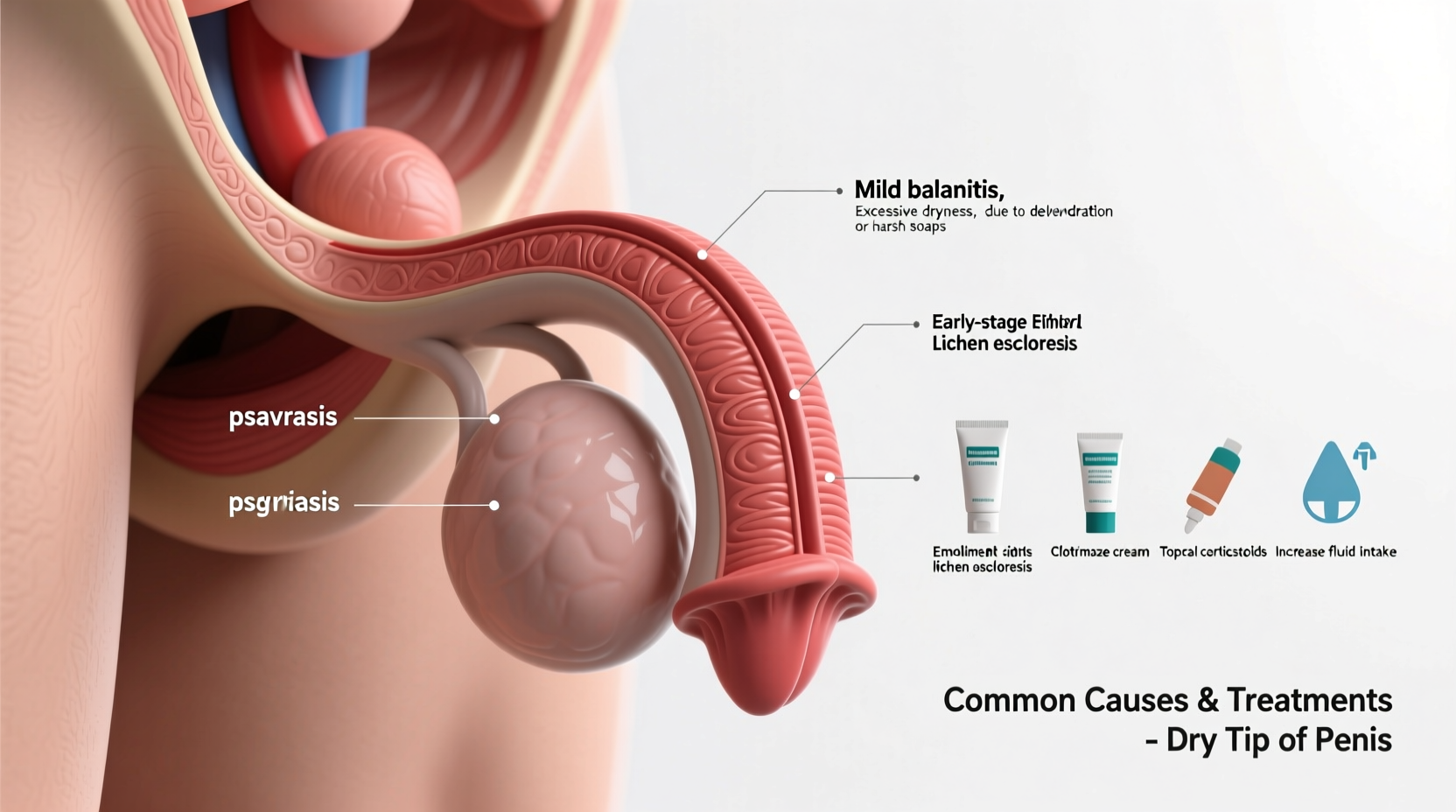
Dryness at the tip of the penis (glans) can result from several interrelated causes. Identifying the underlying reason is crucial for choosing the right treatment.
- Poor Hygiene: Inadequate cleaning under the foreskin (in uncircumcised men) can lead to buildup of smegma, causing irritation and dry skin.
- Excessive Washing: Over-cleaning with harsh soaps or antibacterial washes strips natural oils, leading to dryness and sensitivity.
- Balanitis: Inflammation of the glans, often due to fungal (e.g., Candida), bacterial, or viral infections. Common in men with diabetes or weakened immune systems.
- Skin Conditions: Eczema, psoriasis, or lichen planus can affect genital skin, causing flaking, dryness, and discomfort.
- Allergic Reactions: Contact dermatitis from latex condoms, spermicides, laundry detergents, or personal lubricants.
- Low Humidity & Environmental Exposure: Dry climates, prolonged exposure to air conditioning, or tight synthetic clothing can dehydrate sensitive skin.
- Sexually Transmitted Infections (STIs): Herpes, syphilis, or trichomoniasis may present with dry, cracked, or scaly lesions.
- Circumcision Aftercare: Healing skin post-circumcision often becomes dry and flaky as new tissue forms.
Effective Treatments Based on Cause
Treatment should be tailored to the specific cause. Misdiagnosing dryness as purely cosmetic when it's infection-related can delay healing and worsen symptoms.
Fungal Infections (e.g., Candida)
Antifungal creams such as clotrimazole or miconazole are typically prescribed. Apply twice daily for 7–14 days. Keep the area dry and avoid irritants during treatment.
Bacterial or STI-Related Causes
If an STI is suspected, medical testing is essential. Antibiotics (for bacterial infections like syphilis) or antivirals (for herpes) will be required. Do not self-treat without diagnosis.
Contact Dermatitis
Discontinue use of potential irritants. A short course of mild topical corticosteroids (e.g., 1% hydrocortisone cream) may reduce inflammation—but only under medical guidance and for no more than five days.
Eczema or Psoriasis
Moisturize regularly with emollients like petroleum jelly or ceramide-based creams. For flare-ups, dermatologists may recommend prescription topicals such as tacrolimus or calcipotriol.
General Dryness Without Infection
Simple lifestyle adjustments often resolve mild cases. Focus on hydration, gentle cleansing, and moisturizing routines.
“Persistent dryness shouldn’t be ignored. It’s important to distinguish between benign irritation and conditions requiring medical intervention.” — Dr. Alan Reyes, Urologist and Men’s Health Specialist
Step-by-Step Guide to Managing Penile Dryness
Follow this structured approach to address and resolve dryness effectively:
- Assess Symptoms: Note whether dryness is accompanied by pain, discharge, odor, rash, or fever.
- Review Recent Changes: Consider new soaps, detergents, condoms, sexual activity, or medications.
- Practice Gentle Hygiene: Rinse daily with lukewarm water and a mild, unscented soap. Avoid scrubbing.
- Dry Thoroughly: Pat the area dry after washing—never rub. Moisture trapped under the foreskin encourages fungal growth.
- Apply a Safe Moisturizer: Use fragrance-free ointments like plain petroleum jelly or Aquaphor at night.
- Avoid Irritants: Switch to cotton underwear, fragrance-free laundry products, and non-latex condoms if allergies are suspected.
- Monitor for 5–7 Days: If no improvement—or if symptoms worsen—seek medical evaluation.
Do’s and Don’ts: Quick Reference Table
| Do’s | Don’ts |
|---|---|
| Wash with lukewarm water and gentle soap | Use scented wipes or body washes on the glans |
| Keep the area dry, especially under the foreskin | Wear tight synthetic underwear daily |
| Maintain good blood sugar control if diabetic | Scratch or peel dry skin |
| Use hypoallergenic laundry detergent | Self-prescribe steroid creams without diagnosis |
| See a doctor if symptoms persist beyond a week | Ignore painful cracks, sores, or discharge |
Real Example: Resolving Recurrent Dryness
Mark, a 34-year-old office worker, experienced recurring dryness and mild itching at the tip of his penis for several months. He initially dismissed it as dehydration but noticed worsening flaking after using a new brand of scented laundry detergent. After switching back to a fragrance-free detergent and discontinuing a lubricated condom brand he’d recently tried, his symptoms improved within a week. When they returned after unprotected sex, he consulted a urologist, who diagnosed a mild yeast infection exacerbated by allergic sensitivity. With antifungal cream and avoidance of irritants, Mark achieved full resolution.
This case illustrates how multiple factors—environmental, allergic, and infectious—can interact. A systematic approach was key to identifying triggers and achieving lasting relief.
Prevention Checklist
To minimize future episodes of dryness, follow this actionable checklist:
- ✅ Wash genitals daily with mild, unscented soap
- ✅ Dry thoroughly after urination and bathing
- ✅ Wear breathable cotton underwear
- ✅ Avoid sharing towels or intimate items
- ✅ Use protection during sexual activity
- ✅ Choose fragrance-free personal and household products
- ✅ Stay hydrated and maintain a balanced diet rich in omega-3s and vitamins
- ✅ Get regular STI screenings if sexually active with multiple partners
Frequently Asked Questions
Can dry skin on the penis be a sign of an STD?
Yes, certain STIs like herpes or syphilis can cause dry, cracked, or scaly skin on the glans. However, dryness alone is rarely the only symptom. Look for additional signs such as sores, blisters, unusual discharge, or burning during urination. If you’ve had unprotected sex, get tested to rule out infection.
Is it safe to use lotion on the tip of the penis?
Only use lotions specifically formulated for sensitive skin or those recommended by a healthcare provider. Avoid products with fragrances, alcohol, or parabens. Petroleum jelly or plain moisturizers like CeraVe or Vanicream are generally safe for short-term use.
Should I see a doctor for a dry penis tip?
If dryness persists for more than a week despite good hygiene and moisturizing, or if you notice pain, swelling, discharge, or sores, consult a doctor. A urologist or dermatologist can perform tests to identify infections or chronic skin conditions.
Conclusion: Take Control of Your Skin Health
Dryness at the tip of the penis is often manageable with simple changes in hygiene and lifestyle. But when symptoms linger or worsen, professional evaluation is essential to rule out infections or underlying conditions. Ignoring persistent issues can lead to complications like secondary infections or chronic discomfort.
By understanding the causes, applying targeted treatments, and adopting preventive habits, you can maintain healthy, comfortable skin. Don’t hesitate to speak with a healthcare provider—your urological health matters.
💬 Have questions or experiences to share? Join the conversation below and help others navigate this common but often overlooked concern.








