
Winter transforms the air into a dry, biting force that strips moisture from the skin—especially the hands. Frequently exposed and constantly used, hands bear the brunt of cold weather, indoor heating, and repeated washing. The result? Cracked, flaky, and often painful skin. While dry hands are common, they’re not inevitable. Understanding the root causes and adopting targeted prevention and treatment methods can make all the difference between discomfort and comfort.
The Science Behind Winter Hand Dryness
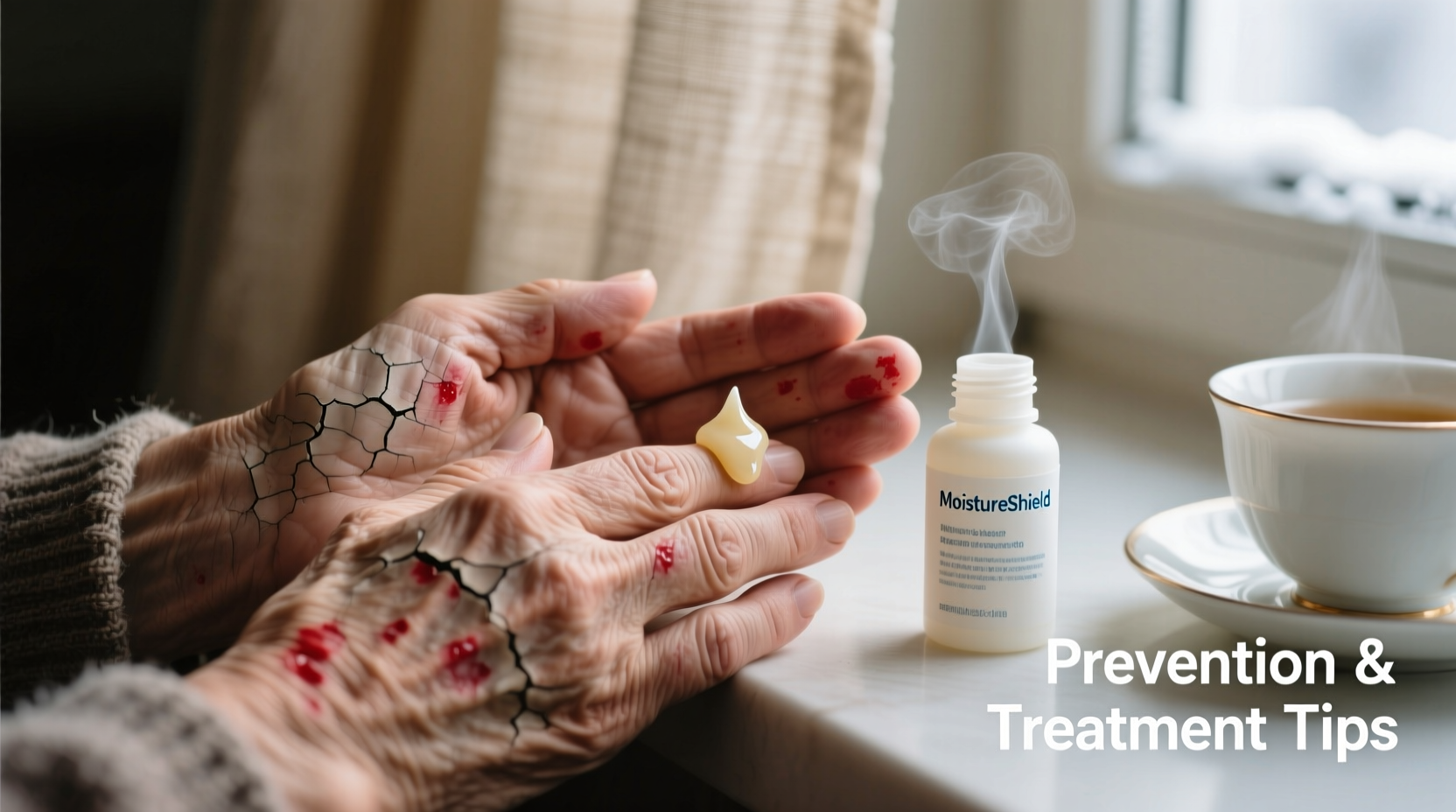
The skin on the hands has fewer oil glands than other parts of the body, making it naturally more vulnerable to moisture loss. During winter, several environmental and behavioral factors compound this vulnerability:
- Cold outdoor temperatures constrict blood vessels and reduce sebum production, weakening the skin’s protective barrier.
- Indoor heating systems circulate warm, dry air that accelerates evaporation of moisture from the skin.
- Frequent handwashing or sanitizer use removes natural oils and disrupts the acid mantle—a crucial defense against irritants.
- Lack of humidity, both outdoors and indoors, drops ambient moisture levels below 30%, far below the ideal 40–60% range for skin health.
When the stratum corneum—the outermost layer of skin—loses too much water, it becomes brittle, leading to microfissures. These tiny cracks allow pathogens and allergens to enter, potentially triggering inflammation, itching, or even infection.
“Winter is the most challenging season for hand dermatitis. The combination of low humidity, chemical exposure, and temperature shifts creates a perfect storm for skin damage.” — Dr. Lena Peterson, Board-Certified Dermatologist
Prevention: Building a Defense Before Damage Occurs
Preventing dry hands begins with modifying daily habits and creating protective routines. The goal is to minimize exposure to drying agents while reinforcing the skin’s natural barrier.
Protective Measures for Daily Life
Tip: Wear gloves whenever going outside in cold weather—even for short trips like getting the mail or walking the dog.Cotton-lined leather or thermal gloves offer superior protection by insulating against cold and reducing wind exposure. Inside the home, wear rubber gloves when washing dishes, cleaning, or handling detergents. Latex-free options are recommended to avoid allergic reactions.
Maintaining indoor humidity is another critical step. Using a humidifier in frequently used rooms—especially bedrooms—can raise moisture levels enough to prevent chronic dryness.
Handwashing Habits That Help, Not Harm
While hygiene is essential, over-washing or using harsh soaps can do more harm than good. Follow these guidelines:
- Use lukewarm water instead of hot.
- Choose fragrance-free, soap-free cleansers with moisturizing ingredients (e.g., glycerin, ceramides).
- Lather gently and rinse thoroughly.
- Pat hands dry with a soft towel—never rub.
- Apply moisturizer within 30 seconds of drying to lock in hydration.
| Habit | Do | Avoid |
|---|---|---|
| Washing Frequency | Wash only when necessary (after using restroom, before eating) | Excessive washing without cause |
| Soap Type | Non-foaming, pH-balanced cleanser | Antibacterial soaps with alcohol |
| Drying Method | Pat dry with clean cotton towel | Rubbing vigorously with rough fabric |
| Moisturizing Timing | Immediately after washing | Waiting more than one minute |
Treatment: Healing Damaged Skin Effectively
Once dryness progresses to cracking, redness, or discomfort, proactive treatment is essential. Left untreated, minor irritation can develop into chronic hand eczema or secondary infections.
Step-by-Step Healing Routine
- Switch to a gentle cleanser for all handwashing. Discontinue any product causing stinging or tightness.
- Apply a thick emollient multiple times daily—look for ointments containing petroleum jelly, shea butter, or lanolin.
- Use overnight therapy: Apply a generous layer of healing balm and wear cotton gloves to bed.
- Spot-treat cracks with medical-grade barrier creams or hydrocolloid patches to accelerate repair.
- Monitor for signs of infection such as increased redness, swelling, pus, or pain—consult a doctor if present.
Ointments are more effective than lotions because they contain less water and create an occlusive layer that prevents transepidermal water loss. Creams are a middle-ground option but may require more frequent application.
Tip: Keep a travel-sized tube of heavy-duty moisturizer in your bag, car, and at your desk for reapplication throughout the day.Real-Life Example: A Nurse’s Journey to Healthier Hands
Sarah, a registered nurse in Minnesota, struggled with severe hand dryness during the winter months. Her job required handwashing up to 30 times per shift, and frequent use of alcohol-based sanitizers left her skin raw and cracked by mid-January. Despite using hand cream, her symptoms worsened—until she consulted a dermatology clinic.
She was advised to switch to a non-irritating cleanser, apply a petroleum-based ointment after every wash, and wear nitrile gloves under her work gloves when possible. She also began applying a thick cream and wearing cotton gloves every night. Within three weeks, her skin showed significant improvement. By spring, she had developed a sustainable routine that prevented recurrence the following winter.
Sarah’s case highlights how occupational exposure amplifies risk—but also how structured interventions can reverse damage even in high-stress environments.
Expert-Recommended Ingredients to Look For
Not all moisturizers are created equal. To repair and protect winter-weary hands, choose products with scientifically backed ingredients:
- Petroleum jelly – Forms a protective seal; proven to reduce water loss by up to 98%.
- Ceramides – Rebuild the skin barrier and improve resilience.
- Glycerin – A humectant that draws moisture into the skin.
- Urea (5–10%) – Softens rough skin and enhances penetration of other ingredients.
- Dimethicone – A silicone-based agent that smooths and protects without greasiness.
Avoid products with alcohol, fragrance, or essential oils, which can trigger irritation, especially on compromised skin.
FAQ: Common Questions About Dry Winter Hands
Can dry hands lead to eczema?
Yes. Chronic dryness can progress to irritant contact dermatitis or dyshidrotic eczema, especially in individuals with sensitive skin or a history of atopic conditions. Early intervention reduces this risk significantly.
Why do my hands crack despite using lotion?
Lotions often contain high water content and evaporate quickly, offering only temporary relief. If the skin is severely dry, a thicker ointment or balm is needed to provide lasting occlusion and repair.
Is it safe to use steroid creams on my hands?
Low-potency topical steroids (like hydrocortisone 1%) can be used short-term (up to two weeks) to reduce inflammation in cracked or inflamed areas. Long-term use should be supervised by a healthcare provider to avoid thinning of the skin.
Checklist: Your Winter Hand Care Action Plan
✔ Prevention & Maintenance Checklist- Keep a moisturizer at every sink and in your bag
- Wear gloves outdoors and during wet chores
- Use a humidifier in your bedroom at night
- Switch to a soap-free hand cleanser
- Apply moisturizer immediately after every handwash
- Perform overnight treatments 2–3 times per week
- Avoid direct contact with snow, ice, or metal in cold weather
- Trim nails regularly to prevent microtears from scratching
Conclusion: Take Control of Your Skin Health This Winter
Dry hands in winter are a widespread issue, but they don’t have to be a seasonal inevitability. With informed choices—from glove use to product selection—and consistent care, you can maintain soft, resilient skin all winter long. The key lies not in reacting to damage, but in preventing it before it starts. Start today: assess your current routine, replace harsh products, and integrate protective habits. Small changes yield lasting results.
💬 Your hands work hard for you—give them the care they deserve. Share your favorite winter hand remedy or ask a question in the comments below.








