
Dry, cracked toes are more than just a cosmetic concern—they can be painful, uncomfortable, and in severe cases, lead to infections. While many people focus on moisturizing their hands and face, foot care often takes a backseat until problems arise. Understanding what causes dryness and cracking between and under the toes is the first step toward effective treatment and long-term prevention. From environmental factors to underlying health conditions, several elements contribute to this common but avoidable issue.
Common Causes of Dry Cracked Toes
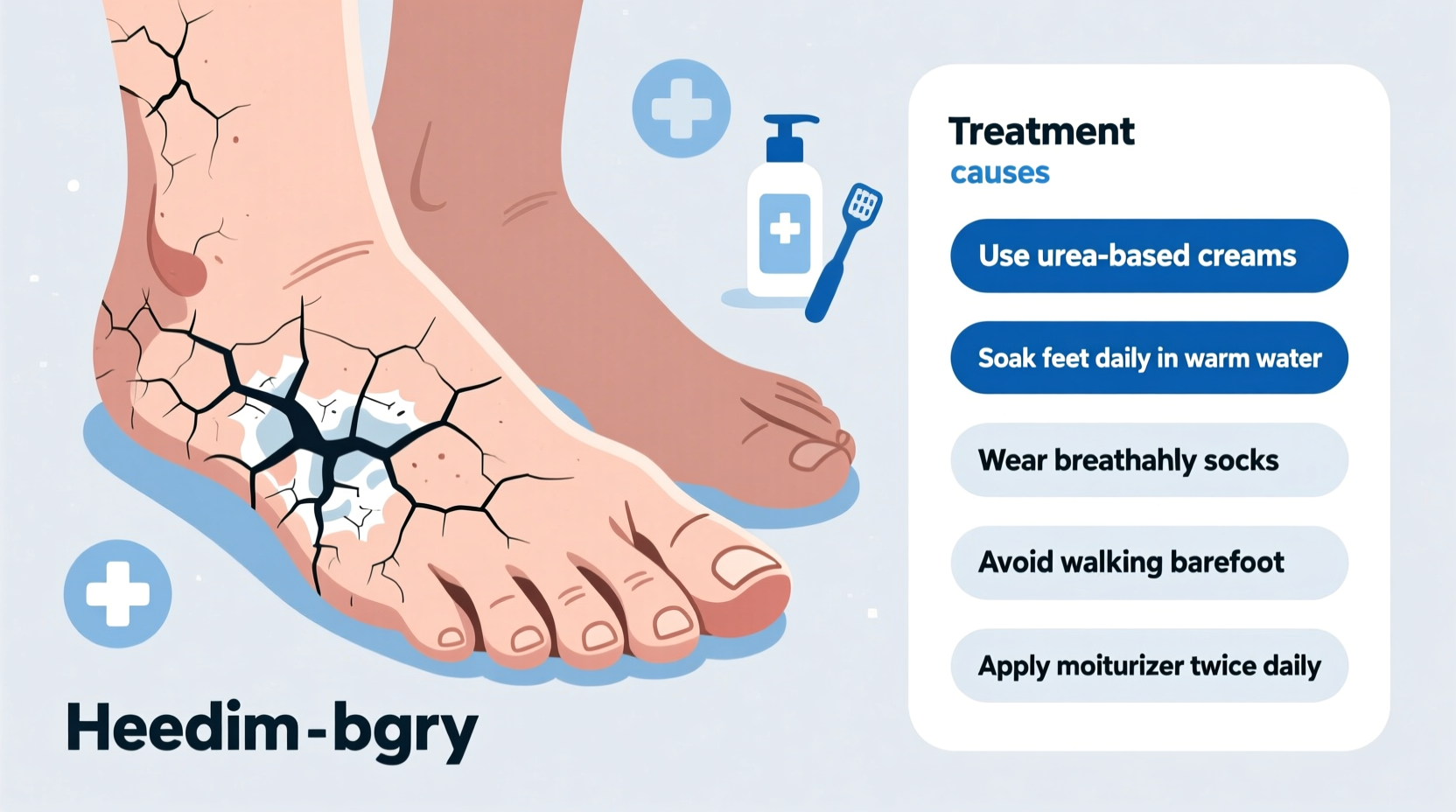
Dry skin on the toes doesn’t happen overnight. It typically develops due to a combination of external stressors and internal factors. Identifying the root cause is essential for choosing the right treatment and preventing recurrence.
- Low humidity and cold weather: Winter air saps moisture from the skin, especially on areas like the feet that are often enclosed in socks and shoes.
- Prolonged exposure to water: Frequent showers, swimming, or sweaty feet can disrupt the skin’s natural barrier, leading to dryness once the moisture evaporates.
- Tight or non-breathable footwear: Shoes made of synthetic materials trap sweat and create friction, both of which degrade skin integrity over time.
- Fungal infections: Athlete’s foot (tinea pedis) often begins between the toes and causes flaking, itching, and cracking.
- Natural aging: As we age, our skin produces less oil, making it more prone to dryness and fissures.
- Medical conditions: Diabetes, hypothyroidism, and psoriasis can all manifest with dry, cracked skin on the feet.
- Poor hygiene or infrequent exfoliation: Dead skin cells build up, creating thick, calloused patches that eventually crack.
Effective Treatment Options
Treating dry cracked toes requires more than just slathering on lotion. A targeted approach helps repair damaged skin and restore its protective barrier.
- Soak your feet: Use warm (not hot) water with Epsom salt or mild soap for 15–20 minutes. This softens dead skin and prepares it for exfoliation.
- Gently exfoliate: After soaking, use a pumice stone or foot file to remove thickened skin. Avoid aggressive scrubbing, which can worsen cracks.
- Apply a heavy-duty moisturizer: Look for ingredients like urea (10–20%), glycerin, lactic acid, shea butter, or ceramides. These penetrate deeply and attract moisture.
- Use occlusion: Apply moisturizer before bed and wear cotton socks overnight. This locks in hydration and enhances absorption.
- Treat infections promptly: If you suspect a fungal infection—indicated by redness, itching, or foul odor—use an over-the-counter antifungal cream like clotrimazole or terbinafine.
- Protect deep cracks: For open fissures, apply a thin layer of antibiotic ointment and cover with a bandage to prevent infection.
“Urea-based creams are among the most effective for treating severely dry and cracked skin because they break down keratin while hydrating deeply.” — Dr. Lena Patel, Podiatrist and Skin Health Specialist
Prevention Tips for Healthy Toes
Once your toes have healed, maintaining their condition is key. Prevention focuses on daily habits, proper footwear, and consistent skincare.
| Do | Don't |
|---|---|
| Wear moisture-wicking socks made of cotton or wool blends | Wear tight shoes or plastic-lined boots for extended periods |
| Moisturize feet daily, especially after showering | Use scented lotions or soaps that strip natural oils |
| Exfoliate once or twice a week to prevent buildup | Ignore early signs of peeling or roughness |
| Inspect feet daily if you have diabetes | Walk barefoot in public areas like pools or gyms |
| Keep toenails trimmed and clean | Share towels, socks, or footwear with others |
Real-Life Example: Managing Cracked Toes During Winter
Sarah, a 42-year-old teacher from Minnesota, struggled every winter with cracked skin between her toes and along the heels. Despite using regular lotion, her symptoms worsened each season. After consulting a podiatrist, she learned she had a mild fungal infection exacerbated by wearing insulated boots for long hours. She began soaking her feet twice weekly, applying an antifungal cream, and switching to breathable wool socks. Within three weeks, her skin softened significantly. Now, she starts her foot care routine in early fall and reports no issues even during the coldest months.
When to See a Doctor
While most cases of dry cracked toes respond well to home care, some situations require medical attention. Deep fissures that bleed or ooze increase the risk of bacterial infection, particularly in individuals with compromised circulation or immune systems.
People with diabetes should never ignore foot cracks. Even minor splits can become entry points for infection and lead to serious complications, including ulcers. If you notice any of the following, consult a healthcare provider:
- Painful or bleeding cracks that don’t improve in two weeks
- Signs of infection such as swelling, warmth, pus, or red streaks
- Numbness or tingling in the feet (possible nerve damage)
- Thickened, discolored toenails (indicative of fungal spread)
FAQ
Can dry cracked toes be a sign of diabetes?
Yes. Diabetes can reduce blood flow and damage nerves in the feet, impairing sweat production and the ability to feel irritation. This leads to dry skin and unnoticed injuries. Regular foot inspections are crucial for diabetics.
Is it safe to use a foot peel mask on cracked toes?
Foot peels containing strong acids should be avoided if you have open cracks or sensitive skin. They may cause stinging or further irritation. Stick to gentle exfoliation until the skin has fully healed.
How long does it take for cracked toes to heal?
Mild cases improve within 1–2 weeks with consistent moisturizing and protection. Deeper fissures or those complicated by infection may take 3–6 weeks to heal completely, especially with prescribed treatments.
Essential Foot Care Checklist
Follow this simple checklist to maintain healthy, crack-free toes:
- ✅ Wash feet daily with lukewarm water and mild soap
- ✅ Dry thoroughly, especially between the toes
- ✅ Apply a urea- or glycerin-based moisturizer every night
- ✅ Wear clean, breathable socks made of natural fibers
- ✅ Replace worn-out shoes that lack support or ventilation
- ✅ Exfoliate gently once per week
- ✅ Inspect feet regularly for changes in skin texture or color
- ✅ Schedule a professional foot checkup annually (more often if diabetic)
Conclusion: Take Charge of Your Foot Health
Dry cracked toes are preventable and treatable with consistent care. Whether caused by environment, footwear, or health conditions, addressing the problem early avoids discomfort and potential complications. Small daily habits—like moisturizing, wearing proper socks, and inspecting your feet—can make a lasting difference. Don’t wait until pain or deep cracks appear. Start building a simple foot care routine today and enjoy healthier, smoother toes all year round.
💬 Your feet carry you through life—give them the care they deserve. Share your best foot care tip in the comments below and help others step forward with confidence!








