
Dry, cracked heels are more than just a cosmetic concern—they can be painful, uncomfortable, and in severe cases, lead to infections. Affecting millions worldwide, this common foot condition stems from a mix of environmental, lifestyle, and physiological factors. While often dismissed as minor, persistent heel fissures may signal underlying health issues such as diabetes or circulatory problems. Understanding the root causes, applying targeted treatments, and adopting preventive habits are essential steps toward healthier feet.
What Causes Dry and Cracked Heels?
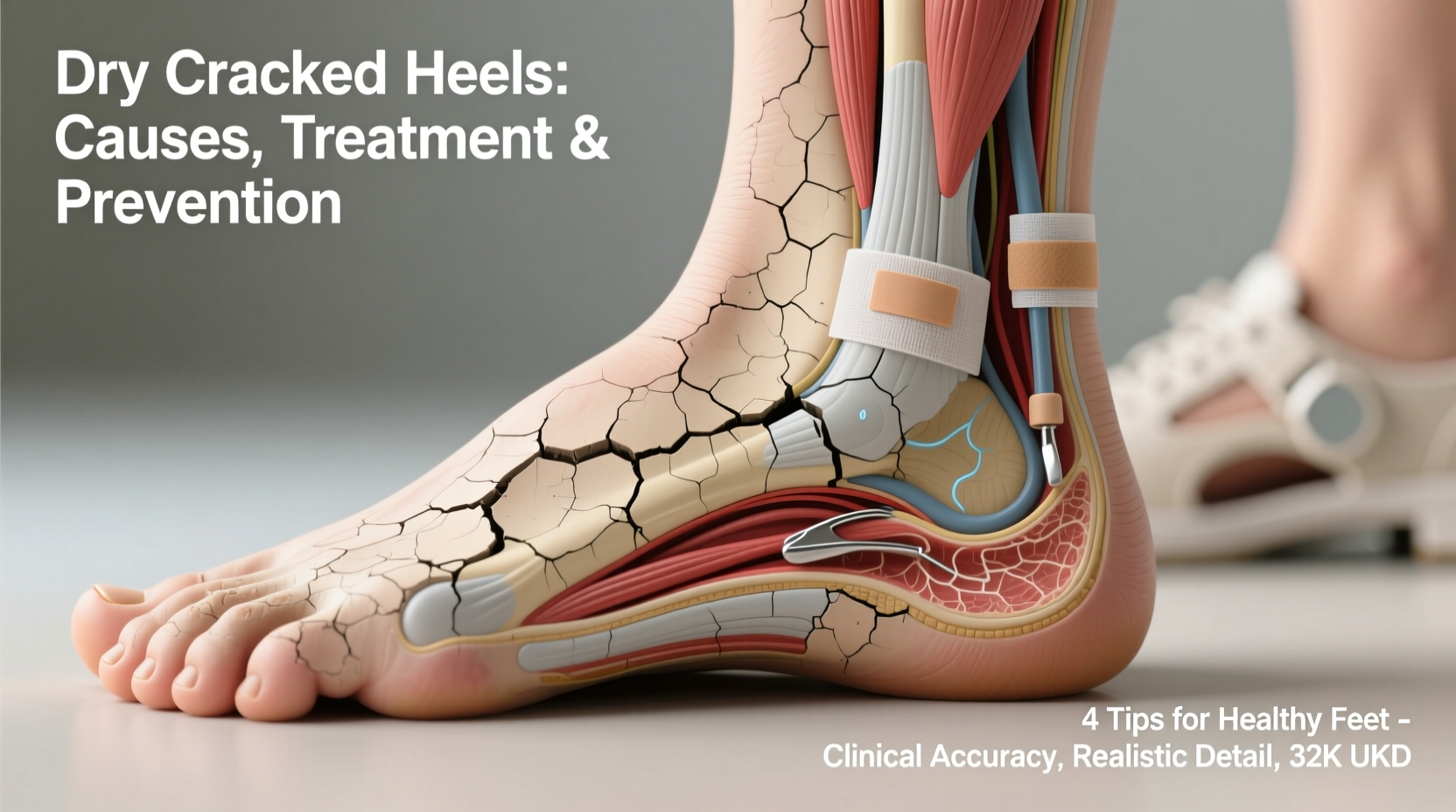
The skin on the heels is uniquely thick and bears the brunt of body weight with every step. When this skin loses moisture or becomes overloaded by pressure, it can crack. Several key factors contribute to this condition:
- Dry skin (xerosis): The most common cause, especially in low-humidity environments or during winter months.
- Excessive pressure: Standing for long periods, being overweight, or wearing unsupportive footwear increases stress on the heel fat pad, causing splits.
- Poor footwear: Open-back shoes or sandals expose heels to air and friction, accelerating drying and callus formation.
- Medical conditions: Diabetes, hypothyroidism, eczema, psoriasis, and fungal infections like athlete’s foot impair skin integrity.
- Nutritional deficiencies: Low levels of omega-3 fatty acids, vitamin E, or zinc reduce skin elasticity and repair capacity.
- Aging: As we age, skin produces less sebum and becomes thinner, making it more prone to cracking.
“Chronic heel fissures aren’t just about dryness—they’re often a sign of biomechanical strain combined with inadequate hydration.” — Dr. Lena Torres, Podiatrist and Foot Health Specialist
Effective Treatments for Cracked Heels
Mild cracks can heal with consistent home care, but deeper fissures require more intensive treatment to prevent infection and promote healing.
Step-by-Step Healing Routine
- Soak daily: Use warm water with Epsom salt or mild soap for 10–15 minutes to soften dead skin.
- Exfoliate gently: After soaking, use a pumice stone or foot file to remove thickened skin. Avoid aggressive scrubbing.
- Apply a keratolytic cream: Products containing urea (10–25%), salicylic acid, or lactic acid help break down calluses and improve moisture retention.
- Seal in moisture: Immediately after exfoliating, apply a heavy emollient like petroleum jelly or shea butter-based creams.
- Occlude overnight: Cover treated feet with cotton socks to enhance absorption and prevent drying while you sleep.
- Repeat consistently: Follow this routine nightly for at least two weeks, then maintain weekly.
Prevention Tips to Keep Heels Smooth
Preventing recurrence is often more effective than treating established cracks. Integrate these habits into your daily routine:
- Moisturize twice daily—morning and night—with a foot-specific cream rich in ceramides, glycerin, or hyaluronic acid.
- Wear closed shoes with good arch support and cushioned soles to reduce heel pressure.
- Avoid walking barefoot on hard surfaces, which accelerates skin thickening.
- Use a humidifier in dry indoor environments, especially during winter.
- Stay hydrated—drinking enough water supports overall skin health.
- Check your feet regularly, especially if you have diabetes or poor circulation.
Do’s and Don’ts of Heel Care
| Do’s | Don’ts |
|---|---|
| Use moisturizers with occlusive agents (e.g., petrolatum) | Ignore bleeding or infected cracks |
| Wear supportive, closed-back footwear | Use sharp tools to cut away dead skin |
| Exfoliate gently 2–3 times per week | Soak feet excessively (more than 15 mins daily) |
| Visit a podiatrist annually for foot checkups | Wear flip-flops or backless shoes daily |
| Stay hydrated and eat healthy fats | Scratch or pick at cracked areas |
Real-Life Example: Maria’s Recovery Journey
Maria, a 48-year-old nurse from Chicago, developed deep heel cracks after working 12-hour shifts on concrete floors. Despite using store-bought foot creams, her condition worsened over six months, leading to pain and occasional bleeding. She finally consulted a podiatrist who diagnosed her with xerosis complicated by mechanical stress.
Her treatment plan included a prescription-strength 25% urea cream, custom orthotics to redistribute pressure, and a strict nightly moisturizing routine with occlusion. Within three weeks, her pain decreased significantly. By week eight, the fissures had closed, and she maintained results by wearing supportive shoes and continuing weekly exfoliation.
Maria’s case highlights how lifestyle demands can amplify simple dryness into a chronic issue—and why professional guidance matters when home remedies fail.
Frequently Asked Questions
Can cracked heels be a sign of diabetes?
Yes. People with diabetes often experience poor circulation and nerve damage (neuropathy), reducing foot sensation and slowing healing. Cracked heels can become entry points for infection, which may escalate quickly. Diabetics should inspect their feet daily and seek medical advice for any persistent skin issues.
Is it safe to use a razor blade to remove dead skin?
No. Using razors or sharp instruments at home increases the risk of cuts, infection, and worsening cracks. Dermatologists and podiatrists use sterile tools in controlled settings. At home, stick to pumice stones or foot files after softening the skin.
How long does it take to heal cracked heels?
Mild cases improve within 1–2 weeks with consistent care. Deep fissures may take 4–8 weeks to fully heal, especially if underlying conditions like eczema or obesity are present. Patience and routine adherence are critical.
Essential Checklist for Healthy Heels
Your 7-Point Heel Care Checklist:- ✅ Moisturize feet morning and night
- ✅ Exfoliate gently 2–3 times weekly
- ✅ Wear supportive, closed-back shoes
- ✅ Use urea-based creams for tough skin
- ✅ Apply petroleum jelly and wear socks overnight
- ✅ Stay hydrated and eat skin-supportive nutrients
- ✅ Schedule annual foot exams, especially if diabetic
Conclusion: Take Action Before Cracks Deepen
Dry, cracked heels don’t have to be an inevitable part of life. With the right knowledge and daily habits, you can restore smoothness and prevent future damage. The key lies in consistency—moisturizing daily, choosing proper footwear, and addressing issues early. If cracks persist despite care, don’t hesitate to seek professional help. Your feet carry you through life; give them the attention they deserve.
💬 Have a tip that worked for your cracked heels? Share your experience below and help others find relief!








