Dog owners often notice their pets blinking excessively or having damp fur around the eyes. While occasional tearing can be normal, persistent or excessive eye discharge may signal an underlying issue. Understanding why a dog’s eyes water, how to treat it, and when to take action can make all the difference in preserving your pet’s comfort and vision.
Common Causes of Watery Eyes in Dogs
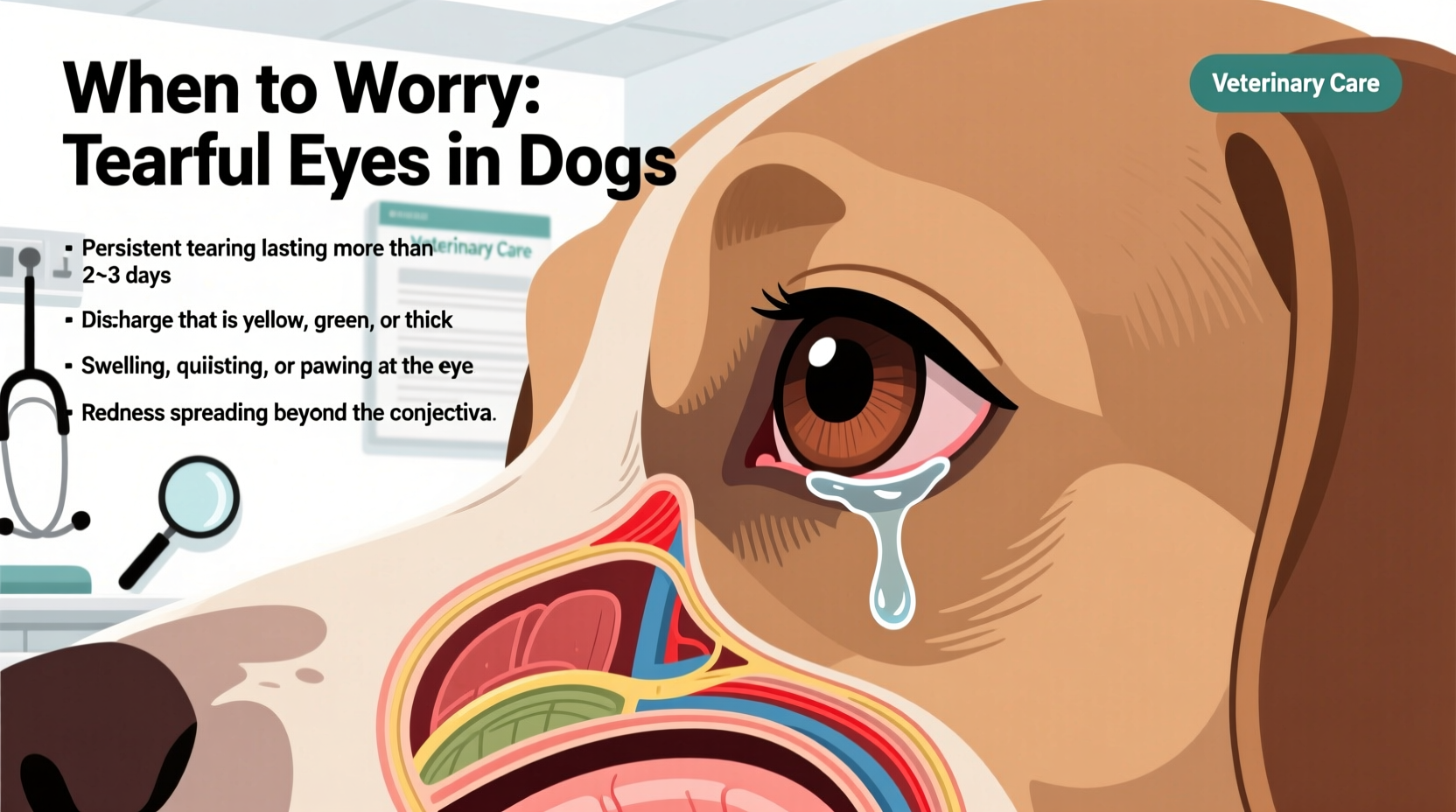
Excessive tearing, medically known as epiphora, occurs when tear production exceeds drainage capacity or when irritation triggers overproduction. Several factors contribute to this condition, ranging from minor irritants to serious medical problems.
- Allergies: Pollen, dust, smoke, or household cleaners can irritate a dog’s eyes, leading to increased tear production.
- Foreign Objects: Grass seeds, dirt, or eyelashes (especially in breeds with inward-turning lids) can cause discomfort and tearing.
- Infections: Bacterial or viral conjunctivitis results in redness, swelling, and watery or mucous-like discharge.
- Anatomical Issues: Brachycephalic breeds like Pugs and Shih Tzus are prone to shallow eye sockets and protruding eyes, increasing exposure and irritation.
- Blocked Tear Ducts: When the nasolacrimal ducts fail to drain tears properly, fluid accumulates and runs down the face.
- Eye Injuries: Scratches, ulcers, or trauma from play or fights can lead to pain and excessive tearing.
- Glaucoma or Uveitis: These serious conditions involve inflammation or elevated pressure within the eye and require immediate attention.
Treatment Options Based on Cause
Treatment depends entirely on identifying the root cause. Self-diagnosis carries risks, but mild cases at home may respond to simple interventions. Always consult a veterinarian before administering medications.
Allergies and Irritants
If environmental allergens are suspected, reduce exposure by wiping paws after walks, using air purifiers, and avoiding smoking near your pet. Over-the-counter saline rinses (preservative-free) can flush out irritants. Avoid medicated eye drops unless prescribed.
Conjunctivitis
Bacterial forms typically require antibiotic ointments such as tetracycline or erythromycin. Viral conjunctivitis resolves with supportive care, including warm compresses and keeping the area clean.
Blocked Tear Ducts
Veterinarians may flush the duct under sedation. Chronic blockages sometimes need surgical correction, especially if recurring infections develop.
Corneal Ulcers or Injuries
These demand urgent care. Treatment includes topical antibiotics, pain relief, and possibly an Elizabethan collar to prevent rubbing. Healing usually takes 5–7 days with proper treatment.
“Persistent tearing without obvious cause should never be ignored. It could indicate early glaucoma or a hidden ulcer.” — Dr. Lena Reyes, Veterinary Ophthalmologist
When to Worry: Red Flags Requiring Immediate Attention
Not all watery eyes are emergencies, but certain symptoms warrant prompt veterinary evaluation. Delaying care can result in permanent damage or vision loss.
| Symptom | Interpretation | Action Required |
|---|---|---|
| Yellow or green discharge | Likely bacterial infection | See vet within 24 hours |
| Squinting or light sensitivity | Painful condition like ulcer or uveitis | Seek emergency care |
| Cloudy or blue-tinged cornea | Possible glaucoma or cataracts | Immediate assessment needed |
| Swollen eyelids or bulging eye | Orbital abscess or trauma | Go to emergency clinic |
| Frequent pawing at eye | Irritation or foreign body | Inspect gently; see vet if unresolved |
Step-by-Step Guide: What to Do at Home (Safely)
Before rushing to the vet, assess the situation calmly. Follow these steps to determine urgency and provide temporary relief:
- Observe Both Eyes: Is one or both affected? Unilateral issues suggest injury or blockage; bilateral may point to allergies or systemic illness.
- Check for Discharge Type: Clear = likely irritation or allergy. Thick yellow/green = infection.
- Inspect for Foreign Bodies: Gently pull back the eyelids under good lighting. Do not attempt removal if embedded.
- Clean the Area: Use a cotton ball moistened with sterile saline to wipe from inner to outer corner. Use a fresh ball each time.
- Apply Warm Compress (if no injury): A clean cloth soaked in warm water applied for 3–5 minutes twice daily can soothe mild inflammation.
- Prevent Rubbing: Use a cone or soft collar if your dog scratches or rubs the eye.
- Monitor for 24 Hours: If tearing persists or worsens, contact your vet.
Mini Case Study: Bella the Beagle
Bella, a 4-year-old Beagle, began waking up with damp stains beneath her left eye. Her owner initially dismissed it as “just tears,” but after two weeks, the fur turned reddish-brown and developed an odor. A vet visit revealed a partially obstructed tear duct and secondary yeast infection in the skin. After a duct flush and antifungal wipes, Bella improved within ten days. The key lesson: chronic moisture creates breeding grounds for bacteria and fungi, making timely intervention essential.
Prevention Tips and Long-Term Care
Some causes of watery eyes can’t be avoided, but proactive care reduces risk and severity.
Tip: Trim hair around the eyes regularly, especially in long-haired breeds like Maltese or Yorkshire Terriers, to prevent irritation.- Wipe eyes daily with a soft, damp cloth to remove debris.
- Keep facial folds clean in breeds like Bulldogs and Pekingese.
- Avoid exposing dogs to cigarette smoke or strong chemical fumes.
- Schedule annual eye exams for senior dogs or those with breed-related vulnerabilities.
Frequently Asked Questions
Is it normal for puppies to have watery eyes?
Mild tearing can occur during teething due to shared nerve pathways between teeth and eyes. However, persistent or discolored discharge isn't normal and should be evaluated.
Can I use human eye drops on my dog?
No. Many human formulations contain preservatives or vasoconstrictors that can harm canine eyes. Only use products specifically labeled for dogs and approved by your vet.
Why does my dog have brown tear stains?
Tear staining is caused by porphyrins—iron-containing molecules in tears. Excess moisture promotes bacterial and yeast growth, darkening the fur. While mostly cosmetic, it can indicate chronic epiphora needing investigation.
Final Thoughts and Call to Action
Your dog’s eyes are windows to their well-being. Occasional watering may resolve on its own, but consistent discharge, discomfort, or changes in appearance should never be ignored. With the right knowledge, you can distinguish between a passing irritation and a serious condition. Early veterinary consultation protects not just vision, but overall quality of life.
💬 Has your dog experienced eye issues? Share your story or questions below—your experience might help another pet owner recognize warning signs sooner.








