
For pet owners who walk their dogs regularly, choosing the right gear matters—not just for comfort, but for safety. With rising temperatures and increased awareness of canine heat stress, cooling vests have gained popularity. But do they live up to the hype? Or is a standard dog walking vest still sufficient for most dogs? The answer depends on climate, breed, activity level, and individual health. This guide breaks down the real differences, benefits, and limitations of each type so you can make an informed decision.
Understanding the Basics: What Each Vest Does
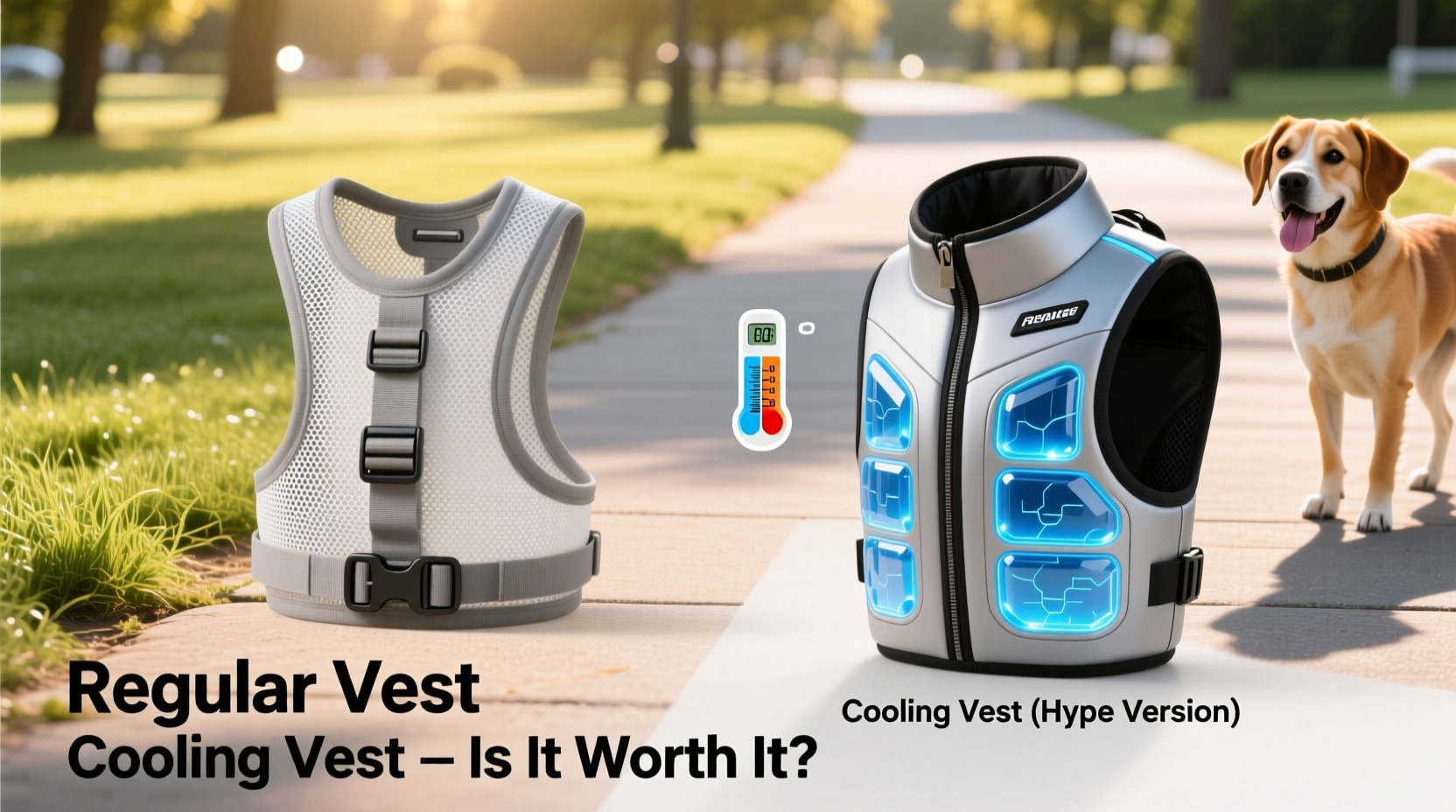
A dog walking vest and a cooling vest serve fundamentally different purposes, even though they may look similar at first glance.
Dog walking vests are primarily designed for control, visibility, and convenience. They often feature:
- Durable materials like nylon or mesh for breathability
- Attachment points for leashes (typically over-the-head or step-in designs)
- Pockets for carrying treats, waste bags, or phones
- Reflective stitching for low-light visibility
- Adjustable straps for a secure fit
These vests focus on ergonomics and utility during walks. They don’t regulate temperature—just support safe and comfortable handling.
Cooling vests, on the other hand, are engineered to reduce a dog’s body temperature. Most work through evaporative cooling: you soak the vest in water, wring it out, and put it on your dog. As the water evaporates, it draws heat away from the body, creating a cooling effect. These vests are typically made from specialized fabrics that retain water without becoming heavy or restrictive.
Tip: Cooling vests are not instant air conditioners—they work best in dry climates where evaporation happens quickly. In humid areas, their effectiveness drops significantly.When a Cooling Vest Makes a Real Difference
Not every dog needs a cooling vest, but for some, it can be a game-changer. Consider these scenarios where a cooling vest adds measurable value:
- Breeds prone to overheating: Brachycephalic dogs like Bulldogs, Pugs, and Shih Tzus struggle to cool themselves due to shortened airways. Even moderate exercise in warm weather can lead to heat exhaustion.
- Dense-coated breeds: Huskies, Malamutes, and Newfoundlands retain heat easily. While they’re built for cold, summer walks require extra precautions.
- Active working dogs: Herding, search-and-rescue, or agility dogs exert high energy in hot conditions. A cooling vest can extend safe activity time by several minutes.
- Senior dogs or those with health issues: Dogs with heart disease, obesity, or respiratory conditions are more vulnerable to heat stress.
“Overheating in dogs isn’t just uncomfortable—it’s dangerous. Temperatures above 103°F can escalate to life-threatening levels fast. Cooling vests aren’t a luxury; they’re a preventive tool.” — Dr. Lena Patel, DVM, Canine Sports Medicine Specialist
Comparing Performance: Key Differences at a Glance
| Feature | Dog Walking Vest | Cooling Vest |
|---|---|---|
| Primary Purpose | Control, storage, visibility | Body temperature regulation |
| Material | Nylon, polyester, mesh | Water-absorbent polymer gel or fabric |
| Activation Required? | No | Yes (soak in water) |
| Cooling Duration | N/A | 1–3 hours, depending on conditions |
| Best For | Daily walks, urban environments, training | Hot weather, intense activity, sensitive breeds |
| Lifespan | 2+ years with care | 1–2 years (gel inserts degrade) |
| Price Range | $20–$50 | $35–$70 |
Real-World Example: A Summer Walk in Phoenix
Consider Max, a 5-year-old Golden Retriever living in Phoenix, Arizona. His owner, Sarah, walks him daily at 6:30 AM—even then, pavement temperatures reach 95°F by sunrise. One July morning, she tried a cooling vest after reading about heat risks.
She soaked the vest for 10 minutes, wrung it out, and put it on Max. During the 30-minute walk, she monitored his breathing and used a laser thermometer to check his ear temperature every 10 minutes. Without the vest, Max’s temperature rose from 101.5°F to 103.8°F. On a comparable day with the cooling vest, his peak was 102.6°F—still elevated, but below the danger threshold.
The difference? Max panted less, stopped fewer times, and showed no signs of distress. Sarah concluded that while the vest didn’t eliminate heat risk, it provided a meaningful buffer during unavoidable outdoor time.
Tip: Always pair a cooling vest with access to shade and fresh water. Never rely on it as the sole method of heat prevention.Can You Stick With a Regular Dog Walking Vest?
In many cases, yes. If your dog is healthy, moderately active, and walks during cooler parts of the day (early morning or evening), a standard walking vest is perfectly adequate. Many owners successfully avoid overheating by adjusting routine rather than upgrading gear.
However, if you live in a region with prolonged high humidity or extreme heat, or if your dog shows signs of fatigue, excessive panting, or reluctance to walk in warm weather, relying solely on a regular vest may be risky.
It’s also worth noting that some modern vests combine features—offering pockets, reflective strips, AND cooling technology. These hybrid models might offer the best of both worlds, especially for owners who want versatility across seasons.
Step-by-Step: How to Decide Which Vest Is Right for Your Dog
- Evaluate your dog’s breed and health: Is your dog brachycephalic, overweight, or senior? These factors increase heat sensitivity.
- Assess your local climate: Do you experience frequent days above 85°F? High humidity reduces natural cooling.
- Review your walking schedule: Are you limited to midday walks? Morning/evening walks reduce heat exposure.
- Test tolerance: Monitor your dog’s behavior in heat. Signs of distress include drooling, stumbling, or bright red gums.
- Try before you buy: Rent or borrow a cooling vest for a trial period before investing.
Frequently Asked Questions
Do cooling vests really lower a dog’s body temperature?
Yes, but only slightly—typically by 1° to 3°F. Their main benefit is slowing the rate of temperature rise during activity. They are not a substitute for shade, hydration, or avoiding peak heat.
Can I use a human cooling towel on my dog instead?
Sometimes—but not reliably. Human towels aren’t shaped for canine bodies and may slip off. More importantly, some contain chemicals unsafe for pets. Always choose pet-specific products.
How long does a cooling vest last?
Most last 1–2 years with regular use. Gel-based inserts can crack or leak over time. Fabric-only models tend to last longer but may lose absorbency.
Final Checklist: Choosing the Right Vest
- ✅ Measure your dog accurately (neck, chest, length) before purchasing
- ✅ Prioritize adjustable straps for a snug, non-restrictive fit
- ✅ Check for safety features like strong leash attachments and reflective elements
- ✅ For cooling vests: confirm ease of activation (soaking time, wringing)
- ✅ Read reviews focused on durability and actual cooling performance
- ✅ Avoid vests that cover large portions of the belly—this blocks natural heat dissipation
Conclusion: Make the Choice That Fits Your Life and Your Dog
The hype around cooling vests isn’t entirely justified for every dog owner—but it’s not baseless either. For many, a well-designed walking vest is more than enough, especially when paired with smart habits like early-morning walks and hydration breaks. But for dogs at higher risk of heat stress, a cooling vest can be a practical, even lifesaving addition to their gear.
Rather than chasing trends, assess your dog’s individual needs, your environment, and your routine. The best choice isn’t always the most advanced—it’s the one that keeps your dog safe, comfortable, and happy on every walk.
💬 Have experience with cooling vests? Share your story or tips in the comments—your insight could help another dog owner make a safer choice this summer.








