Dressing up pets has evolved from novelty to mainstream, with fashion-conscious owners investing in seasonal wardrobes for their furry companions. Yet, not all pets respond the same way to clothing—what works beautifully for a dog may be entirely unsuitable for a cat. Understanding the fundamental differences between canine and feline physiology, behavior, and comfort needs is essential when selecting apparel. The goal isn’t just aesthetic appeal; it’s ensuring that every piece supports your pet’s well-being without compromising mobility, temperature regulation, or emotional state.
Anatomical & Behavioral Differences: Why Dog and Cat Apparel Aren't Interchangeable
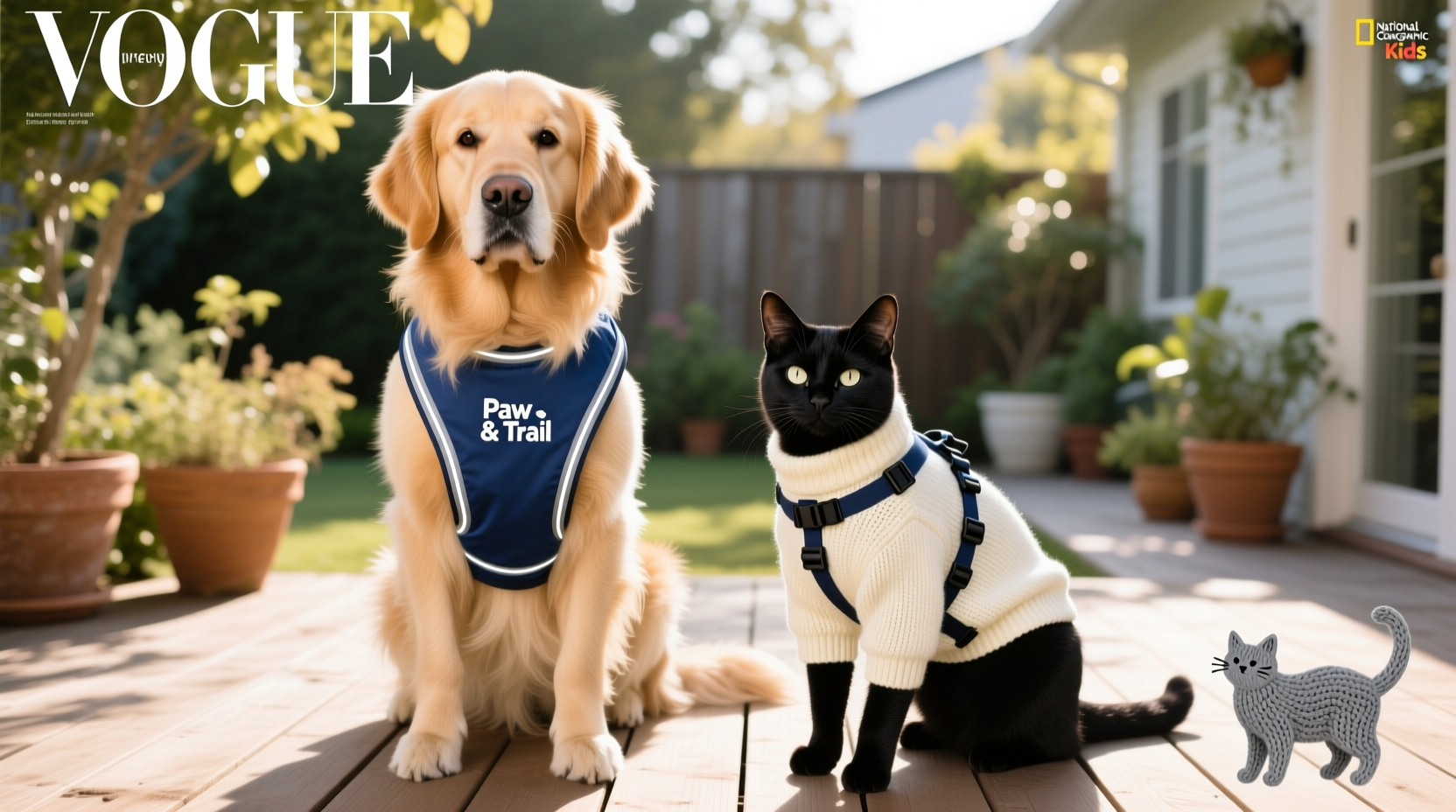
Dogs and cats share our homes, but their bodies and instincts differ significantly. Dogs are generally more tolerant of clothing due to their domestication history and social acceptance of human touch. Many breeds were historically bred for tasks requiring gear—such as sledding, herding, or hunting—which makes them more adaptable to wearing vests, coats, or harnesses.
Cats, on the other hand, are fastidious self-groomers with sensitive skin and a strong aversion to restraint. Their flexible spines, retractable claws, and grooming habits make most traditional pet clothing impractical. A sweater that fits a dog snugly might restrict a cat’s ability to stretch, groom, or escape perceived threats. Moreover, cats regulate body temperature differently and can overheat quickly if overdressed.
“Cats are obligate groomers—they need unrestricted access to their fur. Any clothing must allow full range of motion and easy removal.” — Dr. Lena Torres, Feline Behavior Specialist
Key Considerations When Choosing Pet Apparel
Selecting the right outfit involves balancing function, fit, material, and purpose. Whether you're dressing your pet for warmth, protection, or fun, keep these core principles in mind:
- Fit and Mobility: Clothing should allow natural movement without chafing or constriction.
- Material Safety: Opt for breathable, hypoallergenic fabrics like cotton, bamboo, or soft fleece.
- Climate Appropriateness: Lightweight layers for mild weather; insulated options only for cold climates or short outdoor exposure.
- Fastening Mechanism: Avoid zippers or stiff buttons. Velcro, snaps, or stretch-fit designs are safer and easier to manage.
- Escape Risk: Especially for cats, ensure garments can be easily removed if the pet becomes stressed.
Dog vs Cat Apparel: A Practical Comparison
| Feature | Dog Apparel | Cat Apparel |
|---|---|---|
| Common Types | Raincoats, sweaters, hoodies, booties, costumes | Lightweight jumpers, festive collars, seasonal bandanas |
| Fit Tolerance | Generally high; many breeds accept full coverage | Low; most cats prefer minimal coverage |
| Grooming Impact | Minimal; dogs don’t rely on constant grooming | High; clothing can interfere with licking and cleaning |
| Temperature Sensitivity | Breed-dependent (e.g., Chihuahuas vs. Huskies) | High; cats overheat easily even in mild layers |
| Best Use Case | Outdoor protection, medical recovery, fashion events | Short-term photo sessions, mild weather layering |
Step-by-Step Guide to Introducing Apparel Safely
Even the best-designed outfit can backfire if introduced improperly. Follow this timeline to ensure a positive experience:
- Day 1: Let your pet sniff and explore the garment. Place it near their bed or feeding area to build familiarity.
- Day 2–3: Drape the clothing loosely over their back for 30 seconds. Reward with treats and praise. Do not fasten.
- Day 4–5: Fasten gently and allow wear for 1–2 minutes. Monitor closely for signs of stress.
- Day 6–7: Gradually increase duration to 10–15 minutes, only during calm moments at home.
- After Week 1: If no resistance, use outdoors or in controlled settings. Never force continued wear if discomfort is evident.
“Introduce clothing like you would a new food—slowly, positively, and with full attention to your pet’s cues.” — Sarah Kim, Certified Pet Trainer
Real-Life Scenario: Max the Rescue Dog vs. Luna the Indoor Cat
Max, a two-year-old mixed breed rescued from a cold climate shelter, struggles with anxiety and low body fat. His owner uses a moisture-wicking thermal vest during winter walks. The vest covers his chest and abdomen, features a leash hole, and is made of lightweight neoprene. Max associates the vest with going outside and receives treats upon wearing it. He shows no signs of distress and maintains normal gait and breathing.
Luna, a seven-year-old Persian, was gifted a knitted sweater for a holiday photoshoot. Her owner followed the step-by-step introduction but noticed Luna excessively licked her sides and avoided jumping onto her favorite perch. After 10 minutes, Luna managed to slip out of the sweater. The owner switched to a soft, stretchy bandana for future events—lightweight, easy to remove, and non-restrictive. Luna now tolerates brief photo sessions without stress.
This contrast illustrates that success isn’t measured by how stylish the outfit is, but by how seamlessly it integrates into the pet’s natural behavior.
Checklist: Is This Outfit Right for My Pet?
Before purchasing or putting on any apparel, run through this checklist:
- ✅ Does it allow full leg movement and sitting/lying down comfortably?
- ✅ Can my pet groom themselves without obstruction?
- ✅ Is the fabric non-irritating and free of loose threads?
- ✅ Are there no small parts they could chew or swallow?
- ✅ Can I easily remove it if needed?
- ✅ Has my pet shown interest or tolerance during trial runs?
- ✅ Is it necessary? (e.g., medical need, extreme weather, not just for aesthetics)
Frequently Asked Questions
Can cats wear dog clothes if they’re the same size?
No. Even if the measurements appear similar, the cut and fit are designed for different body shapes. Dog clothes often cover the back and hips more fully, which can restrict a cat’s spine flexibility and cause anxiety. Cat-specific designs are shorter, lighter, and allow greater freedom of movement.
How do I know if my pet is too hot in their outfit?
Signs of overheating include excessive panting, lethargy, drooling, or seeking cool surfaces. Remove the clothing immediately and offer water. Never leave a dressed pet unattended in warm environments, especially indoors near heaters.
Are there health benefits to pet clothing?
Yes, but only in specific cases. Hairless breeds (like Sphynx cats or Xoloitzcuintlis) benefit from clothing for warmth. Post-surgery recovery suits prevent licking of wounds. Allergen-blocking garments can reduce environmental irritation. However, healthy, fully furred pets rarely need daily clothing.
Final Thoughts: Style Should Never Override Comfort
Pet fashion can be joyful, expressive, and even functional—but only when rooted in respect for the animal’s needs. Dogs may embrace a broader wardrobe thanks to their social nature and physical adaptability, but even they require thoughtful selection. Cats demand an even higher standard of care; their clothing should be minimal, temporary, and stress-free.
The perfect outfit isn’t the one that wins Instagram likes—it’s the one your pet forgets they’re wearing. Prioritize breathability, ease of movement, and behavioral harmony. When in doubt, let comfort lead the way.
💬 Have a story about your pet’s best (or worst) outfit experience? Share it with fellow pet lovers in the comments below—your insight could help someone avoid a fashion faux pas that compromises comfort.








