Pet fashion has exploded in popularity, with tutu dresses for dogs and tailored dresses for cats lining online storefronts and appearing in social media feeds. While these outfits are undeniably cute, a growing number of pet owners are asking: do our animals actually enjoy wearing them? More specifically, is there a meaningful difference between how dogs and cats experience clothing—particularly tutu dresses versus cat-specific designs? The answer isn't just about aesthetics; it's rooted in anatomy, temperament, and species-specific behavior.
Understanding whether your dog or cat \"prefers\" one type of dress over another requires more than guessing based on cuteness. It demands attention to fit, mobility, sensory sensitivity, and behavioral cues. This article breaks down the functional and psychological differences between dog tutu dresses and cat dresses, helping you make compassionate, informed decisions about dressing your pet.
Anatomy & Fit: Why Design Matters
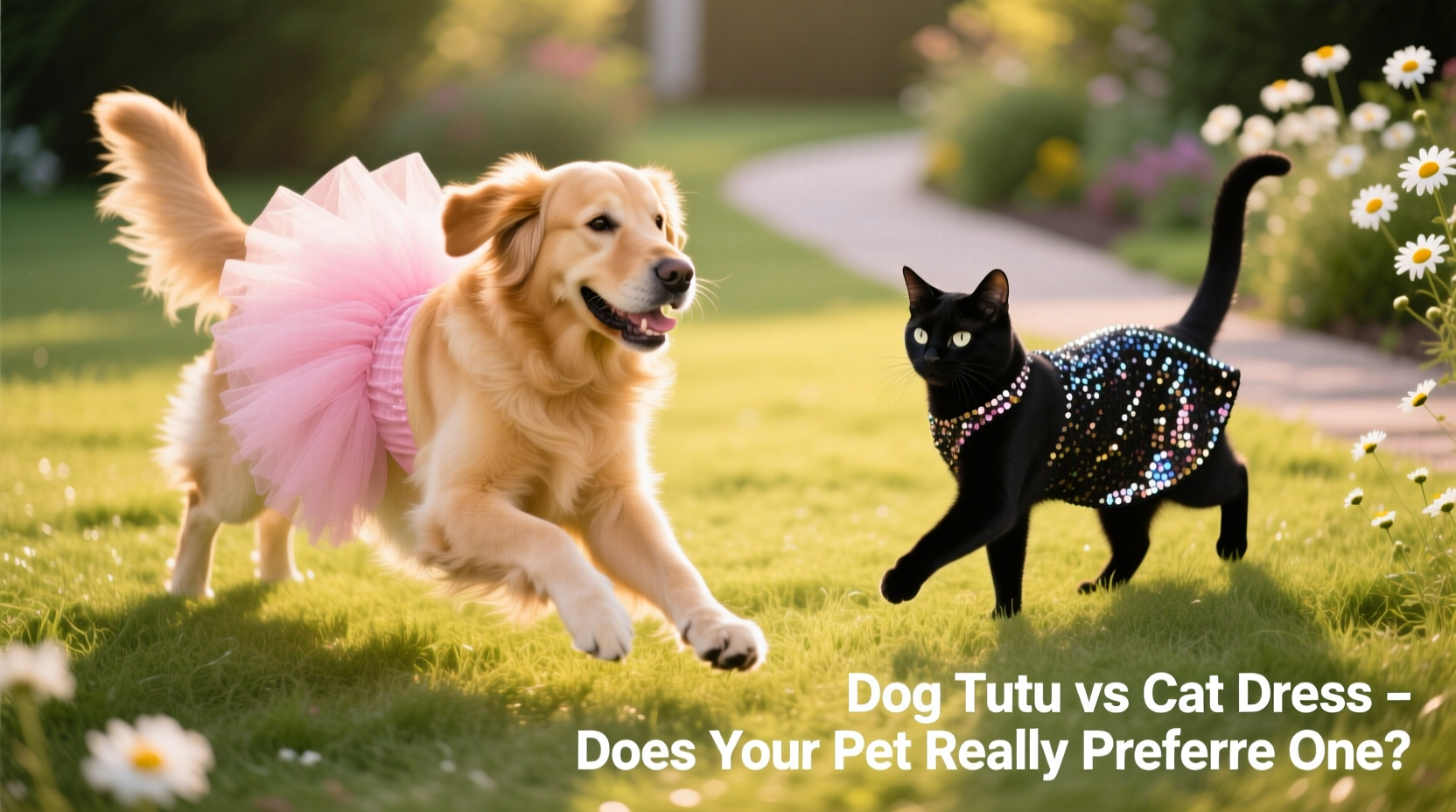
Dogs and cats have fundamentally different body structures, which directly affects how clothing fits and feels. Dog tutu dresses are typically designed with broader shoulders, longer torsos, and higher necklines—features that align with canine proportions. These dresses often feature elastic waistbands and stretchy materials to accommodate movement during play or walks.
In contrast, cat dresses are usually shorter, narrower around the chest, and emphasize freedom of movement in the shoulder and front leg area. Cats rely heavily on agility and balance, so any garment that restricts motion can cause stress. Many cat-specific dresses use lightweight fabrics like chiffon or cotton blends and avoid tight seams near the armpits.
A poorly fitted tutu dress on a cat may ride up, constrict limbs, or interfere with grooming behaviors. Conversely, a cat-sized dress on most dogs would be comically small and impractical. The key isn’t preference in style—it’s comfort in fit.
Tip: Always measure your pet’s neck, chest, and length from base of neck to tail before purchasing any outfit.Behavioral Reactions: What Your Pet Is Telling You
Animals communicate through body language, and their response to clothing is no exception. Dogs tend to be more tolerant of garments, especially if introduced gradually and paired with positive reinforcement. A dog in a tutu dress might prance, wag its tail, or show curiosity—signs of acceptance, though not necessarily enjoyment.
Cats, however, are more sensitive to tactile stimuli. Many resist clothing altogether due to instinctual wariness of anything restricting their movement. A cat in a dress may freeze, attempt to remove it with its paws, lick excessively, or hide. These are clear indicators of discomfort, regardless of the design.
Dr. Lena Patel, a veterinary behaviorist at the Urban Animal Wellness Clinic, explains:
“Cats evolved as solitary hunters who rely on precise control over their bodies. Anything that alters their physical autonomy—even something as light as a tutu—can trigger anxiety. Dogs, being pack animals with a history of working alongside humans, are generally more adaptable to human-imposed accessories.” — Dr. Lena Patel, DVM, Behavioral Specialist
Comparing Key Features: Tutu Dress vs Cat Dress
| Feature | Dog Tutu Dress | Cat Dress |
|---|---|---|
| Material Weight | Medium to heavy (tulle layers) | Lightweight (chiffon, cotton) |
| Fit Around Chest | Broad, stretchy | Narrow, snug but flexible |
| Mobility Impact | Minimal in small/medium dogs | High risk of restriction |
| Typical Use Case | Birthday parties, photo shoots, parades | Special occasions, holiday photos |
| Average Wear Time | 30–60 minutes | 5–15 minutes (if tolerated) |
The data suggests that while both species can wear decorative clothing, dogs generally tolerate extended wear better—especially when the garment is designed for their build. Cats may endure short stints for treats or photos, but prolonged wear increases stress levels.
Real-World Example: Bella the Poodle vs Oliver the Siamese
Bella, a 3-year-old toy poodle, has worn tutu dresses since she was a puppy. Her owner, Sarah, introduced clothing slowly—starting with soft scarves and rewarding calm behavior. Now, Bella associates her pink tulle dress with outings to dog-friendly cafes and birthday celebrations. She doesn’t actively seek out the dress, but she doesn’t resist it either, often sitting still during dressing and even posing for photos.
Oliver, a 4-year-old Siamese cat, had a different experience. His owner, Mark, bought a delicate floral cat dress for a holiday photoshoot. The moment it was placed over his head, Oliver flattened his ears, darted under the bed, and spent the next hour grooming frantically. Even after removing the dress, he remained agitated for hours. A follow-up consultation with a feline behaviorist confirmed that the experience triggered a mild stress response, likely due to the unfamiliar texture and restricted shoulder movement.
This contrast illustrates a critical point: individual temperament matters, but so does species-typical behavior. While some cats may adapt to clothing, they are the exception, not the rule.
How to Introduce Clothing Safely: A Step-by-Step Guide
If you're considering dressing your pet, follow this gradual process to minimize stress and observe reactions objectively.
- Start with fabric exposure: Place a soft piece of clothing near your pet during playtime. Let them sniff and investigate without pressure.
- Short touch trials: Gently drape the garment over their back for 10–15 seconds. Watch for signs of tension (flattened ears, tail flicking, attempts to escape).
- Fasten briefly: If no negative reaction, secure the dress loosely and offer a high-value treat. Remove after 10 seconds.
- Gradually increase duration: Extend wear time by 10-second increments only if your pet remains relaxed.
- Monitor post-removal behavior: After removing the garment, observe for excessive grooming, hiding, or vocalization—indicators of residual stress.
Never force a pet to wear clothing. If resistance occurs at any stage, discontinue use.
Pet Fashion Checklist: Before You Buy
- ✅ Measure your pet accurately (neck, chest, back length)
- ✅ Choose breathable, non-irritating fabrics
- ✅ Ensure full range of motion (can they sit, stretch, groom?)
- ✅ Avoid glued embellishments (choking hazard)
- ✅ Limit wear time to special occasions only
- ✅ Watch for signs of distress (panting, freezing, licking)
- ✅ Have a plan to remove quickly if needed
Frequently Asked Questions
Can cats ever enjoy wearing dresses?
Most cats do not enjoy wearing dresses. While rare individuals may tolerate them—especially if introduced early and positively reinforced—clothing goes against natural feline instincts. Enjoyment is unlikely; tolerance is the best outcome.
Are tutu dresses safe for dogs?
Tutu dresses are generally safe for short-term use if properly fitted. Avoid outfits with loose strings, beads, or tight bands. Supervise your dog at all times while dressed, and never leave them unattended in clothing.
Do pets feel colder or hotter in dresses?
Yes. Fabrics can interfere with thermoregulation. Thick tutus may cause overheating in warm environments, while thin dresses offer no insulation in cold weather. Never rely on clothing as a substitute for proper climate control.
Final Thoughts: Prioritizing Comfort Over Cuteness
The debate between dog tutu dresses and cat dresses isn’t really about which garment is superior—it’s about recognizing that pets don’t share our aesthetic motivations. What we find adorable may be uncomfortable, confusing, or stressful for them.
Dogs, with their co-evolutionary history and social flexibility, are more likely to accept clothing when introduced gently. Cats, with their independent nature and acute sensory awareness, rarely benefit from such accessories. The real preference lies not in fabric or style, but in freedom of movement and bodily autonomy.
If you choose to dress your pet, do so sparingly, thoughtfully, and always with their well-being in mind. Observe closely, respect boundaries, and remember: the best accessory your pet can wear is confidence—and that comes from feeling safe, not sequined.
💬 Have a story about your pet and their experience with clothing? Share your insights below and help fellow pet owners make kinder, smarter choices.








